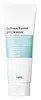
This mild gel cleanser is made to cleanse while respecting your skin barrier.
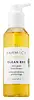
This mild gel cleanser is made to cleanse while calming and soothing your skin.


What's inside
What's inside
 Key Ingredients
Benefits
Concerns
Ingredients Side-by-side
Water
Skin ConditioningCoco-Betaine
Cleansing
Sodium Lauroyl Methyl Isethionate
CleansingArginine
Masking

Sodium Chloride
MaskingBetaine
Humectant

Acrylates/C10-30 Alkyl Acrylate Crosspolymer
Emulsion StabilisingHydroxyacetophenone
Antioxidant
Sodium Methyl Isethionate
EmulsifyingLauric Acid
Cleansing




Centella Asiatica Extract
Cleansing


Sodium Laurate
CleansingMelaleuca Alternifolia Leaf Oil
Antioxidant





Ethylhexylglycerin
Skin ConditioningAllantoin
Skin Conditioning
Disodium EDTA
Chelating1,2-Hexanediol
Skin Conditioning
Water, Coco-Betaine, Sodium Lauroyl Methyl Isethionate, Arginine, Sodium Chloride, Betaine, Acrylates/C10-30 Alkyl Acrylate Crosspolymer, Hydroxyacetophenone, Sodium Methyl Isethionate, Lauric Acid, Centella Asiatica Extract, Sodium Laurate, Melaleuca Alternifolia Leaf Oil, Ethylhexylglycerin, Allantoin, Disodium EDTA, 1,2-Hexanediol
Water
Skin ConditioningSodium Lauroyl Methyl Isethionate
CleansingCocamidopropyl Hydroxysultaine
Cleansing
Chamomilla Recutita Flower Water
MaskingDecyl Glucoside
Cleansing
Maltooligosyl Glucoside
Skin ConditioningLauryl Glucoside
CleansingGlycerin
Humectant
Hydrogenated Starch Hydrolysate
HumectantEchinacea Purpurea Root Extract
MoisturisingHoney Extract
Humectant
Propolis Extract
Skin Conditioning
Royal Jelly Extract
Skin Conditioning
Hydrolyzed Sodium Hyaluronate
Skin Conditioning
Calendula Officinalis Flower Extract
Masking
Glycyrrhiza Glabra Root Extract
Bleaching

Aloe Barbadensis Leaf Juice
Skin Conditioning
Melia Azadirachta Leaf Extract
Skin ConditioningLavandula Angustifolia Oil
Masking
Lavandula Hybrida Oil
Emollient
Curcumin
Antioxidant
Curcuma Longa Root Extract
Antioxidant
Betaine
Humectant
Sodium PCA
Humectant
Disodium Cocoyl Glutamate
Cleansing
Sodium Cocoyl Glutamate
Cleansing
Citric Acid
Buffering
Sodium Benzoate
Masking
Abies Sibirica Oil
Masking
Cymbopogon Martini Oil
Masking
Pelargonium Graveolens Oil
Masking
Pogostemon Cablin Leaf Oil
Masking
Caramel
Cosmetic ColorantAnthemis Nobilis Flower Oil
Masking
Ocimum Basilicum Flower/Leaf Extract
TonicOcimum Sanctum Leaf Extract
Skin ConditioningMelia Azadirachta Flower Extract
Skin ConditioningCorallina Officinalis Extract
Skin Conditioning
Aroma

Potassium Sorbate
Preservative
Maltodextrin
Absorbent
Trisodium Ethylenediamine Disuccinate
ChelatingSodium Chloride
MaskingSodium Phytate
ChelatingPropanediol
Solvent
Linalool
Perfuming
Water, Sodium Lauroyl Methyl Isethionate, Cocamidopropyl Hydroxysultaine, Chamomilla Recutita Flower Water, Decyl Glucoside, Maltooligosyl Glucoside, Lauryl Glucoside, Glycerin, Hydrogenated Starch Hydrolysate, Echinacea Purpurea Root Extract, Honey Extract, Propolis Extract, Royal Jelly Extract, Hydrolyzed Sodium Hyaluronate, Calendula Officinalis Flower Extract, Glycyrrhiza Glabra Root Extract, Aloe Barbadensis Leaf Juice, Melia Azadirachta Leaf Extract, Lavandula Angustifolia Oil, Lavandula Hybrida Oil, Curcumin, Curcuma Longa Root Extract, Betaine, Sodium PCA, Disodium Cocoyl Glutamate, Sodium Cocoyl Glutamate, Citric Acid, Sodium Benzoate, Abies Sibirica Oil, Cymbopogon Martini Oil, Pelargonium Graveolens Oil, Pogostemon Cablin Leaf Oil, Caramel, Anthemis Nobilis Flower Oil, Ocimum Basilicum Flower/Leaf Extract, Ocimum Sanctum Leaf Extract, Melia Azadirachta Flower Extract, Corallina Officinalis Extract, Aroma, Potassium Sorbate, Maltodextrin, Trisodium Ethylenediamine Disuccinate, Sodium Chloride, Sodium Phytate, Propanediol, Linalool
Reviews
Ingredients Explained
These ingredients are found in both products.
Ingredients higher up in an ingredient list are typically present in a larger amount.
Betaine is a humectant. Like hyaluronic acid, it helps attract and retain moisture in the skin. It’s known for being gentle and for helping the skin maintain balanced hydration.
Betaine is mainly used to improve hydration and support calmer skin. It helps skin cells regulate water balance because it functions as an osmolyte.
Some studies suggest betaine may support making skin tone more even.
Fun fact: Betaine naturally exists in the skin and the body. In cosmetic products, it can be either plant-derived (most commonly from sugar beets) or synthetically produced for consistency and stability.
Betaine is also known as trimethylglycine.
Learn more about BetaineChances are, you eat sodium chloride every day. Sodium Chloride is also known as table salt. This ingredient has many purposes in skincare: thickener, emulsifier, and exfoliator.
You'll most likely find this ingredient in cleansers where it is used to create a gel-like texture. As an emulsifier, it also prevents ingredients from separating.
You might see people debate whether Sodium Chloride is comedogenic, but there actually haven't been any comedogenic tests done on it. Either way, the overall formulation of a product matters a lot more than any single ingredient.
You might see this ingredient used in scrubs as a primary exfoliating ingredient.
Learn more about Sodium ChlorideSodium Lauroyl Methyl Isethionate is a gentle, sulfate-free cleansing agent. It's basically a mild "soap" molecule derived from coconut that makes a soft, cream foam and is very soluble in water.
Typical concentration use ranges from ~0.6-10% in rinse off products and only trace amounts (~0.009%) in leave on products.
The Cosmetic Ingredient Review Expert Panel has assessed it and concluded it to be safe as used at these concentrations when formulated to be non-irritating.
Allergy and sensitization risk is low and often when someone reacts to a cleanser it's due to the fragrance or preservatives rather than this ingredient itself.
Learn more about Sodium Lauroyl Methyl IsethionateWater. It's the most common cosmetic ingredient of all. You'll usually see it at the top of ingredient lists, meaning that it makes up the largest part of the product.
So why is it so popular? Water most often acts as a solvent - this means that it helps dissolve other ingredients into the formulation.
You'll also recognize water as that liquid we all need to stay alive. If you see this, drink a glass of water. Remember to stay hydrated!
Learn more about Water

