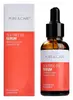
This acne serum is formulated around Melaleuca Alternifolia Leaf Oil and Salix Alba Bark Extract to clear breakouts and calm redness.
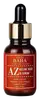
This calming serum is formulated around Azelaic Acid and Niacinamide to calm redness and clear breakouts.


What's inside
What's inside
 Key Ingredients
Benefits
Concerns
Ingredients Side-by-side
Water
Skin ConditioningPropanediol
Solvent

Dipropylene Glycol
HumectantCorn Gluten Amino Acids
Skin ConditioningButylene Glycol
Humectant
Melaleuca Alternifolia Leaf Oil
Antioxidant







Glycerin
Humectant
Avena Sativa Kernel Extract
Abrasive


Salix Alba Bark Extract
Astringent
Camellia Sinensis Leaf Extract
Antimicrobial


Chamomilla Recutita Flower Extract
Masking
Glycyrrhiza Glabra Root Extract
Bleaching
Sodium Hyaluronate
Humectant
Rosmarinus Officinalis Leaf Extract
AntimicrobialScutellaria Baicalensis Root Extract
Astringent
Picrorhiza Kurrooa Rhizome/Root Extract
Skin ConditioningPortulaca Oleracea Extract
Skin Conditioning
Sophora Flavescens Root Extract
Antioxidant
Aspalathus Linearis Extract
Skin ConditioningLonicera Caprifolium Flower Extract
Perfuming
Phellodendron Amurense Bark Extract
Skin ConditioningSalvia Miltiorrhiza Root Extract
Skin ConditioningScutellaria Baicalensis Extract
AntimicrobialPolygonum Cuspidatum Root Extract
Antioxidant
Centella Asiatica Extract
Cleansing
Beta-Glucan
Skin Conditioning
Xanthan Gum
EmulsifyingHexylene Glycol
EmulsifyingPhenoxyethanol
Preservative
Hydroxyacetophenone
Antioxidant
Ethylhexylglycerin
Skin ConditioningSodium Hydroxide
BufferingLimonene
Perfuming

Water, Propanediol, Dipropylene Glycol, Corn Gluten Amino Acids, Butylene Glycol, Melaleuca Alternifolia Leaf Oil, Glycerin, Avena Sativa Kernel Extract, Salix Alba Bark Extract, Camellia Sinensis Leaf Extract, Chamomilla Recutita Flower Extract, Glycyrrhiza Glabra Root Extract, Sodium Hyaluronate, Rosmarinus Officinalis Leaf Extract, Scutellaria Baicalensis Root Extract, Picrorhiza Kurrooa Rhizome/Root Extract, Portulaca Oleracea Extract, Sophora Flavescens Root Extract, Aspalathus Linearis Extract, Lonicera Caprifolium Flower Extract, Phellodendron Amurense Bark Extract, Salvia Miltiorrhiza Root Extract, Scutellaria Baicalensis Extract, Polygonum Cuspidatum Root Extract, Centella Asiatica Extract, Beta-Glucan, Xanthan Gum, Hexylene Glycol, Phenoxyethanol, Hydroxyacetophenone, Ethylhexylglycerin, Sodium Hydroxide, Limonene
Water
Skin ConditioningPropylene Glycol
Humectant
Azelaic Acid
Buffering
Polysorbate 20
Emulsifying
1,2-Hexanediol
Skin Conditioning
Propanediol
Solvent
Panthenol
Skin Conditioning
Niacinamide
Smoothing
Aloe Barbadensis Leaf Extract
Emollient
Sodium Hyaluronate
Humectant
Sodium Citrate
BufferingCamellia Sinensis Leaf Extract
Antimicrobial
Momordica Charantia Fruit Extract
Skin ConditioningSambucus Nigra Flower Extract
RefreshingLeontopodium Alpinum Extract
Skin ConditioningWater, Propylene Glycol, Azelaic Acid, Polysorbate 20, 1,2-Hexanediol, Propanediol, Panthenol, Niacinamide, Aloe Barbadensis Leaf Extract, Sodium Hyaluronate, Sodium Citrate, Camellia Sinensis Leaf Extract, Momordica Charantia Fruit Extract, Sambucus Nigra Flower Extract, Leontopodium Alpinum Extract
Reviews
Ingredients Explained
These ingredients are found in both products.
Ingredients higher up in an ingredient list are typically present in a larger amount.
Camellia Sinensis Leaf Extract (tea extract) is one of the most well-researched plant extracts in skincare with an impressive resume.
Black tea, green tea, and oolong tea are all harvested from the Camellia Sinensis plant.
Studies show green tea extract and its catechins (like epigallocatechin gallate (EGCG)) help your skin cells product energy more efficiently and reducing the number of free-radicals that can damage your skin from the inside.
In lab-grown skin models, this translated to younger, healthier, and stronger skin.
There's also good sun protection data; researchers saw less DNA damage and redness on human skin when green tea was applied before UVB exposure. And the more they applied, the better the protection.
Needless to say, this ingredient shouldn't replace your sunscreen. But it is a great supportive ingredient that you can already find in many sunscreens and antioxidant serums.
A 2009 study found a 2% green tea lotion was effective for mild-to-moderate acne thanks to its anti-inflammatory and mild antimicrobial activity.
The quality of the extract matters a lot here:
Good extracts contain 50-90% catechins while lower quality ones are mostly there for marketing. We recommend reaching out to the brand if you have questions about the quality or source of their ingredients.
Human Repeated Insult Patch Testing showed no irritation or sensitization at use concentrations (0.86% in leave-on products and up to 30% as leaf water).
Learn more about Camellia Sinensis Leaf ExtractPropanediol is an all-star ingredient. It softens, hydrates, and smooths the skin.
It’s often used to:
Propanediol is not likely to cause sensitivity and considered safe to use. It is derived from corn or petroleum with a clear color and no scent.
Learn more about PropanediolSodium Hyaluronate is the salt form of hyaluronic acid. It is a long sugar chain that is naturally found in your skin, joints, and connective tissue that maintains hydration and elasticity.
In skincare, it works as a humectant. It pulls water from the environment and deeper layers of skin and binds it to the surface.
Interestingly, the size of the molecule affects its behavior:
Some clinical evidence links low molecular weight versions to improved wrinkle depth, elasticity, anti-inflammatory effects, and barrier repair.
Many serums use a blend of both weights so you can get surface hydration plus longer-lasting and deeper effects.
You'll typically see concentrations between 0.1-2% for this ingredient.
Learn more about Sodium HyaluronateWater. It's the most common cosmetic ingredient of all. You'll usually see it at the top of ingredient lists, meaning that it makes up the largest part of the product.
So why is it so popular? Water most often acts as a solvent - this means that it helps dissolve other ingredients into the formulation.
You'll also recognize water as that liquid we all need to stay alive. If you see this, drink a glass of water. Remember to stay hydrated!
Learn more about Water

