PSA SKIN The Most Hyaluronic Super Nutrient Hydration Serum Versus Good Molecules Mandelic Acid Serum
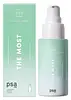
This hydrating serum is formulated around Hyaluronic Acid and Sodium Hyaluronate to hydrate skin and strengthen the skin barrier.
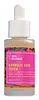
This smoothing serum is formulated around Mandelic Acid and Phytic Acid to refine skin texture and brighten dull-looking skin.


What's inside
What's inside
 Key Ingredients
Benefits
Concerns
Ingredients Side-by-side
Water
Skin ConditioningGlycerin
Humectant


Carthamus Tinctorius Seed Oil
Masking


Propanediol
Solvent
Dimethyl Isosorbide
SolventGlucuronolactone
Skin ConditioningLeuconostoc/Radish Root Ferment Filtrate
Antimicrobial
Bisabolol
Antioxidant


Polysorbate 20
Emulsifying
Hyaluronic Acid
Humectant

Sodium Hyaluronate
Humectant
Sodium Hyaluronate Crosspolymer-3
HumectantSodium PCA
Humectant
Panthenol
Skin Conditioning
Saccharomyces/Xylinum/Black Tea Ferment
Skin Conditioning
Euterpe Oleracea Fruit Extract
Madecassoside
Antioxidant
Glycyrrhiza Glabra Root Extract
Bleaching

Chondrus Crispus Extract
Skin Conditioning

Allantoin
Skin Conditioning
Hydrolyzed Jojoba Esters
Skin Conditioning
Gluconolactone
Chelating



Sodium Lactate
Buffering
Sodium Gluconate
ChelatingHydroxyethylcellulose
Emulsion StabilisingSodium Benzoate
Masking
Sclerotium Gum
Emulsion StabilisingHydroxyethyl Acrylate/Sodium Acryloyldimethyl Taurate Copolymer
Emulsion StabilisingPotassium Sorbate
Preservative
Phenoxyethanol
Preservative
Water, Glycerin, Carthamus Tinctorius Seed Oil, Propanediol, Dimethyl Isosorbide, Glucuronolactone, Leuconostoc/Radish Root Ferment Filtrate, Bisabolol, Polysorbate 20, Hyaluronic Acid, Sodium Hyaluronate, Sodium Hyaluronate Crosspolymer-3, Sodium PCA, Panthenol, Saccharomyces/Xylinum/Black Tea Ferment, Euterpe Oleracea Fruit Extract, Madecassoside, Glycyrrhiza Glabra Root Extract, Chondrus Crispus Extract, Allantoin, Hydrolyzed Jojoba Esters, Gluconolactone, Sodium Lactate, Sodium Gluconate, Hydroxyethylcellulose, Sodium Benzoate, Sclerotium Gum, Hydroxyethyl Acrylate/Sodium Acryloyldimethyl Taurate Copolymer, Potassium Sorbate, Phenoxyethanol
Water
Skin ConditioningMandelic Acid
Antimicrobial

Dimethyl Isosorbide
SolventPropanediol
Solvent
Potassium Hydroxide
BufferingPhytic Acid
Chelating
Gluconolactone
Chelating
Sodium Hyaluronate
Humectant
Polyacrylate Crosspolymer-6
Emulsion StabilisingAllantoin
Skin Conditioning
Caprylyl Glyceryl Ether
CleansingSclerotium Gum
Emulsion StabilisingSodium Polyacryloyldimethyl Taurate
Emulsion StabilisingSuccinoglycan
Skin ConditioningCaprylhydroxamic Acid
ChelatingXanthan Gum
EmulsifyingGlycerin
Humectant
Water, Mandelic Acid, Dimethyl Isosorbide, Propanediol, Potassium Hydroxide, Phytic Acid, Gluconolactone, Sodium Hyaluronate, Polyacrylate Crosspolymer-6, Allantoin, Caprylyl Glyceryl Ether, Sclerotium Gum, Sodium Polyacryloyldimethyl Taurate, Succinoglycan, Caprylhydroxamic Acid, Xanthan Gum, Glycerin
Reviews
Ingredients Explained
These ingredients are found in both products.
Ingredients higher up in an ingredient list are typically present in a larger amount.
Allantoin is a soothing ingredient known for its protective and moisturizing properties; it's basically a quiet workhorse ingredient you can find in a huge range of cosmetics.
Though it can be derived from the comfrey plant, allantoin is produced synthetically for cosmetic products to ensure purity.
Research shows it can encourage your skin cells to turn over and renew by stimulating keratinocyte and fibroblast proliferation.
It also has mild keratolytic properties to help loosen and shed dead skin cells without being harsh.
Studies also suggest allantoin can help calm inflammation by dialing down some of the chemical signals your skin sends out when it is irritated.
This ingredient is typically used in the 0.1-0.5% range, and the FDA recognizes it as a skin protectant in OTC products up to 2%.
Overall, allantoin is a wonderful addition to most routines; it is stable across a wide pH range (~4-8), works well with other ingredients, and is considered non-sensitizing/non-irritating.
Fun fact: Allantoin is naturally occurring in comfrey root, beets, chamomile, and wheat sprouts. Our bodies even produce it as a byproduct of uric acid metabolism.
Learn more about AllantoinDimethyl Isosorbide (often shortened to DMI) is a sugar-derived solvent made from sorbitol. It's used to dissolve tricky ingredients and help them mix smoothly into a formula.
Many actives sit as gritty crystals when undissolved, so DMI swoops in to full dissolve them. This helps improve texture, stability, and how evenly an active is distributed.
It does have a penetration-enhancing reputation that is a bit more nuanced than marketing suggests; a cell study on human skin found that 10% DMI didn't significantly boost the permeation of Hydroquinone, Salicylic Acid, or Octadecenedioic Acid compared to controls (though it did improve their solubility in the formula itself).
Typical usage concentrations usually range from 1-10% depending on the formula's needs; this ingredient is also well tolerated at these levels.
Learn more about Dimethyl IsosorbideGluconolactone is a PHA. PHAs are a great gentle alternative to traditional AHAs.
When applied, Gluconolactone has the same affect on skin as AHAs such as lactic acid. It helps dissolve the dead skin cells in the top layer of your skin. This improves texture and brightens the skin.
PHAs are more gentle than AHAs due to their larger structure. They do not penetrate as deeply as AHAs and take a longer time to dissolve dead cells. Studies show PHAs do not cause as much irritation.
Gluconolactone has some interesting properties:
In a 2004 study, Gluconolactone was found to prevent UV damage in mouse skin cells and has not been found to increase sun sensitivity. However, we still recommend wearing SPF daily.
This ingredient is is an created by reacting gluconic acid with an alcohol.
Learn more about GluconolactoneGlycerin (or glycerol) is a compound naturally found in your skin. It's a powerhouse humectant that pulls water into the stratum corneum.
Topically, glycerin does several things at once:
Your skin makes glycerin on its own (mostly from sebaceous oil breakdown) and shuttles it to your outermost layer of skin, or your epidermis, via aquaporin-3.
Aquaporin-3 is a transporter that is essential for normal skin hydration, elasticity, and repair. Interestingly, mice lacking in AQP3 have dry and less elastic skin that can be fully corrected with glycerin.
This ingredient is non-irritating, plays well with almost every ingredient, and works across all skin types. Typical use is anywhere between 3-10% but can go up to 79% in some leave-on products.
Just know very high concentrations (>40%) can feel tacky in low humidity.
Glycerin is the name for this ingredient in American English. British English uses Glycerol/Glycerine.
Learn more about GlycerinPropanediol is an all-star ingredient. It softens, hydrates, and smooths the skin.
It’s often used to:
Propanediol is not likely to cause sensitivity and considered safe to use. It is derived from corn or petroleum with a clear color and no scent.
Learn more about PropanediolSclerotium Gum is a natural sugar-based fiber made by fermenting a fungus called Sclerotium rolfsii. It's often used as the plant-friendly alternative for synthetic thickeners like carbomer.
In skincare, it works as a thickener, gel former, and stabilizer that keeps heavy ingredients suspended so a product does not separate.
It is non-ionic and forms a triple helix in solution. This is just a fancy way of saying it builds a smooth, cushiony, and non-sticky gel that feels silkier than many other gums.
Another perk of this ingredient is that it is very sturdy and holds up across a wide pH range (~2-11). It's also good at resisting heat and hydrolysis.
Since it holds water at the skin surface, it can provide some light hydration as well.
Typical use levels are around 0.25-2%; formulators usually use 0.2-0.5% to thicken lotions and up to 2% for a firmer gel base.
This ingredient has been found safe in cosmetics with no meaningful evidence of skin sensitization.
Learn more about Sclerotium GumSodium Hyaluronate is the salt form of hyaluronic acid. It is a long sugar chain that is naturally found in your skin, joints, and connective tissue that maintains hydration and elasticity.
In skincare, it works as a humectant. It pulls water from the environment and deeper layers of skin and binds it to the surface.
Interestingly, the size of the molecule affects its behavior:
Some clinical evidence links low molecular weight versions to improved wrinkle depth, elasticity, anti-inflammatory effects, and barrier repair.
Many serums use a blend of both weights so you can get surface hydration plus longer-lasting and deeper effects.
You'll typically see concentrations between 0.1-2% for this ingredient.
Learn more about Sodium HyaluronateWater. It's the most common cosmetic ingredient of all. You'll usually see it at the top of ingredient lists, meaning that it makes up the largest part of the product.
So why is it so popular? Water most often acts as a solvent - this means that it helps dissolve other ingredients into the formulation.
You'll also recognize water as that liquid we all need to stay alive. If you see this, drink a glass of water. Remember to stay hydrated!
Learn more about Water

