Proactiv Ultra-Hydrating Moisturizer Versus Paula's Choice Calm Redness Relief Moisturizer for Normal to Oily Skin
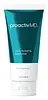
This brightening moisturizer is formulated around Glycyrrhiza Glabra Root Extract and Kojic Acid to fade the look of dark spots and hydrate skin.
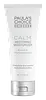
This calming moisturizer is formulated around Glycyrrhiza Glabra Root Extract and Allantoin to calm redness and strengthen the skin barrier.

What's inside
What's inside
 Key Ingredients
Benefits
Concerns
Ingredients Side-by-side
Water
Skin ConditioningButylene Glycol
Humectant

Dimethicone
Emollient

Cetearyl Alcohol
Emollient






Glycol Stearate
Emollient
Glycerin
Humectant
Morus Alba Root Extract
BleachingArctostaphylos Uva Ursi Leaf Extract
Skin Conditioning
Glycyrrhiza Glabra Root Extract
Bleaching


Scutellaria Baicalensis Root Extract
Astringent
Camellia Sinensis Leaf Extract
Antimicrobial



Safflower Oil/Palm Oil Aminopropanediol Esters
Skin Conditioning
Kojic Acid
Antioxidant
Sodium Hyaluronate
Humectant
Sodium Polyacrylate
Absorbent
Ethylhexyl Palmitate
Emollient
Ceteareth-20
Cleansing
Polysorbate 60
Emulsifying
Aluminum Starch Octenylsuccinate
Absorbent
Hydrogenated Polydecene
EmollientPPG-2 Myristyl Ether Propionate
Emollient
Phenoxyethanol
Preservative
Squalane
Emollient
Caprylic/Capric Triglyceride
Masking
Glycogen
HumectantCaprylyl Glycol
Emollient
C12-15 Alkyl Lactate
EmollientEthylhexylglycerin
Skin ConditioningHexylene Glycol
EmulsifyingBisabolol
Antioxidant
Citric Acid
Buffering
PPG-5-Laureth-5
EmollientDisodium EDTA
ChelatingPolyquaternium-11
Parfum
Masking


Water, Butylene Glycol, Dimethicone, Cetearyl Alcohol, Glycol Stearate, Glycerin, Morus Alba Root Extract, Arctostaphylos Uva Ursi Leaf Extract, Glycyrrhiza Glabra Root Extract, Scutellaria Baicalensis Root Extract, Camellia Sinensis Leaf Extract, Safflower Oil/Palm Oil Aminopropanediol Esters, Kojic Acid, Sodium Hyaluronate, Sodium Polyacrylate, Ethylhexyl Palmitate, Ceteareth-20, Polysorbate 60, Aluminum Starch Octenylsuccinate, Hydrogenated Polydecene, PPG-2 Myristyl Ether Propionate, Phenoxyethanol, Squalane, Caprylic/Capric Triglyceride, Glycogen, Caprylyl Glycol, C12-15 Alkyl Lactate, Ethylhexylglycerin, Hexylene Glycol, Bisabolol, Citric Acid, PPG-5-Laureth-5, Disodium EDTA, Polyquaternium-11, Parfum
Water
Skin ConditioningCyclopentasiloxane
Emollient
Glycerin
Humectant
Butylene Glycol
Humectant
Bis-Phenylpropyl Dimethicone
Glycyrrhiza Glabra Root Extract
Bleaching
Allantoin
Skin Conditioning
Beta-Glucan
Skin Conditioning
Dipotassium Glycyrrhizate
Humectant
Epilobium Angustifolium Flower/Leaf/Stem Extract
Skin ConditioningPhenyl Trimethicone
Skin Conditioning
Dimethicone
Emollient
Dimethicone/Vinyl Dimethicone Crosspolymer
Skin Conditioning
Sodium Hyaluronate
Humectant
Arctium Majus Root Extract
Skin Conditioning
Camellia Sinensis Leaf Extract
Antimicrobial
Laminaria Saccharina Extract
Skin Protecting
Vitis Vinifera Seed Extract
Antimicrobial
Panthenol
Skin Conditioning
Sodium Acrylate/Sodium Acryloyldimethyl Taurate Copolymer
Emulsion StabilisingHydroxyethylcellulose
Emulsion StabilisingIsohexadecane
EmollientSodium Carbomer
Emulsion StabilisingPolysorbate 80
Emulsifying
Ethylhexylglycerin
Skin ConditioningPhenoxyethanol
Preservative
Water, Cyclopentasiloxane, Glycerin, Butylene Glycol, Bis-Phenylpropyl Dimethicone, Glycyrrhiza Glabra Root Extract, Allantoin, Beta-Glucan, Dipotassium Glycyrrhizate, Epilobium Angustifolium Flower/Leaf/Stem Extract, Phenyl Trimethicone, Dimethicone, Dimethicone/Vinyl Dimethicone Crosspolymer, Sodium Hyaluronate, Arctium Majus Root Extract, Camellia Sinensis Leaf Extract, Laminaria Saccharina Extract, Vitis Vinifera Seed Extract, Panthenol, Sodium Acrylate/Sodium Acryloyldimethyl Taurate Copolymer, Hydroxyethylcellulose, Isohexadecane, Sodium Carbomer, Polysorbate 80, Ethylhexylglycerin, Phenoxyethanol
Ingredients Explained
These ingredients are found in both products.
Ingredients higher up in an ingredient list are typically present in a larger amount.
Butylene Glycol (or BG) is used within cosmetic products for a few different reasons:
Overall, Butylene Glycol is a safe and well-rounded ingredient that works well with other ingredients.
Though this ingredient works well with most skin types, some people with sensitive skin may experience a reaction such as allergic rashes, closed comedones, or itchiness.
Learn more about Butylene GlycolCamellia Sinensis Leaf Extract (tea extract) is one of the most well-researched plant extracts in skincare with an impressive resume.
Black tea, green tea, and oolong tea are all harvested from the Camellia Sinensis plant.
Studies show green tea extract and its catechins (like epigallocatechin gallate (EGCG)) help your skin cells product energy more efficiently and reducing the number of free-radicals that can damage your skin from the inside.
In lab-grown skin models, this translated to younger, healthier, and stronger skin.
There's also good sun protection data; researchers saw less DNA damage and redness on human skin when green tea was applied before UVB exposure. And the more they applied, the better the protection.
Needless to say, this ingredient shouldn't replace your sunscreen. But it is a great supportive ingredient that you can already find in many sunscreens and antioxidant serums.
A 2009 study found a 2% green tea lotion was effective for mild-to-moderate acne thanks to its anti-inflammatory and mild antimicrobial activity.
The quality of the extract matters a lot here:
Good extracts contain 50-90% catechins while lower quality ones are mostly there for marketing. We recommend reaching out to the brand if you have questions about the quality or source of their ingredients.
Human Repeated Insult Patch Testing showed no irritation or sensitization at use concentrations (0.86% in leave-on products and up to 30% as leaf water).
Learn more about Camellia Sinensis Leaf ExtractDimethicone is a type of synthetic silicone created from natural materials such as quartz. It is also known as polydimethylsiloxane.
What it does:
Dimethicone comes in different viscosities:
Depending on the viscosity, dimethicone has different properties.
Ingredients lists don't always show which type is used, so we recommend reaching out to the brand if you have questions about the viscosity.
This ingredient is unlikely to cause irritation because it does not get absorbed into skin. However, people with silicone allergies should be careful about using this ingredient.
Note: Dimethicone may contribute to pilling. This is because it is not oil or water soluble, so pilling may occur when layered with products. When mixed with heavy oils in a formula, the outcome is also quite greasy.
Learn more about DimethiconeEthylhexylglycerin is created from glycerin. It is a multitasker ingredient that:
The CIR Expert Panel found minimal skin absorption or sensitization of any kind in a safety assessment. Though this ingredient is considered well-tolerated, a small number of cases of allergic dermatitis have been published since 2002. Just be sure to patch test if you are unsure.
Industry-reported use ranges from 8% in rinse-off products and 2% in leave-on formulations.
Learn more about EthylhexylglycerinGlycerin (or glycerol) is a compound naturally found in your skin. It's a powerhouse humectant that pulls water into the stratum corneum.
Topically, glycerin does several things at once:
Your skin makes glycerin on its own (mostly from sebaceous oil breakdown) and shuttles it to your outermost layer of skin, or your epidermis, via aquaporin-3.
Aquaporin-3 is a transporter that is essential for normal skin hydration, elasticity, and repair. Interestingly, mice lacking in AQP3 have dry and less elastic skin that can be fully corrected with glycerin.
This ingredient is non-irritating, plays well with almost every ingredient, and works across all skin types. Typical use is anywhere between 3-10% but can go up to 79% in some leave-on products.
Just know very high concentrations (>40%) can feel tacky in low humidity.
Glycerin is the name for this ingredient in American English. British English uses Glycerol/Glycerine.
Learn more about GlycerinGlycyrrhiza Glabra Root Extract is an extract of the roots of Licorice. It has been found to have several benefits such as skin hydrating, conditioning, and soothing.
One component, glabridin, has extra potent antioxidant and soothing properties. It has also been found to block pigmentation from UVB rays in guinea pigs.
Licorice Root also contains a flavonoid. Flavonoids are a natural substance from in plants. Flavonoids also have antioxidant properties.
Another component, glycyrrhizin, has been found to have anti-inflammatory and antimicrobial benefits. This may make licorice root extract effective at treating acne. However, more research is needed to support this.
Liquiritin is one of the flavone compounds found in licorice. It has been found to help lighten skin by preventing tyrosinase from reacting with tyrosine. When the two react, protein is converted to melanin. Melanin is the substance in your body that gives your features pigmentation.
Learn more about Glycyrrhiza Glabra Root ExtractPhenoxyethanol is one of the most widely used preservatives in skincare (and for good reason!).
It has a large spectrum of antimicrobial activity and especially effective bacteria, yeast, and mold while only having a weak effect on your skin's natural microbiome.
On a cellular level, it disrupts the cell membranes of microbes by poking holes that make the cell leak. This shuts down the chemical reactions the microbe needs to make energy so it can no longer survive.
Another perk of this ingredient is that it stays functional across a wide pH range (3-10).
You'll often see it paired with boosters like Ethylhexylglycerin; one study showed that a 1:9 ratio of Ethylhexylglycerin to Phenoxyethanol damages bacterial membranes as effectively as doubling the Phenoxyethanol concentration on its own.
Typical use concentrations range from 0.3-1% depending on the formula, and this ingredient is capped at 1% int the EU.
Safety-wise, the fear mongering does not hold up to the evidence. The EU's Scientific Committee on Consumer Safety and FDA consider it safe as a preservative at up to 1%, including for children of all ages.
Adverse systemic effects only showed up in animal studies at exposures roughly 200x higher than what people get from cosmetics. And despite its very widespread use, this ingredient is a rare sensitizer and allergic reactions are uncommon.
Learn more about PhenoxyethanolSodium Hyaluronate is the salt form of hyaluronic acid. It is a long sugar chain that is naturally found in your skin, joints, and connective tissue that maintains hydration and elasticity.
In skincare, it works as a humectant. It pulls water from the environment and deeper layers of skin and binds it to the surface.
Interestingly, the size of the molecule affects its behavior:
Some clinical evidence links low molecular weight versions to improved wrinkle depth, elasticity, anti-inflammatory effects, and barrier repair.
Many serums use a blend of both weights so you can get surface hydration plus longer-lasting and deeper effects.
You'll typically see concentrations between 0.1-2% for this ingredient.
Learn more about Sodium HyaluronateWater. It's the most common cosmetic ingredient of all. You'll usually see it at the top of ingredient lists, meaning that it makes up the largest part of the product.
So why is it so popular? Water most often acts as a solvent - this means that it helps dissolve other ingredients into the formulation.
You'll also recognize water as that liquid we all need to stay alive. If you see this, drink a glass of water. Remember to stay hydrated!
Learn more about Water

