Prequel Reactive Skin Solutions 5% Ectoin Cream Versus Experiment Beauty Molecular Mesh Barrier Strengthening Moisturizer
This barrier-repair treatment is formulated around Ectoin and Urea to strengthen the skin barrier and calm redness.
This barrier-repair moisturizer is formulated around Centella Asiatica Extract and Ectoin to strengthen the skin barrier and hydrate skin.

What's inside
What's inside
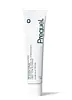 Key Ingredients
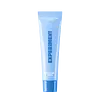
Benefits
Concerns
Ingredients Side-by-side
Water
Skin ConditioningCetearyl Alcohol
Emollient






Ectoin
Skin Conditioning






Urea
Buffering

Cetearyl Isononanoate
Emollient
Glycerin
Humectant
Simmondsia Chinensis Seed Oil
Emollient
Pentylene Glycol
Skin Conditioning
Hydrogenated Polydecene
EmollientHydroxyethyl Urea
Humectant
Triacetin
AntimicrobialPanthenol
Skin Conditioning
Lecithin
Emollient
Allantoin
Skin Conditioning
Sodium Cetearyl Sulfate
Cleansing
Xanthan Gum
EmulsifyingCetearyl Glucoside
Emulsifying
Sodium Lactate
Buffering
Ethylhexylglycerin
Skin ConditioningWater, Cetearyl Alcohol, Ectoin, Urea, Cetearyl Isononanoate, Glycerin, Simmondsia Chinensis Seed Oil, Pentylene Glycol, Hydrogenated Polydecene, Hydroxyethyl Urea, Triacetin, Panthenol, Lecithin, Allantoin, Sodium Cetearyl Sulfate, Xanthan Gum, Cetearyl Glucoside, Sodium Lactate, Ethylhexylglycerin
Water
Skin ConditioningCaprylic/Capric Triglyceride
Masking
Glycerin
Humectant
Carthamus Tinctorius Seed Oil
Masking
Cetearyl Alcohol
Emollient
Diglycerin
Humectant
C10-18 Triglycerides
Emollient
Petrolatum
Emollient
Phenyl Trimethicone
Skin Conditioning
Ceteareth-20
Cleansing
Dimethicone
Emollient
Phenoxyethanol
Preservative
Hydroxyethyl Acrylate/Sodium Acryloyldimethyl Taurate Copolymer
Emulsion StabilisingCentella Asiatica Extract
Cleansing
Squalane
Emollient
Ectoin
Skin Conditioning
Phospholipids
Skin Conditioning
Euphorbia Cerifera Cera
Astringent
Polysorbate 60
Emulsifying
Phytosphingosine
Skin Conditioning
Ethylhexylglycerin
Skin ConditioningSodium Polyacrylate
Absorbent
Sorbitan Isostearate
Emulsifying
PEG-40 Hydrogenated Castor Oil
Emulsifying
Polysorbate 20
Emulsifying
Guaiazulene
Antimicrobial

Tocopheryl Acetate
Antioxidant


Caprylyl Glycol
Emollient
Water, Caprylic/Capric Triglyceride, Glycerin, Carthamus Tinctorius Seed Oil, Cetearyl Alcohol, Diglycerin, C10-18 Triglycerides, Petrolatum, Phenyl Trimethicone, Ceteareth-20, Dimethicone, Phenoxyethanol, Hydroxyethyl Acrylate/Sodium Acryloyldimethyl Taurate Copolymer, Centella Asiatica Extract, Squalane, Ectoin, Phospholipids, Euphorbia Cerifera Cera, Polysorbate 60, Phytosphingosine, Ethylhexylglycerin, Sodium Polyacrylate, Sorbitan Isostearate, PEG-40 Hydrogenated Castor Oil, Polysorbate 20, Guaiazulene, Tocopheryl Acetate, Caprylyl Glycol
Reviews
Ingredients Explained
These ingredients are found in both products.
Ingredients higher up in an ingredient list are typically present in a larger amount.
Cetearyl alcohol is a waxy mixture of two fatty alcohols: cetyl alcohol and stearyl alcohol. It is an emollient and emulsifier.
Despite having "alcohol" in its name, it has nothing to do with drying solvent alcohols; the FDA also allows "alcohol-free" products to contain fatty alcohols like this ingredient.
It plays several roles in a formula:
Typical use levels for this ingredient sit around 1-10% and the Cosmetic Ingredient Review Expert Panel has affirmed safety at concentrations up to 25% in leave-on products.
Multiple assessments have found it to be non-irritating and non-sensitizing to most people.
However, there have been some cases of allergic contact dermatitis in patients with chronically compromised skin barriers.
Cetearyl alcohol has a comedogenic rating of 2 and irritancy rating of 1. Both of these numbers come from the 1989 study that used rabbit ears; a "2" means mildly comedogenic and a "1" means low irritancy.
Here's the catch: rabbit skin is more sensitive than human skin and throws a lot of false positives. A 1996 reappraisal found that ingredients rated 1-2 in the rabbit ear tests are generally safe for humans.
Remember comedogenic ratings are unable to assess the entire formula of a product or how it will react on your skin. Just be sure to patch test if you are unsure about certain ingredients.
This ingredient is not fungal acne safe. Cetearyl alcohol is a fatty alcohol with chain lengths that fall within the range that Malassezia can metabolize.
A 2019 study has also observed Malassezia growth in the presence of this ingredient, confirming it to be not-fungal acne safe.
Learn more about Cetearyl AlcoholEctoin is a compound found naturally in some species of bacteria. It can be synthetically created for skincare use.
This ingredient is an osmolyte; Osmolytes help organisms survive osmotic shock (it protects them from extreme conditions). It does this by influencing the properties of biological fluids within cells.
When applied to the skin, ectoin helps bind water molecules to protect our skin. The water forms a sort of armor for the parts of our skin cells, enzymes, proteins, and more.
Besides this, ectoin has many uses in skincare:
A study from 2004 found ectoin to counteract the damage from UV-A exposure at different cell levels. It has also been shown to protect skin against both UV-A, UV-B rays, infrared light, and visible light.
Studies show ectoin to have dual-action pollution protection: first, it protects our skin from further pollution damage. Second, it helps repair damage from pollution.
In fact, ectoin has been shown to help with:
Fun fact: In the EU, ectoin is used in inhalation medication as an anti-pollution ingredient.
Ectoin is a highly stable ingredient. It has a wide pH range of 1-9. Light, oxygen, and temperature do not affect this ingredient.
The chemical name for this ingredient is Tetrahydromethylpyrimidine Carboxylic Acid.
Learn more about EctoinEthylhexylglycerin is created from glycerin. It is a multitasker ingredient that:
The CIR Expert Panel found minimal skin absorption or sensitization of any kind in a safety assessment. Though this ingredient is considered well-tolerated, a small number of cases of allergic dermatitis have been published since 2002. Just be sure to patch test if you are unsure.
Industry-reported use ranges from 8% in rinse-off products and 2% in leave-on formulations.
Learn more about EthylhexylglycerinGlycerin (or glycerol) is a compound naturally found in your skin. It's a powerhouse humectant that pulls water into the stratum corneum.
Topically, glycerin does several things at once:
Your skin makes glycerin on its own (mostly from sebaceous oil breakdown) and shuttles it to your outermost layer of skin, or your epidermis, via aquaporin-3.
Aquaporin-3 is a transporter that is essential for normal skin hydration, elasticity, and repair. Interestingly, mice lacking in AQP3 have dry and less elastic skin that can be fully corrected with glycerin.
This ingredient is non-irritating, plays well with almost every ingredient, and works across all skin types. Typical use is anywhere between 3-10% but can go up to 79% in some leave-on products.
Just know very high concentrations (>40%) can feel tacky in low humidity.
Glycerin is the name for this ingredient in American English. British English uses Glycerol/Glycerine.
Learn more about GlycerinWater. It's the most common cosmetic ingredient of all. You'll usually see it at the top of ingredient lists, meaning that it makes up the largest part of the product.
So why is it so popular? Water most often acts as a solvent - this means that it helps dissolve other ingredients into the formulation.
You'll also recognize water as that liquid we all need to stay alive. If you see this, drink a glass of water. Remember to stay hydrated!
Learn more about Water

