

What's inside
What's inside
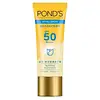 Key Ingredients
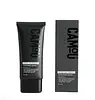
Benefits
Concerns
Ingredients Side-by-side
Water
Skin ConditioningEthylhexyl Methoxycinnamate
UV Absorber


Propylene Glycol
Humectant


Methylene Bis-Benzotriazolyl Tetramethylbutylphenol
UV Filter
Butylene Glycol
Humectant
Butyl Methoxydibenzoylmethane
UV Absorber
Isoamyl P-Methoxycinnamate
UV Absorber
Silica
Abrasive
Octocrylene
UV Absorber
Phenoxyethanol
Preservative
Acrylates/C10-30 Alkyl Acrylate Crosspolymer
Emulsion StabilisingTriethanolamine
BufferingMethyl Methacrylate Crosspolymer
Decyl Glucoside
CleansingDimethicone
Emollient
Chlorphenesin
Antimicrobial
Polysorbate 20
Emulsifying
Cyclopentasiloxane
Emollient
Tocopheryl Acetate
Antioxidant

Ethylhexylglycerin
Skin ConditioningXanthan Gum
EmulsifyingTrisodium Ethylenediamine Disuccinate
Dimethicone/Vinyl Dimethicone Crosspolymer
Skin Conditioning
Sodium Hyaluronate
Humectant

Water, Ethylhexyl Methoxycinnamate, Propylene Glycol, Methylene Bis-Benzotriazolyl Tetramethylbutylphenol, Butylene Glycol, Butyl Methoxydibenzoylmethane, Isoamyl P-Methoxycinnamate, Silica, Octocrylene, Phenoxyethanol, Acrylates/C10-30 Alkyl Acrylate Crosspolymer, Triethanolamine, Methyl Methacrylate Crosspolymer, Decyl Glucoside, Dimethicone, Chlorphenesin, Polysorbate 20, Cyclopentasiloxane, Tocopheryl Acetate, Ethylhexylglycerin, Xanthan Gum, Trisodium Ethylenediamine Disuccinate, Dimethicone/Vinyl Dimethicone Crosspolymer, Sodium Hyaluronate
Water
Skin ConditioningGlycerin
Humectant

Octocrylene
UV Absorber
Cetyl Ethylhexanoate
EmollientEthylhexyl Methoxycinnamate
UV Absorber
Butylene Glycol
Humectant
Cetearyl Alcohol
Emollient


Dimethicone
Emollient
CI 77891
Cosmetic ColorantC14-22 Alcohols
Emulsion StabilisingSodium Acrylate/Sodium Acryloyldimethyl Taurate Copolymer
Emulsion StabilisingPotassium Cetyl Phosphate
EmulsifyingCeteareth-2
EmulsifyingCeteareth-21
EmollientPhenoxyethanol
Preservative
Isohexadecane
EmollientC12-20 Alkyl Glucoside
Emulsifying3-O-Ethyl Ascorbic Acid
Skin Conditioning



Silica
Abrasive
Polysorbate 80
Emulsifying
Niacinamide
Smoothing





Triethoxycaprylylsilane
Alumina
Abrasive
Xanthan Gum
EmulsifyingSorbitan Oleate
Emulsifying
Disodium EDTA
CI 19140
Cosmetic ColorantCentella Asiatica Extract
Cleansing
Theobroma Cacao Seed Extract
Antioxidant
Water, Glycerin, Octocrylene, Cetyl Ethylhexanoate, Ethylhexyl Methoxycinnamate, Butylene Glycol, Cetearyl Alcohol, Dimethicone, CI 77891, C14-22 Alcohols, Sodium Acrylate/Sodium Acryloyldimethyl Taurate Copolymer, Potassium Cetyl Phosphate, Ceteareth-2, Ceteareth-21, Phenoxyethanol, Isohexadecane, C12-20 Alkyl Glucoside, 3-O-Ethyl Ascorbic Acid, Silica, Polysorbate 80, Niacinamide, Triethoxycaprylylsilane, Alumina, Xanthan Gum, Sorbitan Oleate, Disodium EDTA, CI 19140, Centella Asiatica Extract, Theobroma Cacao Seed Extract
Reviews
Ingredients Explained
These ingredients are found in both products.
Ingredients higher up in an ingredient list are typically present in a larger amount.
Butylene Glycol (or BG) is used within cosmetic products for a few different reasons:
Overall, Butylene Glycol is a safe and well-rounded ingredient that works well with other ingredients.
Though this ingredient works well with most skin types, some people with sensitive skin may experience a reaction such as allergic rashes, closed comedones, or itchiness.
Learn more about Butylene GlycolDimethicone is a type of synthetic silicone created from natural materials such as quartz.
What it does:
Dimethicone comes in different viscosities:
Depending on the viscosity, dimethicone has different properties.
Ingredients lists don't always show which type is used, so we recommend reaching out to the brand if you have questions about the viscosity.
This ingredient is unlikely to cause irritation because it does not get absorbed into skin. However, people with silicone allergies should be careful about using this ingredient.
Note: Dimethicone may contribute to pilling. This is because it is not oil or water soluble, so pilling may occur when layered with products. When mixed with heavy oils in a formula, the outcome is also quite greasy.
Learn more about DimethiconeEthylhexyl Methoxycinnamate is an organic compound that provides UVB protection. It often goes by the more common name of octinoxate. It is created from methoxycinnamic acid and 2-ethylhexanol.
Ethylhexyl Methoxycinnamate absorbs UVB rays with wavelengths between 280-320 nm. UV absorbers protect your skin by using chemical reactions to convert UV rays into heat and energy.
UVB (290-320 nm) rays emit more energy than UVA rays. They are capable of damaging DNA, causing sunburns and are thought to be linked to skin cancer.
The state of Hawaii has banned sunscreens containing octinoxate due to its potential impact on coral reefs. More research is needed to bridge gaps in this research. The European Union allows higher levels of octinoxate in sunscreens than the US and Australia.
Ethylhexyl Methoxycinnamate is oil soluble. It is not stable and may lose efficacy when exposed to sunlight.
Learn more about Ethylhexyl MethoxycinnamateOctocrylene protects skin from sun damage. It absorbs UV-B with peak absorption of 304 nm. It is a common sunscreen ingredient and often paired with avobenzone, a UVA filter. This is because octocrylene stabilizes other sunscreen ingredients by protecting them from degradation when exposed to sunlight. Octocrylene is a photostable ingredient and loses about 10% of SPF in 95 minutes.
Octocrylene also acts as an emollient, meaning it helps skin retain moisture and softens skin. It is oil-soluble and hydrophobic, enhancing water-resistant properties in a product.
Those who are using ketoprofen, a topical anti-inflammatory drug, may experience an allergic reaction when using octocrylene. It is best to speak with a healthcare professional about using sunscreens with octocrylene.
The EU allows a maximum of these concentrations:
Learn more about OctocrylenePhenoxyethanol is a preservative that has germicide, antimicrobial, and aromatic properties. Studies show that phenoxyethanol can prevent microbial growth. By itself, it has a scent that is similar to that of a rose.
It's often used in formulations along with Caprylyl Glycol to preserve the shelf life of products.
Silica, also known as silicon dioxide, is a naturally occurring mineral. It is used as a fine, spherical, and porous powder in cosmetics.
Though it has exfoliant properties, the function of silica varies depending on the product.
The unique structure of silica enhances the spreadability and adds smoothness, making it a great texture enhancer.
It is also used as an active carrier, emulsifier, and mattifier due to its ability to absorb excess oil.
In some products, tiny microneedles called spicules are made from silica or hydrolyzed sponge. When you rub them in, they lightly polish away dead skin layers and enhance the penetration of active ingredients.
Learn more about SilicaWater. It's the most common cosmetic ingredient of all. You'll usually see it at the top of ingredient lists, meaning that it makes up the largest part of the product.
So why is it so popular? Water most often acts as a solvent - this means that it helps dissolve other ingredients into the formulation.
You'll also recognize water as that liquid we all need to stay alive. If you see this, drink a glass of water. Stay hydrated!
Learn more about WaterXanthan gum is used as a stabilizer and thickener within cosmetic products. It helps give products a sticky, thick feeling - preventing them from being too runny.
On the technical side of things, xanthan gum is a polysaccharide - a combination consisting of multiple sugar molecules bonded together.
Xanthan gum is a pretty common and great ingredient. It is a natural, non-toxic, non-irritating ingredient that is also commonly used in food products.
Learn more about Xanthan Gum
