Paula's Choice Skin Perfecting 6% Mandelic Acid + 2% Lactic Acid Liquid Exfoliant Versus Shani Darden Lactic Acid AHA Exfoliating Serum
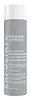
This smoothing exfoliator is formulated around Mandelic Acid and Lactic Acid to refine skin texture and brighten dull-looking skin.
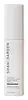
This smoothing serum is formulated around Lactic Acid and Glycolic Acid to refine skin texture and brighten dull-looking skin.

What's inside
What's inside
 Key Ingredients
Benefits
Concerns
Ingredients Side-by-side
Water
Skin Conditioning2,3-Butanediol
HumectantMandelic Acid
Antimicrobial










Lactic Acid
Buffering
Sodium Hydroxide
BufferingMyrica Cerifera Fruit Extract
HumectantAkebia Quinata Stem Extract
Skin ConditioningPrunus Lannesiana Flower Extract
Skin ConditioningLactobacillus Ferment Lysate
Skin Conditioning
Saccharomyces Lysate
Skin Conditioning
Achillea Millefolium Extract
CleansingSaccharide Isomerate
Humectant

Arginine
Masking
Hydroxyacetophenone
Antioxidant
Butylene Glycol
Humectant
Sodium Phytate
ChelatingPentylene Glycol
Skin Conditioning
Xanthan Gum
EmulsifyingCitric Acid
Buffering
Sodium Citrate
Buffering1,2-Hexanediol
Skin Conditioning
Caprylyl Glycol
Emollient
Sodium Benzoate
Masking
Water, 2,3-Butanediol, Mandelic Acid, Lactic Acid, Sodium Hydroxide, Myrica Cerifera Fruit Extract, Akebia Quinata Stem Extract, Prunus Lannesiana Flower Extract, Lactobacillus Ferment Lysate, Saccharomyces Lysate, Achillea Millefolium Extract, Saccharide Isomerate, Arginine, Hydroxyacetophenone, Butylene Glycol, Sodium Phytate, Pentylene Glycol, Xanthan Gum, Citric Acid, Sodium Citrate, 1,2-Hexanediol, Caprylyl Glycol, Sodium Benzoate
Water
Skin ConditioningLactic Acid
Buffering
Glycerin
Humectant
Butylene Glycol
Humectant
Caprylic/Capric Triglyceride
Masking
Heptyl Undecylenate
EmollientHydroxyethyl Acrylate/Sodium Acryloyldimethyl Taurate Copolymer
Emulsion StabilisingPanthenol
Skin Conditioning
Tocopherol
Antioxidant
Vaccinium Myrtillus Fruit Extract
Skin ConditioningCitrus Limon Fruit Extract
Masking
Aloe Barbadensis Leaf Juice
Skin Conditioning
Saccharum Officinarum Extract
MoisturisingGlyceryl Oleate Citrate
Emulsifying
Acer Saccharum Extract
Skin ConditioningCitrus Aurantium Dulcis Fruit Extract
MaskingCamellia Sinensis Leaf Extract
Antimicrobial
Chamomilla Recutita Flower Extract
Masking
Tartaric Acid
Buffering
Malic Acid
Buffering
Sodium Hyaluronate
Humectant
Sodium Acetylated Hyaluronate
Humectant
Hydrolyzed Sodium Hyaluronate
Skin Conditioning
Sodium Hyaluronate Crosspolymer
Humectant
Sodium Benzoate
Masking
Potassium Sorbate
Preservative
Pentylene Glycol
Skin Conditioning
Citric Acid
Buffering
Polysorbate 60
Emulsifying
Sorbitan Isostearate
Emulsifying
Glycine Soja Oil
Emollient


Glycolic Acid
Buffering
Xanthan Gum
EmulsifyingSodium Hydroxide
BufferingCaprylyl Glycol
Emollient
Gluconolactone
Chelating
Tetrasodium Glutamate Diacetate
ChelatingEthylhexylglycerin
Skin ConditioningPhenoxyethanol
Preservative
Water, Lactic Acid, Glycerin, Butylene Glycol, Caprylic/Capric Triglyceride, Heptyl Undecylenate, Hydroxyethyl Acrylate/Sodium Acryloyldimethyl Taurate Copolymer, Panthenol, Tocopherol, Vaccinium Myrtillus Fruit Extract, Citrus Limon Fruit Extract, Aloe Barbadensis Leaf Juice, Saccharum Officinarum Extract, Glyceryl Oleate Citrate, Acer Saccharum Extract, Citrus Aurantium Dulcis Fruit Extract, Camellia Sinensis Leaf Extract, Chamomilla Recutita Flower Extract, Tartaric Acid, Malic Acid, Sodium Hyaluronate, Sodium Acetylated Hyaluronate, Hydrolyzed Sodium Hyaluronate, Sodium Hyaluronate Crosspolymer, Sodium Benzoate, Potassium Sorbate, Pentylene Glycol, Citric Acid, Polysorbate 60, Sorbitan Isostearate, Glycine Soja Oil, Glycolic Acid, Xanthan Gum, Sodium Hydroxide, Caprylyl Glycol, Gluconolactone, Tetrasodium Glutamate Diacetate, Ethylhexylglycerin, Phenoxyethanol
Reviews
Ingredients Explained
These ingredients are found in both products.
Ingredients higher up in an ingredient list are typically present in a larger amount.
Butylene Glycol (or BG) is used within cosmetic products for a few different reasons:
Overall, Butylene Glycol is a safe and well-rounded ingredient that works well with other ingredients.
Though this ingredient works well with most skin types, some people with sensitive skin may experience a reaction such as allergic rashes, closed comedones, or itchiness.
Learn more about Butylene GlycolCaprylyl Glycol is a humectant, skin conditioner, emollient, and preservative booster derived from either caprylic acid or synthetically created.
Typical use levels vary from 0.3-1% as a preservative booster and go up to 2% to condition skin.
Because it is not a free-fatty acid, this ingredient is fungal acne safe (there's nothing for Malassezia to feed on).
Learn more about Caprylyl GlycolCitric Acid is an alpha hydroxy acid (AHA) naturally found in citrus fruits like oranges, lemons, and limes.
Like other AHAs, citric acid can exfoliate skin by breaking down the bonds that hold dead skin cells together. This helps reveal smoother and brighter skin underneath.
However, this exfoliating effect only happens at high concentrations (20%) which can be hard to find in cosmetic products.
Due to this, citric acid is usually included in small amounts as a pH adjuster. This helps keep products slightly more acidic and compatible with skin's natural pH.
In skincare formulas, citric acid can:
While it can provide some skin benefits, research shows lactic acid and glycolic acid are generally more effective and less irritating exfoliants.
Most citric acid used in skincare today is made by fermenting sugars (usually from molasses). This synthetic version is identical to the natural citrus form but easier to stabilize and use in formulations.
Rosacea skin has a lower threshold for acids generally, with 62.5% of rosacea subjects in one study reacting to lactic acid in a sting test. This is why we mark citric acid as a potential rosacea trigger.
However, this ingredient shows up as a pH adjuster or chelator at roughly 0.1-1% in many products. These low levels are unlikely to be an issue for rosacea skin and becomes a potential trigger at exfoliating concentrations (20%). Because everybody's skin is unique, we recommend a patch test if you are unsure.
Learn more about Citric AcidLactic Acid is another well-loved alpha hydroxy acid (AHA). It is gentler than glycolic acid but still highly effective.
Its main role is to exfoliate the surface of the skin by loosening the “glue” that holds dead skin cells together. Shedding those old cells leads to smoother, softer, and more even-toned skin.
Because lactic acid molecules are larger than glycolic acid, they don’t penetrate as deeply. This means they’re less likely to sting or irritate, making it a great choice for beginners or those with sensitive skin.
Like glycolic acid, it can:
Lactic acid also acts as a humectant (like hyaluronic acid). It can draw water into the skin to improve hydration and also plays a role in the skin's natural moisturizing factor (NMF) in the form of sodium lactate.
Studies show it can boost ceramide production to strengthen the skin barrier and even help balance the skin’s microbiome.
To get results, choose products with a pH between 3-4.
Lower strengths (5-12%) focus on surface exfoliation; higher strengths (12% and up) can reach deeper in the dermis (deeper, supportive layer) to improve skin texture and firmness over time.
Though it was originally derived from milk, most modern lactic acid used in skincare is vegan. It is made through non-dairy fermentation to create a bio-identical and stable form suitable for all formulations.
When lactic acid shows up near the end of an ingredient list, it usually means the brand added just a tiny amount to adjust the product’s pH.
Legend has it that Cleopatra used to bathe in sour milk to help reduce wrinkles.
Lactic acid is truly a gentle multitasker: it exfoliates, hydrates, strengthens, and brightens. It's a great ingredient for giving your skin a smooth, glowing, and healthy look without the harshness of stronger acids.
Read more about some other popular AHA's here:
Learn more about Lactic AcidPentylene Glycol (1,2-pentanediol) is a multitasking little diol with three main roles in a formula:
Research on alkanediols (the family pentylene glycol belongs to) show they work by disrupting microbial cell membranes. This disruption helps the primary preservative system in a product work more effectively at lower doses.
On the safety side, the Cosmetic Ingredient Review Expert Panel has concluded this ingredient to be safe as used in current cosmetic practices + concentrations.
Typical use levels in a formula run about 1-5%.
Learn more about Pentylene GlycolSodium Benzoate is a preservative. It's used in both cosmetic and food products to inhibit the growth of mold and bacteria. It is typically produced synthetically.
Both the US FDA and EU Health Committee have approved the use of sodium benzoate. In the US, levels of 0.1% (of the total product) are allowed.
Sodium benzoate works as a preservative by inhibiting the growth of bacteria inside of cells. It prevents the cell from fermenting a type of sugar using an enzyme called phosphofructokinase.
It is the salt of benzoic acid. Foods containing sodium benzoate include soda, salad dressings, condiments, fruit juices, wines, and snack foods.
Studies for using ascorbic acid and sodium benzoate in cosmetics are lacking, especially in skincare routines with multiple steps.
We always recommend speaking with a professional, such as a dermatologist, if you have any concerns.
Learn more about Sodium BenzoateSodium Hydroxide is also known as lye or caustic soda. It is used to adjust the pH of products; many ingredients require a specific pH to be effective.
In small amounts, sodium hydroxide is considered safe to use. However, large amounts may cause chemical burns due to its high alkaline.
Your skin has a natural pH and acid mantle. This acid mantle helps prevent harmful bacteria from breaking through. The acid mantle also helps keep your skin hydrated.
"Alkaline" refers to a high pH level. A low pH level would be considered acidic.
Learn more about Sodium HydroxideWater. It's the most common cosmetic ingredient of all. You'll usually see it at the top of ingredient lists, meaning that it makes up the largest part of the product.
So why is it so popular? Water most often acts as a solvent - this means that it helps dissolve other ingredients into the formulation.
You'll also recognize water as that liquid we all need to stay alive. If you see this, drink a glass of water. Remember to stay hydrated!
Learn more about WaterXanthan gum is used as a stabilizer and thickener within cosmetic products. It helps give products a sticky, thick feeling - preventing them from being too runny.
On the technical side of things, xanthan gum is a polysaccharide - a combination consisting of multiple sugar molecules bonded together.
Xanthan gum is a pretty common and great ingredient. It is a natural, non-toxic, non-irritating ingredient that is also commonly used in food products.
Learn more about Xanthan Gum

