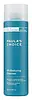
This mild cream cleanser is made to cleanse without leaving your skin tight or dry.
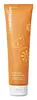
This mild gel cleanser is mild enough to cleanse without leaving skin feeling tight or stripped.


What's inside
What's inside
 Key Ingredients
No key ingredients
Benefits
Concerns
Ingredients Side-by-side
Water
Skin ConditioningSodium Cocoyl Isethionate
Cleansing
Sodium Lauroamphoacetate
CleansingStearic Acid
Cleansing



Glycerin
Humectant

Glycol Distearate
Emollient
Helianthus Annuus Seed Oil
Emollient
Acrylates Copolymer
Cetearyl Alcohol
Emollient


Aloe Barbadensis Leaf Extract
Emollient

Sodium Chloride
MaskingSodium Hydroxide
BufferingXanthan Gum
EmulsifyingCaprylyl Glycol
Emollient
Hexylene Glycol
EmulsifyingDisodium EDTA
Phenoxyethanol
Preservative
Water, Sodium Cocoyl Isethionate, Sodium Lauroamphoacetate, Stearic Acid, Glycerin, Glycol Distearate, Helianthus Annuus Seed Oil, Acrylates Copolymer, Cetearyl Alcohol, Aloe Barbadensis Leaf Extract, Sodium Chloride, Sodium Hydroxide, Xanthan Gum, Caprylyl Glycol, Hexylene Glycol, Disodium EDTA, Phenoxyethanol
Water
Skin ConditioningSodium Cocoyl Isethionate
Cleansing
Sodium Cocoamphoacetate
CleansingCocamidopropyl Hydroxysultaine
Cleansing
Sodium Chloride
MaskingAcrylates/Beheneth-25 Methacrylate Copolymer
Phenoxyethanol
Preservative
Citrus Aurantium Dulcis Oil
Masking
Glycol Distearate
Emollient
Gluconolactone
Skin Conditioning






Propanediol
Solvent
Glycerin
Humectant
1,2-Hexanediol
Skin Conditioning
Citrus Aurantium Dulcis Peel Oil
Masking
Sodium Benzoate
Masking
Citrus Aurantium Dulcis Fruit Water
MaskingCI 77891
Cosmetic ColorantCitrus Sinensis Fruit Extract
Antioxidant
Triethyl Citrate
Masking

Caprylhydroxamic Acid
Citrus Aurantium Dulcis Fruit Extract
MaskingCitrus Limon Fruit Extract
Masking
Hippophae Rhamnoides Kernel Extract
MaskingLycium Barbarum Fruit Extract
Astringent
Rosa Canina Fruit Extract
Astringent
Calcium Gluconate
HumectantHelianthus Annuus Seed Oil
Emollient
Leuconostoc/Radish Root Ferment Filtrate
Antimicrobial
Sodium Hydroxide
BufferingCI 15985
Cosmetic ColorantCitric Acid
Buffering
Potassium Sorbate
Preservative
Xanthan Gum
EmulsifyingSodium Citrate
BufferingLimonene
Perfuming
Linalool
Perfuming
Water, Sodium Cocoyl Isethionate, Sodium Cocoamphoacetate, Cocamidopropyl Hydroxysultaine, Sodium Chloride, Acrylates/Beheneth-25 Methacrylate Copolymer, Phenoxyethanol, Citrus Aurantium Dulcis Oil, Glycol Distearate, Gluconolactone, Propanediol, Glycerin, 1,2-Hexanediol, Citrus Aurantium Dulcis Peel Oil, Sodium Benzoate, Citrus Aurantium Dulcis Fruit Water, CI 77891, Citrus Sinensis Fruit Extract, Triethyl Citrate, Caprylhydroxamic Acid, Citrus Aurantium Dulcis Fruit Extract, Citrus Limon Fruit Extract, Hippophae Rhamnoides Kernel Extract, Lycium Barbarum Fruit Extract, Rosa Canina Fruit Extract, Calcium Gluconate, Helianthus Annuus Seed Oil, Leuconostoc/Radish Root Ferment Filtrate, Sodium Hydroxide, CI 15985, Citric Acid, Potassium Sorbate, Xanthan Gum, Sodium Citrate, Limonene, Linalool
Reviews
Ingredients Explained
These ingredients are found in both products.
Ingredients higher up in an ingredient list are typically present in a larger amount.
Glycerin (or glycerol) is a compound naturally found in your skin. It's a powerhouse humectant that pulls water into the stratum corneum.
Topically, glycerin does several things at once:
Your skin makes glycerin on its own (mostly from sebaceous oil breakdown) and shuttles it to your outermost layer of skin, or your epidermis, via aquaporin-3.
Aquaporin-3 is a transporter that is essential for normal skin hydration, elasticity, and repair. Interestingly, mice lacking in AQP3 have dry and less elastic skin that can be fully corrected with glycerin.
This ingredient is non-irritating, plays well with almost every ingredient, and works across all skin types. Typical use is anywhere between 3-10% but can go up to 79% in some leave-on products.
Just know very high concentrations (>40%) can feel tacky in low humidity.
Glycerin is the name for this ingredient in American English. British English uses Glycerol/Glycerine.
Learn more about GlycerinGlycol Distearate is an emulsifier and emollient that adds a "pearly" appearance to formulations.
That lustrous look you see in many shampoos is due to this ingredient: when cooled, it crystallizes into small platelets that reflect light to give products that rich, shimmering look.
This ingredient is considered safe at present practices of use and concentration and repeated insult patch test with 50% Glycol Distearate on 125 subjects found no evidence of skin irritation, hypersensitivity, or acute toxicity.
Typical use concentrations range from 0.1-10%.
Because it's an ester of stearic acid, it falls into the range that Malassezia likes to metabolize. This ingredient may not be fungal acne safe.
Learn more about Glycol DistearateHelianthus Annuus Seed Oil is a plant oil derived from the seeds of a sunflower.
It is rich in fatty acids, primarily linoleic acid and oleic acid. This gives it emollient and skin conditioning properties.
The reason this ingredient is so effective is because it forms a thin film on the skin that reduces transepidermal water loss (TEWL) while supplying linoleic acid to the stratum corneum to improve barrier strength.
The high linoleic acid content is particularly noteworthy for acne-prone skin.
Research suggests that acne-prone skin tends to be deficient in linoleic acid in sebum. Topical application may help replenish this to support a healthier follicular environment and less comedone-promoting sebum.
One randomized study found sunflower seed oil preserved skin barrier integrity in adult volunteers with and without atopic dermatitis (outperforming olive oil).
This ingredient is well-studied, gentle, and an effective emollient suitable for most skin types.
On fungal acne: This ingredient may not be Fungal acne (Malassezia folliculitis) safe. This is because it contains fatty acids with carbon chain lengths in the C11-C24 range.
Learn more about Helianthus Annuus Seed OilPhenoxyethanol is one of the most widely used preservatives in skincare (and for good reason!).
It has a large spectrum of antimicrobial activity and especially effective bacteria, yeast, and mold while only having a weak effect on your skin's natural microbiome.
On a cellular level, it disrupts the cell membranes of microbes by poking holes that make the cell leak. This shuts down the chemical reactions the microbe needs to make energy so it can no longer survive.
Another perk of this ingredient is that it stays functional across a wide pH range (3-10).
You'll often see it paired with boosters like Ethylhexylglycerin; one study showed that a 1:9 ratio of Ethylhexylglycerin to Phenoxyethanol damages bacterial membranes as effectively as doubling the Phenoxyethanol concentration on its own.
Typical use concentrations range from 0.3-1% depending on the formula, and this ingredient is capped at 1% int the EU.
Safety-wise, the fear mongering does not hold up to the evidence. The EU's Scientific Committee on Consumer Safety and FDA consider it safe as a preservative at up to 1%, including for children of all ages.
Adverse systemic effects only showed up in animal studies at exposures roughly 200x higher than what people get from cosmetics. And despite its very widespread use, this ingredient is a rare sensitizer and allergic reactions are uncommon.
Learn more about PhenoxyethanolChances are, you eat sodium chloride every day. Sodium Chloride is also known as table salt. This ingredient has many purposes in skincare: thickener, emulsifier, and exfoliator.
You'll most likely find this ingredient in cleansers where it is used to create a gel-like texture. As an emulsifier, it also prevents ingredients from separating.
You might see people debate whether Sodium Chloride is comedogenic, but there actually haven't been any comedogenic tests done on it. Either way, the overall formulation of a product matters a lot more than any single ingredient.
You might see this ingredient used in scrubs as a primary exfoliating ingredient.
Learn more about Sodium ChlorideSodium cocoyl isethionate is a natural ingredient from coconut oil. It is an ultra gentle cleanser that gives a nice foam without drying the skin or impacting the skin barrier.
The amount of foam created depends on the amount of sodium cocoyl isethionate used in the product.
This ingredient also helps improve the spreadability of a product.
This ingredient hasn’t been shown in studies to feed fungal acne yeast.
Learn more about Sodium Cocoyl IsethionateSodium Hydroxide is also known as lye or caustic soda. It is used to adjust the pH of products; many ingredients require a specific pH to be effective.
In small amounts, sodium hydroxide is considered safe to use. However, large amounts may cause chemical burns due to its high alkaline.
Your skin has a natural pH and acid mantle. This acid mantle helps prevent harmful bacteria from breaking through. The acid mantle also helps keep your skin hydrated.
"Alkaline" refers to a high pH level. A low pH level would be considered acidic.
Learn more about Sodium HydroxideWater. It's the most common cosmetic ingredient of all. You'll usually see it at the top of ingredient lists, meaning that it makes up the largest part of the product.
So why is it so popular? Water most often acts as a solvent - this means that it helps dissolve other ingredients into the formulation.
You'll also recognize water as that liquid we all need to stay alive. If you see this, drink a glass of water. Remember to stay hydrated!
Learn more about WaterXanthan gum is used as a stabilizer and thickener within cosmetic products. It helps give products a sticky, thick feeling - preventing them from being too runny.
On the technical side of things, xanthan gum is a polysaccharide - a combination consisting of multiple sugar molecules bonded together.
Xanthan gum is a pretty common and great ingredient. It is a natural, non-toxic, non-irritating ingredient that is also commonly used in food products.
Learn more about Xanthan Gum

