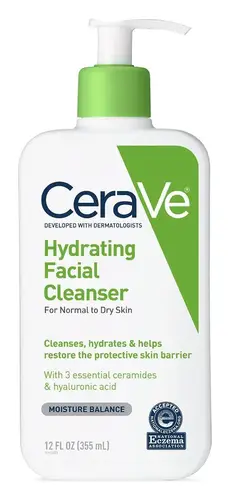
This anti-aging lip moisturizer is formulated around Palmitoyl Hexapeptide-12 and Palmitoyl Tripeptide-1 to soften the look of wrinkles and hydrate lips.
This anti-aging lip moisturizer is formulated around Petrolatum and Butyrospermum Parkii Butter to soften the look of wrinkles and hydrate lips.


What's inside
What's inside
 Key Ingredients
Benefits
Concerns
Ingredients Side-by-side
Polybutene
Hydrogenated Polydecene
EmollientBis-Diglyceryl Polyacyladipate-2
Emollient


Hydrogenated Styrene/Isoprene Copolymer
Cera Microcristallina
Emulsion StabilisingSilica
Abrasive


Rubus Chamaemorus Seed Oil
Skin Conditioning
Garcinia Indica Seed Butter
Skin Conditioning
Euterpe Oleracea Sterols
Skin ConditioningPalmitoyl Hexapeptide-12
Skin Conditioning

Palmitoyl Tripeptide-1
Skin Conditioning

Tocopheryl Acetate
Antioxidant


Tocopherol
Antioxidant


Irvingia Gabonensis Kernel Butter
Skin Conditioning
Citrus Aurantium Dulcis Peel Wax
Skin ConditioningLinoleic Acid
Cleansing
Linolenic Acid
Cleansing

Oleic Acid
Emollient


Lactic Acid
Buffering

Helianthus Annuus Seed Oil
Emollient
Caprylic/Capric Triglyceride
Masking
Copernicia Cerifera Cera
Emollient
Hydrogenated Coco-Glycerides
Emollient
Sorbitan Isostearate
Emulsifying
Pentaerythrityl Tetraisostearate
Emollient
Pentaerythrityl Tetra-Di-T-Butyl Hydroxyhydrocinnamate
Antioxidant
Octyldodecanol
Emollient
Ethylhexyl Palmitate
Emollient
Dicalcium Phosphate
Abrasive
Tribehenin
Emollient
Propylene Carbonate
SolventStearalkonium Hectorite
Gel FormingSodium Saccharin
MaskingParfum
Masking
Benzaldehyde
Masking
Citrus Aurantium Peel Oil
Geranyl Acetate
Perfuming
Limonene
Perfuming
Pinene
Masking
Terpineol
Masking
CI 77491
Cosmetic ColorantCI 77492
Cosmetic ColorantCI 77891
Cosmetic ColorantPolybutene, Hydrogenated Polydecene, Bis-Diglyceryl Polyacyladipate-2, Hydrogenated Styrene/Isoprene Copolymer, Cera Microcristallina, Silica, Rubus Chamaemorus Seed Oil, Garcinia Indica Seed Butter, Euterpe Oleracea Sterols, Palmitoyl Hexapeptide-12, Palmitoyl Tripeptide-1, Tocopheryl Acetate, Tocopherol, Irvingia Gabonensis Kernel Butter, Citrus Aurantium Dulcis Peel Wax, Linoleic Acid, Linolenic Acid, Oleic Acid, Lactic Acid, Helianthus Annuus Seed Oil, Caprylic/Capric Triglyceride, Copernicia Cerifera Cera, Hydrogenated Coco-Glycerides, Sorbitan Isostearate, Pentaerythrityl Tetraisostearate, Pentaerythrityl Tetra-Di-T-Butyl Hydroxyhydrocinnamate, Octyldodecanol, Ethylhexyl Palmitate, Dicalcium Phosphate, Tribehenin, Propylene Carbonate, Stearalkonium Hectorite, Sodium Saccharin, Parfum, Benzaldehyde, Citrus Aurantium Peel Oil, Geranyl Acetate, Limonene, Pinene, Terpineol, CI 77491, CI 77492, CI 77891
Ethylhexyl Methoxycinnamate 7.5%
UV Absorber

Benzophenone-3 5%
UV Absorber
Hydrogenated Polyisobutene
EmollientPetrolatum
Emollient
Polybutene
Phenyl Trimethicone
Skin Conditioning
Hydrogenated Lanolin
EmollientOzokerite
Emulsion StabilisingMyristyl Myristate
Emollient
Polyethylene
Abrasive
Cetyl Lactate
EmollientButyrospermum Parkii Butter
Skin Conditioning
Bis-Behenyl/Isostearyl/Phytosteryl Dimer Dilinoleyl Dimer Dilinoleate
EmollientEuphorbia Cerifera Wax
Silica
Abrasive
Zinc
Antioxidant

Stearoxymethicone/Dimethicone Copolymer
Emollient
Copernicia Cerifera Wax
Ethylhexyl Palmitate
Emollient
Synthetic Wax
Abrasive
Tribehenin
Emollient
Sorbitan Isostearate
Emulsifying
Palmitoyl Oligopeptide
Cleansing
Pentaerythrityl Tetra-Di-T-Butyl Hydroxyhydrocinnamate
Antioxidant
Isopropyl Titanium Triisostearate
Emollient
Aluminum Hydroxide
EmollientStearic Acid
Cleansing
Copper Powder
AntimicrobialMica
Cosmetic ColorantTitanium Dioxide
Cosmetic Colorant
Iron Oxides
CI 15850
Cosmetic ColorantEthylhexyl Methoxycinnamate 7.5%, Benzophenone-3 5%, Hydrogenated Polyisobutene, Petrolatum, Polybutene, Phenyl Trimethicone, Hydrogenated Lanolin, Ozokerite, Myristyl Myristate, Polyethylene, Cetyl Lactate, Butyrospermum Parkii Butter, Bis-Behenyl/Isostearyl/Phytosteryl Dimer Dilinoleyl Dimer Dilinoleate, Euphorbia Cerifera Wax, Silica, Zinc, Stearoxymethicone/Dimethicone Copolymer, Copernicia Cerifera Wax, Ethylhexyl Palmitate, Synthetic Wax, Tribehenin, Sorbitan Isostearate, Palmitoyl Oligopeptide, Pentaerythrityl Tetra-Di-T-Butyl Hydroxyhydrocinnamate, Isopropyl Titanium Triisostearate, Aluminum Hydroxide, Stearic Acid, Copper Powder, Mica, Titanium Dioxide, Iron Oxides, CI 15850
Reviews
Ingredients Explained
These ingredients are found in both products.
Ingredients higher up in an ingredient list are typically present in a larger amount.
Ethylhexyl Palmitate, also known as octyl palmitate, is created from 2-ethylhexyl alcohol and palmitic acid.
In cosmetics, it plays many roles:
One thing worth noting: a controlled study found this ingredient applied under occlusion to acne-prone subjects increased microcomedones. Just keep in mind this was under occlusive conditions and don't reflect how most products are used day-to-day.
For most people, this is a well-tolerated and lightweight ingredient.
This ingredient may not be fungal acne safe because it is an ester of palmitic acid, a C16 fatty acid that falls within the C11-24 range that Malassezia can metabolize.
You'll see this one rated 4 comedogenic all over the internet. That number isn't from a single study, and the actual research is more interesting.
The original rating comes from 1980s rabbit ear tests (which are a shaky basis for anything). But Ethylhexyl Palmitate is one of the few ingredients with real human data behind it. A 2021 controlled trial found this ingredient increased microcomedones by an average of 365% over four weeks.
Just know that test used the pure ingredient under an occlusive pad on back skin; most products use it at much lower levels alongside other ingredients and plenty of people use those with no issue.
Learn more about Ethylhexyl PalmitatePentaerythrityl Tetra-Di-T-Butyl Hydroxyhydrocinnamate (long name, huh?) is a synthetic antioxidant.
It is used to help stabilize other antioxidants or prevent the color from changing in a product.
As an antioxidant, it helps fight free-radical molecules. Free-radical molecules are capable of damaging our cells and other genetic material. Thus, antioxidants may reduce the signs of aging.
This ingredient is oil-soluble.
Learn more about Pentaerythrityl Tetra-Di-T-Butyl HydroxyhydrocinnamatePolybutene is used to help control the viscosity of a product. This just means it helps adjusts the texture.
It is a polymer and does not get absorbed into the skin due to its large size.
Studies found this ingredient did not irritate skin in concentrations below 15%.
Learn more about PolybuteneSilica, also known as silicon dioxide, is a naturally occurring mineral. It is used as a fine, spherical, and porous powder in cosmetics.
Though it has exfoliant properties, the function of silica varies depending on the product.
The unique structure of silica enhances the spreadability and adds smoothness, making it a great texture enhancer.
It is also used as an active carrier, emulsifier, and mattifier due to its ability to absorb excess oil.
In some products, tiny microneedles called spicules are made from silica or hydrolyzed sponge. When you rub them in, they lightly polish away dead skin layers and enhance the penetration of active ingredients.
Learn more about SilicaSorbitan Isostearate is an emulsifer. It is created from isostearic acid and sorbitol.
As an emulsifier, it keeps the water and oil ingredients from separating. This keeps formulas stable and smooth.
In a 24 hour occlusive patch test on 56 subjects, 10% sorbitan isostearate was completely non-irritating. Most formulas use less than 10%.
Because it's a fatty acid ester, it may not be fungal acne safe since the Malassezia yeast can utilize it as a nutrient source.
Learn more about Sorbitan IsostearateTribehenin is the triglyceride of glycerin and behenic acid. It is an emollient that helps soften and condition skin.
Safety-wise, this is a well-vetted ingredient. Repeated-insult patch tests of 0.38% tribehenin did not trigger sensitization.
This ingredient may not be fungal acne safe because behenic acid falls into the chain-length range that Malassezia yeasts can feed on.
Learn more about Tribehenin