Olehenriksen Pout Preserve Peptide Lip Treatment Versus Covergirl Clean Fresh Squishy Glaze Lip Butter Balm
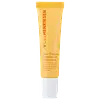
This anti-aging lip moisturizer is formulated around Bis-Diglyceryl Polyacyladipate-2 and Palmitoyl Hexapeptide-12 to soften the look of wrinkles and hydrate lips.
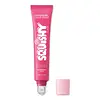
This barrier-repair lip moisturizer is formulated around Ricinus Communis Seed Oil and Squalane to strengthen the lip barrier and hydrate lips.


What's inside
What's inside
 Key Ingredients
Benefits
Concerns
Ingredients Side-by-side
Polybutene
Hydrogenated Polydecene
EmollientBis-Diglyceryl Polyacyladipate-2
Emollient


Hydrogenated Styrene/Isoprene Copolymer
Cera Microcristallina
Emulsion StabilisingSilica
Abrasive


Rubus Chamaemorus Seed Oil
Skin Conditioning
Garcinia Indica Seed Butter
Skin Conditioning
Euterpe Oleracea Sterols
Skin ConditioningPalmitoyl Hexapeptide-12
Skin Conditioning

Palmitoyl Tripeptide-1
Skin Conditioning

Tocopheryl Acetate
Antioxidant


Tocopherol
Antioxidant


Irvingia Gabonensis Kernel Butter
Skin Conditioning
Citrus Aurantium Dulcis Fruit Extract
MaskingLinoleic Acid
Cleansing
Linolenic Acid
Cleansing

Oleic Acid
Emollient


Lactic Acid
Buffering

Helianthus Annuus Seed Oil
Emollient
Caprylic/Capric Triglyceride
Masking
Copernicia Cerifera Wax
Hydrogenated Coco-Glycerides
Emollient
Sorbitan Isostearate
Emulsifying
Pentaerythrityl Tetraisostearate
Emollient
Pentaerythrityl Tetra-Di-T-Butyl Hydroxyhydrocinnamate
Antioxidant
Octyldodecanol
Emollient
Ethylhexyl Palmitate
Emollient
Dicalcium Phosphate
Abrasive
Tribehenin
Emollient
Propylene Carbonate
SolventStearalkonium Hectorite
Gel FormingParfum
Masking
Citral
Perfuming
Limonene
Perfuming
Linalool
Perfuming
Iron Oxides
CI 77891
Cosmetic ColorantPolybutene, Hydrogenated Polydecene, Bis-Diglyceryl Polyacyladipate-2, Hydrogenated Styrene/Isoprene Copolymer, Cera Microcristallina, Silica, Rubus Chamaemorus Seed Oil, Garcinia Indica Seed Butter, Euterpe Oleracea Sterols, Palmitoyl Hexapeptide-12, Palmitoyl Tripeptide-1, Tocopheryl Acetate, Tocopherol, Irvingia Gabonensis Kernel Butter, Citrus Aurantium Dulcis Fruit Extract, Linoleic Acid, Linolenic Acid, Oleic Acid, Lactic Acid, Helianthus Annuus Seed Oil, Caprylic/Capric Triglyceride, Copernicia Cerifera Wax, Hydrogenated Coco-Glycerides, Sorbitan Isostearate, Pentaerythrityl Tetraisostearate, Pentaerythrityl Tetra-Di-T-Butyl Hydroxyhydrocinnamate, Octyldodecanol, Ethylhexyl Palmitate, Dicalcium Phosphate, Tribehenin, Propylene Carbonate, Stearalkonium Hectorite, Parfum, Citral, Limonene, Linalool, Iron Oxides, CI 77891
Polybutene
Hydrogenated Polyisobutene
EmollientRicinus Communis Seed Oil
Masking
Tridecyl Trimellitate
EmollientCoco-Caprylate/Caprate
Emollient
Squalane
Emollient
Di-PPG-3 Myristyl Ether Adipate
EmollientMica
Cosmetic ColorantSynthetic Wax
Abrasive
Butyrospermum Parkii Butter
Skin Conditioning
Parfum
Masking
Silica
Abrasive
Linoleic Acid
Cleansing
Sodium Hyaluronate
Humectant
Tocopheryl Acetate
Antioxidant
Oleic Acid
Emollient
Hydrogenated Castor Oil
Emollient
Zingiber Officinale Root Extract
Masking
Palmitic Acid
Emollient
Stearic Acid
Cleansing
Vanillin
Masking
Tocopherol
Antioxidant
Linolenic Acid
Cleansing
CI 15850
Cosmetic ColorantCI 19140
Cosmetic ColorantPolybutene, Hydrogenated Polyisobutene, Ricinus Communis Seed Oil, Tridecyl Trimellitate, Coco-Caprylate/Caprate, Squalane, Di-PPG-3 Myristyl Ether Adipate, Mica, Synthetic Wax, Butyrospermum Parkii Butter, Parfum, Silica, Linoleic Acid, Sodium Hyaluronate, Tocopheryl Acetate, Oleic Acid, Hydrogenated Castor Oil, Zingiber Officinale Root Extract, Palmitic Acid, Stearic Acid, Vanillin, Tocopherol, Linolenic Acid, CI 15850, CI 19140
Reviews
Ingredients Explained
These ingredients are found in both products.
Ingredients higher up in an ingredient list are typically present in a larger amount.
Linoleic Acid is also known as Vitamin F. It is a fatty acid with emollient and skin conditioning properties.
Our top layer of skin, or epidermis, naturally contains high amounts of linoleic acid.
Your body uses linoleic acid to build ceramides and prostaglandins. Ceramides keep your skin's barrier hydrated and strong while prosaglandins help control inflammation and healing.
Needless to say, linoleic acid is crucial for having a strong skin barrier.
One study found applying linoleic acid rich sunflower oil to be more effective at repairing the skin barrier than olive oil.
This ingredient can also help treat acne by softening sebum to prevent clogged pores. Another study found using 2.5% linoleic acid gel for 4 weeks showed a 25% reduction in small comedones.
Studies show it can also help lighten hyperpigmentation or sun spots by disrupting the melanin production process. It also helps your skin shed melanin pigment from your skin caused by UV exposure.
Due to its role in the production of the fatty acid prostaglandin, linoleic acid can also help reduce inflammation and support wound healing.
Fun fact: Linoleic acid is an essential fatty acid. This means our bodies cannot create it on its own and we need to get it through foods such as nuts and vegetable oils.
Just know this ingredient is not always fungal-acne safe because it is a long-chain fatty acid (with 18 carbon atoms) that directly feeds the Malassezia yeast responsible for fungal acne.
Learn more about Linoleic AcidLinolenic Acid is also known as "ALA" or alpha-linolenic acid. It is a key fatty acid.
Our skin uses this ingredient for maintaining a healthy skin barrier, regulating inflammation, and supporting keratinocyte function.
ALA is a great skin hydrator because it has the ability to restore lipids in our stratum corneum, or outermost layer of our skin; it also helps prevent transepidermal water loss.
This ingredient also helps soothe irritated skin by downregulating inflammation.
Chia seed oil is one of the highest natural sources of ALA. Research shows topical chia seed oil significantly improves skin hydration, reduces itch, and strengthens the barrier in both healthy and extremely dry skin.
Additionally, in-vivo and in-vitro studies show ALA exhibits antioxidant properties, reduces UV-induced inflammation, and supports wound healing.
Early research showed a fatty-acid deficiency in animals leads to abnormal skin barrier function. It is believed a deficiency in linolenic acid may be linked to skin disorders like eczema.
Fun fact: This ingredient is considered an essential fatty acid for humans. This means our bodies cannot naturally produce it and we must get it from food. Some foods rich in linolenic acid include walnuts, fish oils, soy, and canola.
Learn more about Linolenic AcidOleic Acid is an Omega-9 fatty acid that can be found naturally in your skin's sebum and in many plant oils such as avocado and olive oil.
It is an emollient that helps soften skin and prevent moisture loss.
Research shows:
A 1998 study did find that applying oleic acid at higher concentrations may cause irritation and disrupt the skin barrier. Modern formulations typically use low levels that is well-tolerated.
The culprit behind fungal acne, the Malassezia yeast, feeds on fatty acids with carbon chain lengths between C11-C24. Oleic Acid, at C18, falls right into that sweet spot.
In vitro studies have shown that Oleic Acid is one of the fatty acids that induce rapid Malassezia growth in lab settings.
Oleic Acid is widely listed with a comedogenic rating but no published study has ever actually assigned it one.
The 0 to 5 scale everyone quotes comes from Fulton's 1989 survey in the Journal of the Society of Cosmetic Chemists and Oleic Acid does not appear in his fatty acid tables at all; what he did test were related ingredients built from it, like Decyl Oleate and Oleyl Alcohol (which did get ratings).
Somewhere along the way people seem to have borrowed those numbers for Oleic Acid itself.
So why is it considered comedogenic? Oleic Acid has been studied. Researchers in 1971 and 1983 applied it to rabbit ears (the standard test back then) and it did clog pores. The 1983 study also found something useful: oxidized Oleic Acid, meaning the kind that's gone rancid, clogged pores noticeably more than fresh Oleic Acid did.
It's just worth keeping in mind that these tests used rabbit skin which reacts more easily than ours. They also used much higher concentrations than you'd ever find in a real product.
A 2006 study on actual people found finished products made with comedogenic ingredients often turn out not to be comedogenic at all. As always, listen to your skin.
Learn more about Oleic AcidParfum is a catch-all term for an ingredient or more that is used to give a scent to products.
Also called "fragrance", this ingredient can be a blend of hundreds of chemicals or plant oils. This means every product with "fragrance" or "parfum" in the ingredients list is a different mixture.
For instance, Habanolide is a proprietary trade name for a specific aroma chemical. When used as a fragrance ingredient in cosmetics, most aroma chemicals fall under the broad labeling category of “FRAGRANCE” or “PARFUM” according to EU and US regulations.
The term 'parfum' or 'fragrance' is not regulated in many countries. In many cases, it is up to the brand to define this term.
For instance, many brands choose to label themselves as "fragrance-free" because they are not using synthetic fragrances. However, their products may still contain ingredients such as essential oils that are considered a fragrance by INCI standards.
One example is Calendula flower extract. Calendula is an essential oil that still imparts a scent or 'fragrance'.
Depending on the blend, the ingredients in the mixture can cause allergies and sensitivities on the skin. Some ingredients that are known EU allergens include linalool and citronellol.
Parfum can also be used to mask or cover an unpleasant scent.
The bottom line is: not all fragrances/parfum/ingredients are created equally. If you are worried about fragrances, we recommend taking a closer look at an ingredient. And of course, we always recommend speaking with a professional.
Learn more about ParfumPolybutene is used to help control the viscosity of a product. This just means it helps adjusts the texture.
It is a polymer and does not get absorbed into the skin due to its large size.
Studies found this ingredient did not irritate skin in concentrations below 15%.
Learn more about PolybuteneSilica, also known as silicon dioxide, is a naturally occurring mineral. It is used as a fine, spherical, and porous powder in cosmetics.
Though it has exfoliant properties, the function of silica varies depending on the product.
The unique structure of silica enhances the spreadability and adds smoothness, making it a great texture enhancer.
It is also used as an active carrier, emulsifier, and mattifier due to its ability to absorb excess oil.
In some products, tiny microneedles called spicules are made from silica or hydrolyzed sponge. When you rub them in, they lightly polish away dead skin layers and enhance the penetration of active ingredients.
Learn more about SilicaTocopherol is a fat-soluble antioxidant known as Vitamin E.
You'll find this ingredient in the vast majority of skincare (for good reason). It works to neutralize free radicals, or unstable molecules generated by UV exposure, pollution, and other environmental stressors, before they can cause oxidative damage to your skin cells.
Topically applied tocopherol has been shown to protect against UV damage by ramping up the skin's own natural defense enzymes.
It also acts as a skin conditioning agent; some studies show that regular topical use can improve the skin's water-binding capacity over 2-4 weeks.
This ingredient is especially loved for being a team player. When combined with Vitamin C, the photoprotective effect of both ingredients roughly doubles and the combo also helps reduce UV-induced DNA damage.
This ingredient has some brightening potential but it's more of a prevention ingredient than spot-fader. Cell studies show it can slow down melanin production but it's worth noting that it's not the most powerful brightener out there.
In formulations, it also serves as a stabilizer that helps protect other oxidation-prone ingredients from degrading.
Concentrations usually range from 0.1-1% in most leave-on products.
Learn more about TocopherolTocopheryl Acetate is a stable, shelf-friendly form of vitamin E.
Formulators love it because plain vitamin E oxidizes quickly once it hits air. This acetate version stays stable and resists going off, helping to extend a product's shelf life.
It's actually inactive on its own and works like a slow-release "storage" form; the enzymes in your skin called esterases gradually convert it into active vitamin E over time.
One in vivo study showed 5% of the acetate in the living layer of the epidermis converted to vitamin E after 5 days of application. This study also found the skin gained protection against UV damage even though the conversion was slow and small.
Once converted, vitamin E acts as a skin's main fat-soluble antioxidant that fights free radicals to protect skin from damage.
Topical vitamin E generally boosts the skin's photoprotection, and it reduced UV-damage in animal models.
This ingredient has some brightening potential but it's more of a prevention ingredient than spot-fader. Cell studies show it can slow down melanin production but it's worth noting that it's not the most powerful brightener out there.
Overall, it has a pretty solid safety profile and has been found to be non-irritating and non-comedogenic. Allergic reactions may happen but stay rare due to how widely the ingredient gets used.
The concentration will vary depending on the formula; industry data shows 0.1% in baby lotions, 3% in lipsticks, and 5% in foot powders. You can also find this ingredient at 100% in a pure vitamin E oil.
Most leave-on skincare keeps it at the lower end, often between 0.5-1%.
Learn more about Tocopheryl Acetate

