Olay Complete All Day Moisturizer Sensitive Skin SPF 15 Versus Aveeno Positively Radiant Daily Moisturizer SPF 15
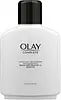
This calming day moisturizer is formulated around Aloe Barbadensis Leaf Extract and Tocopheryl Acetate to calm redness and hydrate skin.
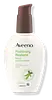
This brightening moisturizer is formulated around Glycine Soja Seed Extract and Panthenol to fade the look of dark spots and hydrate skin.

What's inside
What's inside
 Key Ingredients
Benefits
Concerns
Ingredients Side-by-side
Ethylhexyl Methoxycinnamate 6%
UV Absorber


Zinc Oxide
Cosmetic Colorant
Water
Skin ConditioningGlycerin
Humectant


Isohexadecane
EmollientAloe Barbadensis Leaf Extract
Emollient

Tocopheryl Acetate
Antioxidant


Steareth-21
CleansingCyclopentasiloxane
Emollient
Polyacrylamide
Stearyl Alcohol
Emollient


C13-14 Isoparaffin
Emollient
Behenyl Alcohol
Emollient
DMDM Hydantoin
Preservative

Cetyl Alcohol
Emollient
PEG/PPG-20/20 Dimethicone
Emulsifying
Laureth-7
EmulsifyingSteareth-2
EmulsifyingDisodium EDTA
ChelatingTriethoxycaprylylsilane
Oleth-3 Phosphate
SurfactantBHT
Antioxidant
Iodopropynyl Butylcarbamate
Preservative
Ethylhexyl Methoxycinnamate 6%, Zinc Oxide, Water, Glycerin, Isohexadecane, Aloe Barbadensis Leaf Extract, Tocopheryl Acetate, Steareth-21, Cyclopentasiloxane, Polyacrylamide, Stearyl Alcohol, C13-14 Isoparaffin, Behenyl Alcohol, DMDM Hydantoin, Cetyl Alcohol, PEG/PPG-20/20 Dimethicone, Laureth-7, Steareth-2, Disodium EDTA, Triethoxycaprylylsilane, Oleth-3 Phosphate, BHT, Iodopropynyl Butylcarbamate
Butyl Methoxydibenzoylmethane 3%
UV Absorber
Homosalate 11.5%
Skin Conditioning
Ethylhexyl Salicylate 5%
UV Absorber
Octocrylene 3%
UV Absorber
Water
Skin ConditioningC12-15 Alkyl Benzoate
AntimicrobialGlycine Soja Seed Extract
Skin Conditioning
Dimethicone
Emollient
Cetearyl Alcohol
Emollient
Glycerin
Humectant
Phenyl Trimethicone
Skin Conditioning
Phenoxyethanol
Preservative
Steareth-2
EmulsifyingSilica
Abrasive

Panthenol
Skin Conditioning
Arachidyl Alcohol
Emollient
Ethylene/Acrylic Acid Copolymer
Emulsion StabilisingCetearyl Glucoside
Emulsifying
Steareth-21
CleansingParfum
Masking

Polyacrylate-13
Behenyl Alcohol
Emollient
1,2-Hexanediol
Skin Conditioning
Caprylyl Glycol
Emollient
Chlorphenesin
Antimicrobial
Disodium EDTA
ChelatingPolyisobutene
Arachidyl Glucoside
EmulsifyingPentaerythrityl Tetra-Di-T-Butyl Hydroxyhydrocinnamate
Antioxidant
Polysorbate 20
Emulsifying
Tropolone
Skin ConditioningTitanium Dioxide
Cosmetic Colorant
Mica
Cosmetic ColorantButyl Methoxydibenzoylmethane 3%, Homosalate 11.5%, Ethylhexyl Salicylate 5%, Octocrylene 3%, Water, C12-15 Alkyl Benzoate, Glycine Soja Seed Extract, Dimethicone, Cetearyl Alcohol, Glycerin, Phenyl Trimethicone, Phenoxyethanol, Steareth-2, Silica, Panthenol, Arachidyl Alcohol, Ethylene/Acrylic Acid Copolymer, Cetearyl Glucoside, Steareth-21, Parfum, Polyacrylate-13, Behenyl Alcohol, 1,2-Hexanediol, Caprylyl Glycol, Chlorphenesin, Disodium EDTA, Polyisobutene, Arachidyl Glucoside, Pentaerythrityl Tetra-Di-T-Butyl Hydroxyhydrocinnamate, Polysorbate 20, Tropolone, Titanium Dioxide, Mica
Reviews
Ingredients Explained
These ingredients are found in both products.
Ingredients higher up in an ingredient list are typically present in a larger amount.
Behenyl Alcohol is a type of fatty alcohol (these are different from the drying, solvent alcohols).
Fatty Alcohols have hydrating properties and are most often used as an emollient or to thicken a product. They are usually derived from natural fats and oils; behenyl alcohol is derived from the fats of vegetable oils.
Emollients help keep your skin soft and hydrated by creating a film that traps moisture in.
In 2000, Behenyl Alcohol was approved by the US as medicine to reduce the duration of cold sores.
Learn more about Behenyl AlcoholDisodium EDTA is a chelating agent. It grabs onto and deactivates metal ions that sneak into your products from water, packaging, or air.
This ingredient mainly works behind the scenes and helps with:
On top of that, this ingredient can counteract the effects of hard water by binding to the minerals in it.
One thing worth knowing is that Disodium EDTA has been shown to be a mild penetration enhancer. It can help other ingredients absorb into skin more effectively which can be a double-edged sword (great for actives, but can also make the active too strong if you have sensitive skin).
Clinical patch testing showed no significant skin irritation at typical use concentrations and minimal dermal absorption.
You'll most likely see this ingredient near the end of an ingredient list. It's typically found in concentrations less than 1%.
Learn more about Disodium EDTAGlycerin (or glycerol) is a compound naturally found in your skin. It's a powerhouse humectant that pulls water into the stratum corneum.
Topically, glycerin does several things at once:
Your skin makes glycerin on its own (mostly from sebaceous oil breakdown) and shuttles it to your outermost layer of skin, or your epidermis, via aquaporin-3.
Aquaporin-3 is a transporter that is essential for normal skin hydration, elasticity, and repair. Interestingly, mice lacking in AQP3 have dry and less elastic skin that can be fully corrected with glycerin.
This ingredient is non-irritating, plays well with almost every ingredient, and works across all skin types. Typical use is anywhere between 3-10% but can go up to 79% in some leave-on products.
Just know very high concentrations (>40%) can feel tacky in low humidity.
Glycerin is the name for this ingredient in American English. British English uses Glycerol/Glycerine.
Learn more about GlycerinSteareth-2 is a waxy compound used to emulsify ingredients. It is created from polyethylene glycol and stearyl alcohol. The 2 stands for the number of ethylene oxide units used to create this ingredient.
Due to the low degree of ethoxylation, the molecule stays mostly oil-loving. That's why you'll often see it paired with water-loving steareth-20 or steareth-21 to create elegant emulsions.
In testing, this ingredient was nontoxic in acute oral studies and not a skin irritant or sensitizer.
You might hear concerns about 1,4-dioxane as a byproduct of ethoxylation; this is well-known in the industry and is controlled through purification steps before the ingredient is blended into finished products.
Learn more about Steareth-2Steareth-21 is a nonionic emulsifier made by reacting stearyl alcohol with 21 units of ethylene oxide. It is mainly a cleansing agent and emulsifier.
The "21" in the name just tells you it has a longer water-loving chain. This makes it more gentle and less likely to irritate skin compared to lower-numbered steareths.
You'll most likely see it paired with steareth-2 because the two work together to create stable formulations.
1,4-dioxane is often brought up as a concern but this is usually removed through purification.
Learn more about Steareth-21Water. It's the most common cosmetic ingredient of all. You'll usually see it at the top of ingredient lists, meaning that it makes up the largest part of the product.
So why is it so popular? Water most often acts as a solvent - this means that it helps dissolve other ingredients into the formulation.
You'll also recognize water as that liquid we all need to stay alive. If you see this, drink a glass of water. Remember to stay hydrated!
Learn more about Water

