
What's inside
What's inside
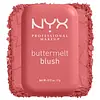 Key Ingredients
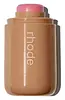
Benefits
Concerns
Ingredients Side-by-side
Mica
Cosmetic ColorantCI 77891
Cosmetic ColorantTalc
Abrasive
Silica
Abrasive

Lauroyl Lysine
Skin Conditioning
Trimethylsiloxyphenyl Dimethicone

Ethylhexyl Palmitate
Emollient




Zinc Stearate
Cosmetic ColorantCI 15850
Cosmetic ColorantCI 45410
Cosmetic ColorantOctyldodecanol
Emollient
Mangifera Indica Seed Butter
Skin Conditioning
Helianthus Annuus Seed Oil
Emollient

Prunus Amygdalus Dulcis Oil
Skin Conditioning
Butyrospermum Parkii Butter
Skin Conditioning
Aroma


Caprylyl Glycol
Emollient
Isostearyl Isostearate
Emollient
Octyldodecyl Stearoyl Stearate
Emollient
Tocopherol
Antioxidant





Phenoxyethanol
Preservative
Linalool
Perfuming

Limonene
Perfuming
Mica, CI 77891, Talc, Silica, Lauroyl Lysine, Trimethylsiloxyphenyl Dimethicone, Ethylhexyl Palmitate, Zinc Stearate, CI 15850, CI 45410, Octyldodecanol, Mangifera Indica Seed Butter, Helianthus Annuus Seed Oil, Prunus Amygdalus Dulcis Oil, Butyrospermum Parkii Butter, Aroma, Caprylyl Glycol, Isostearyl Isostearate, Octyldodecyl Stearoyl Stearate, Tocopherol, Phenoxyethanol, Linalool, Limonene
Octyldodecanol
Emollient
Synthetic Wax
Abrasive
Hydrogenated Polyisobutene
EmollientCetyl Ethylhexanoate
EmollientPolyglyceryl-2 Triisostearate
Emulsifying
Hydrogenated Poly(C6-14 Olefin)
EmollientBis-Diglyceryl Polyacyladipate-2
Emollient
Kaolin
Abrasive
Silica
Abrasive
Magnesium/Potassium/Silicon/Fluoride/Hydroxide/Oxide
Glycerin
Humectant
Calophyllum Inophyllum Seed Oil
Antimicrobial
Palmitoyl Tripeptide-1
Skin Conditioning

Palmitoyl Tripeptide-5
Skin Conditioning
Caprylyl Glycol
Emollient
Caprylic/Capric Triglyceride
Masking
Glyceryl Caprylate
EmollientPentaerythrityl Tetraisostearate
Emollient
Aluminum Hydroxide
EmollientTriethoxycaprylylsilane
Water
Skin ConditioningPropylene Carbonate
SolventLauryl Polyglyceryl-3 Polydimethylsiloxyethyl Dimethicone
Skin Conditioning
Stearalkonium Hectorite
Gel FormingEthylhexylglycerin
Skin ConditioningCI 77891
Cosmetic ColorantIron Oxides
CI 45410
Cosmetic ColorantCI 42090
Cosmetic ColorantOctyldodecanol, Synthetic Wax, Hydrogenated Polyisobutene, Cetyl Ethylhexanoate, Polyglyceryl-2 Triisostearate, Hydrogenated Poly(C6-14 Olefin), Bis-Diglyceryl Polyacyladipate-2, Kaolin, Silica, Magnesium/Potassium/Silicon/Fluoride/Hydroxide/Oxide, Glycerin, Calophyllum Inophyllum Seed Oil, Palmitoyl Tripeptide-1, Palmitoyl Tripeptide-5, Caprylyl Glycol, Caprylic/Capric Triglyceride, Glyceryl Caprylate, Pentaerythrityl Tetraisostearate, Aluminum Hydroxide, Triethoxycaprylylsilane, Water, Propylene Carbonate, Lauryl Polyglyceryl-3 Polydimethylsiloxyethyl Dimethicone, Stearalkonium Hectorite, Ethylhexylglycerin, CI 77891, Iron Oxides, CI 45410, CI 42090
Reviews
Ingredients Explained
These ingredients are found in both products.
Ingredients higher up in an ingredient list are typically present in a larger amount.
Caprylyl Glycol is a humectant, skin conditioner, emollient, and preservative booster derived from either caprylic acid or synthetically created.
Typical use levels vary from 0.3-1% as a preservative booster and go up to 2% to condition skin.
Because it is not a free-fatty acid, this ingredient is fungal acne safe (there's nothing for Malassezia to feed on).
Learn more about Caprylyl GlycolCI 45410 is a synthetic red-pigment and dye.
It often goes by both Red 28 or Red 27; manufacturers label both ingredients as CI 45410.
This dye is commonly found in makeup because it imparts a vivid color. Some types of this dye change color based on pH level and interaction with moisture:
Your skin has a natural pH of around 4.5 - 5.5.
According to the FDA, CI 45410 is not permitted for use in eye products.
Red 27 is a flourescein dye and commonly used as a fluorescent tracer in medicine.
Learn more about CI 45410Ci 77891 is a white pigment from Titanium dioxide. It is naturally found in minerals such as rutile and ilmenite.
It's main function is to add a white color to cosmetics. It can also be mixed with other colors to create different shades.
Ci 77891 is commonly found in sunscreens due to its ability to block UV rays.
Learn more about CI 77891Octyldodecanol is a fatty alcohol sourced from plant oils like coconut or palm (or made synthetically).
It is:
You'll likely see this in many BHA products because this is the go-to solvent for salicylic acid.
This ingredient is typically used at levels between 2-20%.
Regarding fungal acne:
In 2019, this ingredient was tested against multiple Malassezia species (the yeast that causes fungal acne) and showed no growth.
Silica, also known as silicon dioxide, is a naturally occurring mineral. It is used as a fine, spherical, and porous powder in cosmetics.
Though it has exfoliant properties, the function of silica varies depending on the product.
The unique structure of silica enhances the spreadability and adds smoothness, making it a great texture enhancer.
It is also used as an active carrier, emulsifier, and mattifier due to its ability to absorb excess oil.
In some products, tiny microneedles called spicules are made from silica or hydrolyzed sponge. When you rub them in, they lightly polish away dead skin layers and enhance the penetration of active ingredients.
Learn more about Silica

