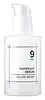
This anti-aging serum is formulated around Niacinamide and Palmitoyl Tripeptide-5 to soften the look of wrinkles.
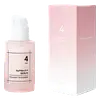
This anti-aging serum is formulated around Collagen Extract and Niacinamide to soften the look of wrinkles and hydrate skin.

What's inside
What's inside
 Key Ingredients
Benefits
Concerns
Ingredients Side-by-side
Water
Skin ConditioningGlycerin
Humectant


Hydrogenated Poly(C6-14 Olefin)
EmollientPropanediol
Solvent
Pentaerythrityl Tetraethylhexanoate
Emollient
Niacinamide
Smoothing









Dimethicone
Emollient
Butylene Glycol
Humectant
Butyrospermum Parkii Butter
Skin Conditioning




Hydrogenated Vegetable Oil
Emollient
Hydroxypropyltrimonium Hyaluronate
Hydrolyzed Hyaluronic Acid
Humectant
Palmitoyl Tripeptide-5
Skin Conditioning
Acetyl Hexapeptide-8
Humectant
Lavandula Angustifolia Oil
Masking



Citrus Aurantium Dulcis Peel Oil
Masking
Rosmarinus Officinalis Leaf Oil
Masking
Cedrus Atlantica Bark Oil
Masking
Adenosine
Skin Conditioning
Glyceryl Stearate Citrate
Emollient
Polyglyceryl-3 Methylglucose Distearate
Emulsifying
Glyceryl Stearate
Emollient
Cetearyl Alcohol
Emollient

Palmitic Acid
Emollient
Stearic Acid
Cleansing
Dimethicone/Vinyl Dimethicone Crosspolymer
Skin Conditioning
Glyceryl Caprylate
EmollientSodium Polyacrylate
Absorbent
Xanthan Gum
EmulsifyingCaprylyl Glycol
Emollient
1,2-Hexanediol
Skin Conditioning
Ethylhexylglycerin
Skin ConditioningDisodium EDTA
ChelatingCarbomer
Emulsion StabilisingTromethamine
BufferingLinalool
Perfuming
Limonene
Perfuming
Water, Glycerin, Hydrogenated Poly(C6-14 Olefin), Propanediol, Pentaerythrityl Tetraethylhexanoate, Niacinamide, Dimethicone, Butylene Glycol, Butyrospermum Parkii Butter, Hydrogenated Vegetable Oil, Hydroxypropyltrimonium Hyaluronate, Hydrolyzed Hyaluronic Acid, Palmitoyl Tripeptide-5, Acetyl Hexapeptide-8, Lavandula Angustifolia Oil, Citrus Aurantium Dulcis Peel Oil, Rosmarinus Officinalis Leaf Oil, Cedrus Atlantica Bark Oil, Adenosine, Glyceryl Stearate Citrate, Polyglyceryl-3 Methylglucose Distearate, Glyceryl Stearate, Cetearyl Alcohol, Palmitic Acid, Stearic Acid, Dimethicone/Vinyl Dimethicone Crosspolymer, Glyceryl Caprylate, Sodium Polyacrylate, Xanthan Gum, Caprylyl Glycol, 1,2-Hexanediol, Ethylhexylglycerin, Disodium EDTA, Carbomer, Tromethamine, Linalool, Limonene
Collagen Extract 73%
Skin Conditioning
Butylene Glycol
Humectant
Water
Skin Conditioning1,2-Hexanediol
Skin Conditioning
Glycerin
Humectant
Glycereth-26
Humectant
Niacinamide
Smoothing
PEG-240/Hdi Copolymer Bis-Decyltetradeceth-20 Ether
StabilisingCaprylic/Capric Triglyceride
Masking
Methylpropanediol
SolventPolyglyceryl-3 Methylglucose Distearate
Emulsifying
Hydroxyethyl Urea
Humectant
Cellulose Gum
Emulsion StabilisingDicaprylyl Ether
Emollient
Caprylyl Methicone
Skin Conditioning
Glyceryl Polymethacrylate
Glyceryl Stearate
Emollient
Rose Extract
Skin ConditioningWine Extract
Antioxidant
Sucrose
Humectant
Adenosine
Skin Conditioning
Disodium EDTA
ChelatingMineral Salts
Skin ConditioningSodium Hyaluronate
Humectant
Potassium Laurate
EmulsifyingTocopherol
Antioxidant
Potassium Hyaluronate
Skin ConditioningEthylhexylglycerin
Skin ConditioningHydrolyzed Elastin
EmollientHydrolyzed Keratin
Humectant
Hydrolyzed Silk
Humectant
Hyaluronic Acid
Humectant
Hydrolyzed Hyaluronic Acid
Humectant
Sodium Acetylated Hyaluronate
Humectant
Hydroxypropyltrimonium Hyaluronate
Sodium Hyaluronate Crosspolymer
Humectant
Dimethylsilanol Hyaluronate
Humectant
Caprylyl Glycol
Emollient
Hydrogenated Lecithin
Emulsifying
Sodium Phosphate
BufferingPalmitoyl Tripeptide-5
Skin Conditioning
Acetyl Hexapeptide-8
Humectant
Oligopeptide-3
Skin Conditioning
Parfum
Masking
Collagen Extract 73%, Butylene Glycol, Water, 1,2-Hexanediol, Glycerin, Glycereth-26, Niacinamide, PEG-240/Hdi Copolymer Bis-Decyltetradeceth-20 Ether, Caprylic/Capric Triglyceride, Methylpropanediol, Polyglyceryl-3 Methylglucose Distearate, Hydroxyethyl Urea, Cellulose Gum, Dicaprylyl Ether, Caprylyl Methicone, Glyceryl Polymethacrylate, Glyceryl Stearate, Rose Extract, Wine Extract, Sucrose, Adenosine, Disodium EDTA, Mineral Salts, Sodium Hyaluronate, Potassium Laurate, Tocopherol, Potassium Hyaluronate, Ethylhexylglycerin, Hydrolyzed Elastin, Hydrolyzed Keratin, Hydrolyzed Silk, Hyaluronic Acid, Hydrolyzed Hyaluronic Acid, Sodium Acetylated Hyaluronate, Hydroxypropyltrimonium Hyaluronate, Sodium Hyaluronate Crosspolymer, Dimethylsilanol Hyaluronate, Caprylyl Glycol, Hydrogenated Lecithin, Sodium Phosphate, Palmitoyl Tripeptide-5, Acetyl Hexapeptide-8, Oligopeptide-3, Parfum
Ingredients Explained
These ingredients are found in both products.
Ingredients higher up in an ingredient list are typically present in a larger amount.
1,2-Hexanediol is a synthetic liquid and another multi-functional powerhouse.
It is a:
- Humectant, drawing moisture into the skin
- Emollient, helping to soften skin
- Solvent, dispersing and stabilizing formulas
- Preservative booster, enhancing the antimicrobial activity of other preservatives
Acetyl Hexapeptide-8 (also known as Argireline) is a synthetic hexapeptide that is often called a "topical Botox alternative".
It works by mimicking how Botox relaxes muscles; it interferes with the signaling process that tells your facial muscles to contract. This can help soften expression lines like forehead wrinkles or crow's feet over time.
The comparison to Botox does have limits because the molecule is water-loving and relatively large.
Acetyl Hexapeptide-8 has a hard time absorbing deeply enough through the skin's outer barrier to actually reach the muscles.
So whether it truly works the way Botox does at a biological level is still up for debate, but early clinical outcomes are fairly encouraging.
A 12 week human study of a multi-ingredient regimen containing this ingredient saw:
While some studies have observed improvements in wrinkle appearance, it is important to note that more consistent results are seen in multi-ingredient formulations (vs just Acetyl Hexapeptide-8 alone).
Some research studies also used higher concentrations (up to 10%) while this ingredient is usually found in concentrations up to 0.005% in leave-on formulations.
Learn more about Acetyl Hexapeptide-8Adenosine is a purine nucleoside that your body already makes in every cell. In skincare, it acts mainly as a skin conditioning and anti-aging agent.
The way it works is fairly well mapped out:
Your skin has cells called fibroblasts that build collagen (the stuff that keeps skin firm and smooth). Adenosine basically flips a switch on these cells that tells them to get to work making more collagen and other proteins. These cells slow down on their own as skin ages, so Adenosine helps give them a little nudge to keep going.
The clinical backing is pretty solid too.
A blind, randomized, placebo-controlled trial of 126 women aged 45-65 tested a 0.1% cream twice daily and found real improvements in crow's feet and frown lines using a precise 3D skin-mapping technique; these changes showed up by week 3 and held at 2 months.
A later study using Adenosine-loaded dissolving microneedle patches reported gains in wrinkle depth, dermal density, elasticity, and hydration.
On concentrations, South Korea's Ministry of Food and Drug Safety has set 0.04% as the approved functional anti-wrinkle level. You'll typically see this ingredient used somewhere in the 0.04-0.1% range since it works at low doses.
This ingredient has been found safe for cosmetics with the data showing no irritation or sensitization.
Overall, this is a great ingredient for any anti-aging routine and has no photosensitizing effect, so it suits both AM and PM use.
Learn more about AdenosineButylene Glycol (or BG) is used within cosmetic products for a few different reasons:
Overall, Butylene Glycol is a safe and well-rounded ingredient that works well with other ingredients.
Though this ingredient works well with most skin types, some people with sensitive skin may experience a reaction such as allergic rashes, closed comedones, or itchiness.
Learn more about Butylene GlycolCaprylyl Glycol is a humectant, skin conditioner, emollient, and preservative booster derived from either caprylic acid or synthetically created.
Typical use levels vary from 0.3-1% as a preservative booster and go up to 2% to condition skin.
Because it is not a free-fatty acid, this ingredient is fungal acne safe (there's nothing for Malassezia to feed on).
Learn more about Caprylyl GlycolDisodium EDTA is a chelating agent. It grabs onto and deactivates metal ions that sneak into your products from water, packaging, or air.
This ingredient mainly works behind the scenes and helps with:
On top of that, this ingredient can counteract the effects of hard water by binding to the minerals in it.
One thing worth knowing is that Disodium EDTA has been shown to be a mild penetration enhancer. It can help other ingredients absorb into skin more effectively which can be a double-edged sword (great for actives, but can also make the active too strong if you have sensitive skin).
Clinical patch testing showed no significant skin irritation at typical use concentrations and minimal dermal absorption.
You'll most likely see this ingredient near the end of an ingredient list. It's typically found in concentrations less than 1%.
Learn more about Disodium EDTAEthylhexylglycerin is created from glycerin. It is a multitasker ingredient that:
The CIR Expert Panel found minimal skin absorption or sensitization of any kind in a safety assessment. Though this ingredient is considered well-tolerated, a small number of cases of allergic dermatitis have been published since 2002. Just be sure to patch test if you are unsure.
Industry-reported use ranges from 8% in rinse-off products and 2% in leave-on formulations.
Learn more about EthylhexylglycerinGlycerin (or glycerol) is a compound naturally found in your skin. It's a powerhouse humectant that pulls water into the stratum corneum.
Topically, glycerin does several things at once:
Your skin makes glycerin on its own (mostly from sebaceous oil breakdown) and shuttles it to your outermost layer of skin, or your epidermis, via aquaporin-3.
Aquaporin-3 is a transporter that is essential for normal skin hydration, elasticity, and repair. Interestingly, mice lacking in AQP3 have dry and less elastic skin that can be fully corrected with glycerin.
This ingredient is non-irritating, plays well with almost every ingredient, and works across all skin types. Typical use is anywhere between 3-10% but can go up to 79% in some leave-on products.
Just know very high concentrations (>40%) can feel tacky in low humidity.
Glycerin is the name for this ingredient in American English. British English uses Glycerol/Glycerine.
Learn more about GlycerinGlyceryl Stearate is made by reacting glycerin with stearic acid (typically sourced from plant oils like palm or coconut). It's an emulsifier, emollient, and mild occlusive.
Emulsifiers help ingredients like oil and water stay mixed so your formula stays nicely blended and uniform in texture.
This ingredient is typically used in concentrations between 1-10%. Studies have found it to be non-sensitizing, non-phototoxic, and non-photoallergenic.
A close cousin of this ingredient is Glyceryl Stearate SE ("self-emulsifying"). This just has a small amount of sodium or potassium stearate added so it can emulsify without a co-emulsifier.
Since this ingredient is an ester of a C18 fatty acid, it may not be fungal acne safe. The Malassezia yeast can potentially metabolize within the C11-C24 range.
Fun fact: The human body also creates Glyceryl Stearate naturally.
Learn more about Glyceryl StearateHydrolyzed Hyaluronic Acid is hyaluronic acid (HA) that is broken down into lower molecular weight fragments.
It's a humectant that pulls and holds water in the skin to help with hydration, plumpness, and reduce transepidermal water loss.
Because hydrolyzed hyaluronic acid is smaller in size, it can slip past your outermost layer of skin more easily than full-sized HA.
Most formulations will combine all sizes to get the best of both worlds.
Typical usage levels range from 0.01-1%. Any percentage higher than 2% might become goopy and tacky.
Learn more about Hydrolyzed Hyaluronic AcidHydroxypropyltrimonium Hyaluronate is a positively charged version of hyaluronic acid.
This small change does a lot in a formula:
Regular hyaluronic acid carries a negative charge and so does the surface of your skin. This means the two repel each other and hyaluronic acid can be washed away easily. The positive charge here does the opposite: it makes the ingredient cling to your skin (also called "substantivity") so it keeps hydrating even in rinse-off products where it lays down a light, moisture-holding film.
The research backs this up too; a 2025 clinical study on a shower gel containing 0.1% positively charged hyaluronic acid increased skin hydration by 6.6% versus the baseline and 11.1% versus the placebo. This was measured 6 hours after 1 minute of contact and rinse, and on volunteers with very dry skin.
The same team's lab work showed it adhered to skin far better than unmodified hyaluronic acid (+107% vs. low molecular weight, +23% versus high molecular weight). They also found it increased two proteins tied to skin hydration, aquaporin-3 by 16% and filaggrin by 35%.
A separate 2024 study reached a similar conclusion and credited the hydrating benefits to its film-forming properties.
Both studies used the ingredient at 0.1% which also matches how much it usually shows up in products (at fractions of a percent).
One honesty note worth keeping in mind: the published research comes from the company that manufactures the ingredient so independent data would strengthen the picture. However, the results are consistent and the mechanism makes sense.
As a Hyaluronic Acid derivative, it has a well-tolerated profile and suits most skin types.
Learn more about Hydroxypropyltrimonium HyaluronateNiacinamide is a multitasking form of vitamin B3 that strengthens the skin barrier, reduces pores and dark spots, regulates oil, and improves signs of aging.
And the best part? It's gentle and well-tolerated by most skin types, including sensitive and reactive skin.
You might have heard of "niacin flush", or the reddening of skin that causes itchiness. Niacinamide has not been found to cause this.
In very rare cases, some individuals may not be able to tolerate niacinamide at all or experience an allergic reaction to it.
If you are experiencing flaking, irritation, and dryness with this ingredient, be sure to double check all your products as this ingredient can be found in all categories of skincare.
When incorporating niacinamide into your routine, look out for concentration amounts. Typically, 5% niacinamide provides benefits such as fading dark spots. However, if you have sensitive skin, it is better to begin with a smaller concentration.
When you apply niacinamide to your skin, your body converts it into nicotinamide adenine dinucleotide (NAD). NAD is an essential coenzyme that is already found in your cells as "fuel" and powers countless biological processes.
In your skin, NAD helps repair cell damage, produce new healthy cells, support collagen production, strengthen the skin barrier, and fight environmental stressors (like UV and pollution).
Our natural NAD levels start to decline with age, leading to slower skin repair, visible aging, and a weaker skin barrier. By providing your skin niacinamide, you're recharging your skin's NAD levels. This leads to stronger, healthier, and younger looking skin.
Another name for vitamin B3 is nicotinamide. This vitamin is water-soluble and our bodies don't store it. We obtain Vitamin B3 from either food or skincare. Meat, fish, wheat, yeast, and leafy greens contain vitamin B3.
The type of niacinamide used in skincare is synthetically created.
Learn more about NiacinamidePalmitoyl Tripeptide-5 is a synthetic signal lipopeptide. This just means it is a three amino acid chain bolted onto a palmitic acid tail so it can slip through the skin's lipid barrier.
This peptide has a "build more, lose less" approach.
It's designed to mimic the collagen-stimulating activity in your skin by copying a snippet of one of your skin's own matrix proteins. This nudges fibroblasts into making more collagen while inhibiting the enzyme that breaks down skin protein.
The manufacturer's in vivo study of 45 volunteers found 1% and 2.5% reduced the appearance of wrinkles by 7% and 12% respectively, after using it twice daily for 84 days.
This is in the expected range for peptides; they're slow and cumulative actives and not overnight fixers.
Typical use levels range from 1-3% and this ingredient gets along with pretty much everything.
On the fungal acne front:
Although palmitic acid sits in the chain length that Malassezia can feed on, this ingredient has it locked in an amine bond. This makes it hard for Malassezia to access as a source of food, and therefore fungal acne safe.
Polyglyceryl-3 Methylglucose Distearate is a plant-derived emulsifier whose only job is to keep the oily and watery parts of a formula blended so it doesn't separate into layers.
It's compatible with a wide-range of active ingredients and especially good at making emulsions survive heat/freeze cycles.
Typical use concentrations range from 2-3% and it works across a pH of 4.5-8.5.
This ingredient has been found safe to use in cosmetics and has a low irritation profile.
Because it's build on stearic acid, it may not be fungal acne safe. Stearic acid is a C18 fatty acid that falls within the range (C11-24) that Malassezia can feed on.
Learn more about Polyglyceryl-3 Methylglucose DistearateWater. It's the most common cosmetic ingredient of all. You'll usually see it at the top of ingredient lists, meaning that it makes up the largest part of the product.
So why is it so popular? Water most often acts as a solvent - this means that it helps dissolve other ingredients into the formulation.
You'll also recognize water as that liquid we all need to stay alive. If you see this, drink a glass of water. Remember to stay hydrated!
Learn more about Water

