Numbuzin No.5 Goodbye Blemish Serum Versus Bielenda Skin Clinic Professional Vitamin C Brightening & Nourishing Serum
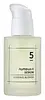
This brightening serum is formulated around Niacinamide and 3-O-Ethyl Ascorbic Acid to fade the look of dark spots and brighten dull-looking skin.
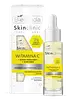
This brightening serum is formulated around 3-O-Ethyl Ascorbic Acid and Ferulic Acid to brighten dull-looking skin and fade the look of dark spots.


What's inside
What's inside
 Key Ingredients
Benefits
Concerns
Ingredients Side-by-side
Hippophae Rhamnoides Extract
MaskingButylene Glycol
Humectant

Methyl Gluceth-20
Humectant
Dipropylene Glycol
HumectantGlycerin
Humectant
1,2-Hexanediol
Skin Conditioning
Niacinamide
Smoothing









Melia Azadirachta Flower Extract
Skin ConditioningOcimum Sanctum Leaf Extract
Skin ConditioningMelia Azadirachta Leaf Extract
Skin ConditioningCurcuma Longa Root Extract
Antioxidant

Corallina Officinalis Extract
Skin Conditioning

Citrus Limon Peel Oil
Masking




Citrus Aurantium Dulcis Peel Oil
Masking
Citrus Aurantifolia Oil
Cleansing
Polygonum Cuspidatum Root Extract
Antioxidant
Scutellaria Baicalensis Root Extract
Astringent
Camellia Sinensis Leaf Extract
Antimicrobial
Glycyrrhiza Glabra Root Extract
Bleaching
Chamomilla Recutita Flower Extract
Masking
Rosmarinus Officinalis Leaf Extract
AntimicrobialCentella Asiatica Extract
Cleansing
Ascorbyl Glucoside
Antioxidant
Ascorbic Acid
Antioxidant
3-O-Ethyl Ascorbic Acid
Skin Conditioning
Panthenol
Skin Conditioning
Sodium Hyaluronate
Humectant
Dipotassium Glycyrrhizate
Humectant
Glycereth-26
Humectant
Ammonium Acryloyldimethyltaurate/Vp Copolymer
Polyglyceryl-10 Laurate
Skin Conditioning

Carbomer
Emulsion StabilisingAllantoin
Skin Conditioning
Tromethamine
BufferingWater
Skin ConditioningHydrolyzed Jojoba Esters
Skin Conditioning
Disodium EDTA
ChelatingCitral
Perfuming
Limonene
Perfuming
Hippophae Rhamnoides Extract, Butylene Glycol, Methyl Gluceth-20, Dipropylene Glycol, Glycerin, 1,2-Hexanediol, Niacinamide, Melia Azadirachta Flower Extract, Ocimum Sanctum Leaf Extract, Melia Azadirachta Leaf Extract, Curcuma Longa Root Extract, Corallina Officinalis Extract, Citrus Limon Peel Oil, Citrus Aurantium Dulcis Peel Oil, Citrus Aurantifolia Oil, Polygonum Cuspidatum Root Extract, Scutellaria Baicalensis Root Extract, Camellia Sinensis Leaf Extract, Glycyrrhiza Glabra Root Extract, Chamomilla Recutita Flower Extract, Rosmarinus Officinalis Leaf Extract, Centella Asiatica Extract, Ascorbyl Glucoside, Ascorbic Acid, 3-O-Ethyl Ascorbic Acid, Panthenol, Sodium Hyaluronate, Dipotassium Glycyrrhizate, Glycereth-26, Ammonium Acryloyldimethyltaurate/Vp Copolymer, Polyglyceryl-10 Laurate, Carbomer, Allantoin, Tromethamine, Water, Hydrolyzed Jojoba Esters, Disodium EDTA, Citral, Limonene
Water
Skin ConditioningPropanediol
Solvent
3-O-Ethyl Ascorbic Acid
Skin Conditioning
Citric Acid
Buffering
Glycerin
Humectant
Curcuma Longa Root Extract
Antioxidant
Ferulic Acid
Antimicrobial
Panthenol
Skin Conditioning
Hydroxyethylcellulose
Emulsion StabilisingDisodium Phosphate
BufferingSodium Phosphate
BufferingSodium Benzoate
Masking
Potassium Sorbate
Preservative
Disodium EDTA
ChelatingPhenoxyethanol
Preservative
Ethylhexylglycerin
Skin ConditioningCI 19140
Cosmetic Colorant
Reviews
Ingredients Explained
These ingredients are found in both products.
Ingredients higher up in an ingredient list are typically present in a larger amount.
3-O-Ethyl Ascorbic Acid is one of the most popular "stable" vitamin C derivatives in skincare.
Plain ascorbic acid is fantastic but notoriously fragile; it browns, oxidizes, and loses potency fast. So attaching an ethyl group to the third carbon of the molecule gives it some cool perks:
In a formula, it does the 3 classic vitamin C jobs: it acts as an antioxidant, helps brighten skin tone by inhibiting tyrosinase, and supports collagen.
The evidence is reasonably solid for a cosmetic ingredient; Liao and colleagues (2018) showed it's significantly more stable than ascorbic acid while still being effective.
A 2021 study by Zerbinati and colleagues tested a serum with 30% 3-O-ethyl-l-ascorbic acid and 1% lactic acid significantly increased collagen production, reduced UVB-induced DNA damage, and decreased melanin on a reconstructed pigmented skin model.
Typical real world usage sits around 0.5-5% (and 1-2% is common for daily serums).
Amounts up to 30% have been shown to be non-irritating on human skin samples, but two isolated cases reported allergic contact dermatitis so a patch test is sensible if you have reactive skin.
Learn more about 3-O-Ethyl Ascorbic AcidCurcuma Longa Root Extract comes from the rhizome (underground stem) of the turmeric plant.
While the official EU Cosing Database lists this ingredient as a fragrance, it actually does more than give products a scent.
This ingredient contains a group of yellow pigments called curcuminoids (mostly curcumin) that give it genuine antioxidant and anti-inflammatory activity in skin.
Reviews of topical clinical studies have found turmeric/curcumin to be generally well-tolerated and useful across conditions like eczema and mild inflammation.
One thing working in its favor is that curcumin barely penetrates; in lab skin-permeation testing, the curcuminoids mostly stayed in the outermost layer of skin. This is a good thing because its soothing and antioxidant activity is a surface-level job anyway.
At this time, industry data shows there's no single "correct" cosmetic percentage. It's used across a wide range depending on the product and varies from tiny fractions of a percent up to a few percent.
Allergy-wise, curcumin is a documented (but uncommon) contact allergen. It can also cross react with related plants, so anyone with a turmeric/ginger/cinnamon allergy or reactive skin should patch test first.
Learn more about Curcuma Longa Root ExtractDisodium EDTA is a chelating agent. It grabs onto and deactivates metal ions that sneak into your products from water, packaging, or air.
This ingredient mainly works behind the scenes and helps with:
On top of that, this ingredient can counteract the effects of hard water by binding to the minerals in it.
One thing worth knowing is that Disodium EDTA has been shown to be a mild penetration enhancer. It can help other ingredients absorb into skin more effectively which can be a double-edged sword (great for actives, but can also make the active too strong if you have sensitive skin).
Clinical patch testing showed no significant skin irritation at typical use concentrations and minimal dermal absorption.
You'll most likely see this ingredient near the end of an ingredient list. It's typically found in concentrations less than 1%.
Learn more about Disodium EDTAGlycerin (or glycerol) is a compound naturally found in your skin. It's a powerhouse humectant that pulls water into the stratum corneum.
Topically, glycerin does several things at once:
Your skin makes glycerin on its own (mostly from sebaceous oil breakdown) and shuttles it to your outermost layer of skin, or your epidermis, via aquaporin-3.
Aquaporin-3 is a transporter that is essential for normal skin hydration, elasticity, and repair. Interestingly, mice lacking in AQP3 have dry and less elastic skin that can be fully corrected with glycerin.
This ingredient is non-irritating, plays well with almost every ingredient, and works across all skin types. Typical use is anywhere between 3-10% but can go up to 79% in some leave-on products.
Just know very high concentrations (>40%) can feel tacky in low humidity.
Glycerin is the name for this ingredient in American English. British English uses Glycerol/Glycerine.
Learn more about GlycerinPanthenol is a common ingredient that helps hydrate and soothe the skin. It is found naturally in our skin and hair.
There are two forms of panthenol: D and L.
D-panthenol is also known as dexpanthenol. Most cosmetics use dexpanthenol or a mixture of D and L-panthenol.
Panthenol is famous due to its ability to go deeper into the skin's layers. Using this ingredient has numerous pros (and no cons):
Like hyaluronic acid, panthenol is a humectant. Humectants are able to bind and hold large amounts of water to keep skin hydrated.
This ingredient works well for wound healing. It works by increasing tissue in the wound and helps close open wounds.
Once oxidized, panthenol converts to pantothenic acid. Panthothenic acid is found in all living cells.
This ingredient is also referred to as pro-vitamin B5.
Learn more about PanthenolWater. It's the most common cosmetic ingredient of all. You'll usually see it at the top of ingredient lists, meaning that it makes up the largest part of the product.
So why is it so popular? Water most often acts as a solvent - this means that it helps dissolve other ingredients into the formulation.
You'll also recognize water as that liquid we all need to stay alive. If you see this, drink a glass of water. Remember to stay hydrated!
Learn more about Water

