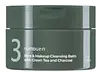
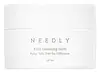
Numbuzin No.3 Pore & Makeup Cleansing Balm with Green Tea and Charcoal Versus Needly Mild Cleansing Balm
This oil-based makeup remover is made to dissolve makeup, sunscreen, and daily buildup.
This oil-based cleanser is made to cleanse without leaving your skin tight or dry.

What's inside
What's inside
 Key Ingredients
Benefits
Concerns
Ingredients Side-by-side
Caprylic/Capric Triglyceride
Masking


Ethylhexyl Palmitate
Emollient




Sorbeth-30 Tetraoleate
Emulsifying
Triethylhexanoin
MaskingSynthetic Wax
Abrasive
Polysorbate 85
Emulsifying
Silica Dimethyl Silylate
EmollientCamellia Sinensis Leaf Powder
Rosmarinus Officinalis Leaf Oil
Masking
Camellia Sinensis Seed Oil
Humectant
Camellia Sinensis Leaf Water
Masking
Charcoal Powder
Abrasive

Poly(Dipropyleneglycol Adipate)
Chromium Oxide Greens
Pentaerythrityl Tetra-Di-T-Butyl Hydroxyhydrocinnamate
Antioxidant
Illite
Abrasive
Montmorillonite
AbsorbentKaolin
Abrasive
1,2-Hexanediol
Skin Conditioning
Caprylic/Capric Triglyceride, Ethylhexyl Palmitate, Sorbeth-30 Tetraoleate, Triethylhexanoin, Synthetic Wax, Polysorbate 85, Silica Dimethyl Silylate, Camellia Sinensis Leaf Powder, Rosmarinus Officinalis Leaf Oil, Camellia Sinensis Seed Oil, Camellia Sinensis Leaf Water, Charcoal Powder, Poly(Dipropyleneglycol Adipate), Chromium Oxide Greens, Pentaerythrityl Tetra-Di-T-Butyl Hydroxyhydrocinnamate, Illite, Montmorillonite, Kaolin, 1,2-Hexanediol
Ethylhexyl Palmitate
Emollient
PEG-20 Glyceryl Triisostearate
Emollient
Cetyl Ethylhexanoate
EmollientTriethylhexanoin
MaskingPolyethylene
Abrasive
Caprylic/Capric Triglyceride
Masking
PEG-8 Isostearate
Emulsifying
Sorbeth-30 Tetraoleate
Emulsifying
Camellia Japonica Seed Oil
Emollient
Candida Bombicola/Glucose/Methyl Rapeseedate Ferment
AntimicrobialArgania Spinosa Kernel Oil
Emollient
Camellia Sinensis Seed Oil
Humectant
Cocos Nucifera Oil
Masking
Helianthus Annuus Seed Oil
Emollient
Olea Europaea Fruit Oil
Masking
Oryza Sativa Bran Oil
Emollient
Simmondsia Chinensis Seed Oil
Emollient
Vitis Vinifera Seed Oil
Emollient
Pogostemon Cablin Leaf Oil
Masking

Rosmarinus Officinalis Leaf Oil
Masking
Caprylyl Glycol
Emollient
Ethylhexylglycerin
Skin ConditioningSaponaria Officinalis Leaf Extract
AntimicrobialWater
Skin ConditioningButylene Glycol
Humectant
1,2-Hexanediol
Skin Conditioning
Ethylhexyl Palmitate, PEG-20 Glyceryl Triisostearate, Cetyl Ethylhexanoate, Triethylhexanoin, Polyethylene, Caprylic/Capric Triglyceride, PEG-8 Isostearate, Sorbeth-30 Tetraoleate, Camellia Japonica Seed Oil, Candida Bombicola/Glucose/Methyl Rapeseedate Ferment, Argania Spinosa Kernel Oil, Camellia Sinensis Seed Oil, Cocos Nucifera Oil, Helianthus Annuus Seed Oil, Olea Europaea Fruit Oil, Oryza Sativa Bran Oil, Simmondsia Chinensis Seed Oil, Vitis Vinifera Seed Oil, Pogostemon Cablin Leaf Oil, Rosmarinus Officinalis Leaf Oil, Caprylyl Glycol, Ethylhexylglycerin, Saponaria Officinalis Leaf Extract, Water, Butylene Glycol, 1,2-Hexanediol
Reviews
Ingredients Explained
These ingredients are found in both products.
Ingredients higher up in an ingredient list are typically present in a larger amount.
1,2-Hexanediol is a synthetic liquid and another multi-functional powerhouse.
It is a:
- Humectant, drawing moisture into the skin
- Emollient, helping to soften skin
- Solvent, dispersing and stabilizing formulas
- Preservative booster, enhancing the antimicrobial activity of other preservatives
Camellia Sinensis Seed Oil is the oil expressed from the seeds from the tea plant. This is the same plant we get green, black, and oolong tea from.
Camellia Sinensis Seed Oil is rich in oleic acid. This makes it an effective moisturizer. By drawing moisture to the skin, Camellia Oleifera Seed Oil helps keep your skin hydrated.
Other components of Camellia Sinensis Seed Oil includes Vitamin E and polyphenols. These are antioxidants that may help slow down the signs of aging. Antioxidants help fight free-radicals, or unstable molecules that can damage our skin cells.
Camellia Sinensis Seed Oil also has anti-inflammatory properties.
The seed oil comes from the dried kernels of the plant.
Learn more about Camellia Sinensis Seed OilCaprylic/Capric Triglyceride (aka MCT Oil) is a lightweight emollient, solvent, and texture enhancer. It is considered a skin-softener by helping to prevent moisture loss.
Though it behaves like an oil, it is not technically one due to its chemical composition. One perk of this ingredient is that it is very stable, resistant to oxidation, and unlikely to go rancid.
In practice, that translates to a long shelf life and a consistently elegant skin feel.
While there is an assumption Caprylic Triglyceride can clog pores due to it being derived from coconut oil, there is no research supporting this. Just patch test if you have concerns.
Fractionated coconut oil and MCT Oil are both listed as Caprylic/Capric Triglyceride according to INCI. This is because INCI names are based on the ingredient’s final chemical composition and not its marketing name or source.
This ingredient is treated as the gold standard fungal acne safe oil. Even though it is coconut derived, the problematic lauric acid is stripped out.
This leaves just caprylic (C8) and capric (C10) acid. These chain lengths actually trend antifungal; a 2020 study found caprylic acid was enough to disrupt Malassezia furfur cell membrane, with a caprylic acid derivative damaging membrane structures at concentrations as low as 0.2%.
Learn more about Caprylic/Capric TriglycerideEthylhexyl Palmitate, also known as octyl palmitate, is created from 2-ethylhexyl alcohol and palmitic acid.
In cosmetics, it plays many roles:
One thing worth noting: a controlled study found this ingredient applied under occlusion to acne-prone subjects increased microcomedones. Just keep in mind this was under occlusive conditions and don't reflect how most products are used day-to-day.
For most people, this is a well-tolerated and lightweight ingredient.
This ingredient may not be fungal acne safe because it is an ester of palmitic acid, a C16 fatty acid that falls within the C11-24 range that Malassezia can metabolize.
You'll see this one rated 4 comedogenic all over the internet. That number isn't from a single study, and the actual research is more interesting.
The original rating comes from 1980s rabbit ear tests (which are a shaky basis for anything). But Ethylhexyl Palmitate is one of the few ingredients with real human data behind it. A 2021 controlled trial found this ingredient increased microcomedones by an average of 365% over four weeks.
Just know that test used the pure ingredient under an occlusive pad on back skin; most products use it at much lower levels alongside other ingredients and plenty of people use those with no issue.
Learn more about Ethylhexyl PalmitateRosmarinus Officinalis Leaf Oil is an essential oil also known as rosemary essential oil. In skincare, it is a skin conditioning agent and also acts as a natural fragrance that gives products a fresh/herby smell.
The oil is a mix of over 100 volatile compounds with 1,8-cineole, α-pinene, camphor, and verbenone usually leading the pack.
Lab studies credit this oil with antioxidant, anti-inflammatory, and antimicrobial activity. Some research even show rosemary compounds calming acne-related inflammation.
The Cosmetic Ingredient Review (CIR) has concluded rosemary-derived ingredients to be safe when formulated to be nonsensitizing.
Since this is a fragrant essential oil, the main concern is for fragrance-sensitive folks.
Learn more about Rosmarinus Officinalis Leaf OilSorbeth-30 Tetraoleate is a surfactant and emulsifier.
This ingredient is a tetraester from oleic acid and polyethylene glycol ether of sorbitol.
As an emulsifier, it helps ingredients such as oil and water mix together. This allows the dirt and oils in your skin to be washed away.
One study found pumpkin oil containing Sorbeth-30 Tetraoleate helped hydrate the skin and did not cause any irritation.
Learn more about Sorbeth-30 TetraoleateTriethylhexanoin is created from glycerin and 2-ethylhexanoic acid. It is a solvent and emollient.
As a solvent, Triethylhexanoin helps dissolve ingredients to stable bases or help evenly distribute ingredients throughout the product.
It is also an emollient and helps condition the skin.
Learn more about Triethylhexanoin

