

What's inside
What's inside
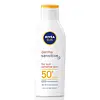 Key Ingredients
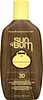
Benefits
Concerns
Ingredients Side-by-side
Water
Skin ConditioningHomosalate
Skin Conditioning

Alcohol Denat.
Antimicrobial





Butyl Methoxydibenzoylmethane
UV Absorber
Bis-Ethylhexyloxyphenol Methoxyphenyl Triazine
Skin Conditioning
Ethylhexyl Salicylate
UV Absorber
Dibutyl Adipate
EmollientEthylhexyl Triazone
UV Absorber
Copernicia Cerifera Wax

Panthenol
Skin Conditioning




Glycerin
Humectant
Silica
Abrasive
Vp/Hexadecene Copolymer
Microcrystalline Cellulose
AbsorbentSucrose Polystearate
EmollientTetrasodium Iminodisuccinate
Cellulose Gum
Emulsion StabilisingButylene Glycol Dicaprylate/Dicaprate
EmollientDistarch Phosphate
AbsorbentPhenylbenzimidazole Sulfonic Acid
UV Absorber
Polyglyceryl-4 Diisostearate/Polyhydroxystearate/Sebacate
Emulsifying
Acrylates/C10-30 Alkyl Acrylate Crosspolymer
Emulsion StabilisingSodium Stearoyl Glutamate
CleansingEthylhexylglycerin
Skin ConditioningCaprylyl Glycol
Emollient
Hydrogenated Polyisobutene
EmollientTrisodium EDTA
Xanthan Gum
EmulsifyingSodium Hydroxide
BufferingTocopheryl Acetate
Antioxidant

Glycyrrhiza Glabra Root Extract
Bleaching
Aloe Ferox Leaf Juice Powder
Skin ConditioningSodium Chloride
Masking
Water, Homosalate, Alcohol Denat., Butyl Methoxydibenzoylmethane, Bis-Ethylhexyloxyphenol Methoxyphenyl Triazine, Ethylhexyl Salicylate, Dibutyl Adipate, Ethylhexyl Triazone, Copernicia Cerifera Wax, Panthenol, Glycerin, Silica, Vp/Hexadecene Copolymer, Microcrystalline Cellulose, Sucrose Polystearate, Tetrasodium Iminodisuccinate, Cellulose Gum, Butylene Glycol Dicaprylate/Dicaprate, Distarch Phosphate, Phenylbenzimidazole Sulfonic Acid, Polyglyceryl-4 Diisostearate/Polyhydroxystearate/Sebacate, Acrylates/C10-30 Alkyl Acrylate Crosspolymer, Sodium Stearoyl Glutamate, Ethylhexylglycerin, Caprylyl Glycol, Hydrogenated Polyisobutene, Trisodium EDTA, Xanthan Gum, Sodium Hydroxide, Tocopheryl Acetate, Glycyrrhiza Glabra Root Extract, Aloe Ferox Leaf Juice Powder, Sodium Chloride
Butyl Methoxydibenzoylmethane 3%
UV Absorber
Homosalate 5%
Skin Conditioning
Ethylhexyl Salicylate 3%
UV Absorber
Octocrylene 10%
UV Absorber
Water
Skin ConditioningButyloctyl Salicylate
Skin Conditioning
Hydrated Silica
Abrasive
Vp/Hexadecene Copolymer
Styrene/Acrylates Copolymer
Dimethicone
Emollient
Polyester-8
Skin Conditioning
Phenoxyethanol
Preservative
Caprylyl Methicone
Skin Conditioning
Ethylhexyl Stearate
Emollient
Trideceth-6
EmulsifyingGlyceryl Stearate
Emollient
PEG-100 Stearate
Parfum
Masking
Sodium Polyacrylate
Absorbent
Behenyl Alcohol
Emollient
Dimethyl Capramide
Emulsion StabilisingEthylhexylglycerin
Skin ConditioningTrimethylsiloxysilicate
Emollient
Xanthan Gum
EmulsifyingTocopheryl Acetate
Antioxidant
BHT
Antioxidant
Disodium EDTA
Butyl Methoxydibenzoylmethane 3%, Homosalate 5%, Ethylhexyl Salicylate 3%, Octocrylene 10%, Water, Butyloctyl Salicylate, Hydrated Silica, Vp/Hexadecene Copolymer, Styrene/Acrylates Copolymer, Dimethicone, Polyester-8, Phenoxyethanol, Caprylyl Methicone, Ethylhexyl Stearate, Trideceth-6, Glyceryl Stearate, PEG-100 Stearate, Parfum, Sodium Polyacrylate, Behenyl Alcohol, Dimethyl Capramide, Ethylhexylglycerin, Trimethylsiloxysilicate, Xanthan Gum, Tocopheryl Acetate, BHT, Disodium EDTA
Ingredients Explained
These ingredients are found in both products.
Ingredients higher up in an ingredient list are typically present in a larger amount.
Also known as Avobenzone, this ingredient is a chemical sunscreen filter that provides protection in the UV-A range.
Avobenzone is globally approved and is the most commonly used UV-A filter in the world.
Studies have found that avobenzone becomes ineffective when exposed to UV light (it is not photostable; meaning that it breaks down in sunlight). Because of this, formulations that include avobenzone will usually contain stabilizers such as octocrylene.
However, some modern formulations (looking at you, EU!) are able to stabilize avobenzone by coating the molecules.
Avobenzone does not protect against the UV-B range, so it's important to check that the sunscreen you're using contains other UV filters that do!
The highest concentration of avobenzone permitted is 3% in the US, and 5% in the EU.
Learn more about Butyl MethoxydibenzoylmethaneEthylhexyl Salicylate is an organic compound used to block UV rays. It primarily absorbs UVB rays but offers a small amount of UVA protection as well.
Commonly found in sunscreens, Ethylhexyl Salicylate is created from salicylic acid and 2-ethylhexanol. You might know salicylic acid as the effective acne fighter ingredient and BHA.
The ethylhexanol in this ingredient is a fatty alcohol and helps hydrate your skin, similar to oils. It is an emollient, which means it traps moisture into the skin.
According to manufacturers, Ethylhexyl Salicylate absorbs UV wavelength of 295-315 nm, with a peak absorption at 307-310 nm. UVA rays are linked to long term skin damage, such as hyperpigmentation. UVB rays emit more energy and are capable of damaging our DNA. UVB rays cause sunburn.
Learn more about Ethylhexyl SalicylateEthylhexylglycerin (we can't pronounce this either) is commonly used as a preservative and skin softener. It is derived from glyceryl.
You might see Ethylhexylglycerin often paired with other preservatives such as phenoxyethanol. Ethylhexylglycerin has been found to increase the effectiveness of these other preservatives.
Homosalate is a chemical sunscreen filter that provides protection in the UV-B range (280nm - 320 nm), with a peak protection at 306 nm. It is internationally approved for use in sunscreens.
Homosalate is not photo-stable, meaning it's strength as a UV filter degrades over time with exposure to the sun. Because of this, it's often used in combination with other chemical sunscreen filters as avobenzone (which protects from the UV-A range). Homosalate also helps act as a solvent for harder-to-dissolve UV filters.
(Part of the reason that sunscreens need to be frequently re-applied is due to the photo instability of many chemical sunscreen filters)
Currently, homosalate is approved in concentrations up to 10% in the EU and 15% in the US. The FDA is currently doing further research on the effects of homosalate, and it is possible that these approved concentrations will change in the future.
Learn more about HomosalateTocopheryl Acetate is AKA Vitamin E. It is an antioxidant and protects your skin from free radicals. Free radicals damage the skin by breaking down collagen.
One study found using Tocopheryl Acetate with Vitamin C decreased the number of sunburned cells.
Tocopheryl Acetate is commonly found in both skincare and dietary supplements.
Learn more about Tocopheryl AcetateVP/Hexadecene Copolymer is a synthetic film-forming agent. It has both water and oil loving properties, allowing it to create a flexible, even film on the skin.
This ingredient helps enhance texture, smoothness, and wear resistance in makeup products while reducing tackiness.
Water. It's the most common cosmetic ingredient of all. You'll usually see it at the top of ingredient lists, meaning that it makes up the largest part of the product.
So why is it so popular? Water most often acts as a solvent - this means that it helps dissolve other ingredients into the formulation.
You'll also recognize water as that liquid we all need to stay alive. If you see this, drink a glass of water. Stay hydrated!
Learn more about WaterXanthan gum is used as a stabilizer and thickener within cosmetic products. It helps give products a sticky, thick feeling - preventing them from being too runny.
On the technical side of things, xanthan gum is a polysaccharide - a combination consisting of multiple sugar molecules bonded together.
Xanthan gum is a pretty common and great ingredient. It is a natural, non-toxic, non-irritating ingredient that is also commonly used in food products.
Learn more about Xanthan Gum
