This barrier-repair lip moisturizer is formulated around Persea Gratissima Oil and Simmondsia Chinensis Seed Oil to strengthen the lip barrier and hydrate lips.


What's inside
What's inside
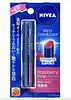 Key Ingredients
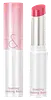
Benefits
Concerns
Ingredients Side-by-side
Hydrogenated Polyisobutene
EmollientNeopentyl Glycol Dicaprate
EmollientPentaerythrityl Tetraisostearate
Emollient

Diisostearyl Malate
EmollientDiphenylsiloxy Phenyl Trimethicone
Skin Conditioning
Polyethylene
Abrasive

Dipentaerythrityl Hexahydroxystearate
EmulsifyingStearic Acid
Cleansing

Ethylhexyl Methoxycinnamate
UV Absorber


Phytosteryl/Octyldodecyl Lauroyl Glutamate
Skin ConditioningPersea Gratissima Oil
Skin Conditioning

Simmondsia Chinensis Seed Oil
Emollient

Macadamia Integrifolia Seed Oil
Skin Conditioning
Tocopherol
Antioxidant





Polyglyceryl-2 Triisostearate
Emulsifying
Microcrystalline Wax
Emulsion StabilisingButyl Methoxydibenzoylmethane
UV Absorber
Mica
Cosmetic ColorantIron Oxides
Titanium Dioxide
Cosmetic Colorant
Aluminum Hydroxide
EmollientBarium Sulfate
Cosmetic ColorantCI 19140
Cosmetic ColorantCI 15850
Cosmetic ColorantCI 73360
Cosmetic ColorantHydrogenated Polyisobutene, Neopentyl Glycol Dicaprate, Pentaerythrityl Tetraisostearate, Diisostearyl Malate, Diphenylsiloxy Phenyl Trimethicone, Polyethylene, Dipentaerythrityl Hexahydroxystearate, Stearic Acid, Ethylhexyl Methoxycinnamate, Phytosteryl/Octyldodecyl Lauroyl Glutamate, Persea Gratissima Oil, Simmondsia Chinensis Seed Oil, Macadamia Integrifolia Seed Oil, Tocopherol, Polyglyceryl-2 Triisostearate, Microcrystalline Wax, Butyl Methoxydibenzoylmethane, Mica, Iron Oxides, Titanium Dioxide, Aluminum Hydroxide, Barium Sulfate, CI 19140, CI 15850, CI 73360
Diisostearyl Malate
EmollientBis-Behenyl/Isostearyl/Phytosteryl Dimer Dilinoleyl Dimer Dilinoleate
EmollientPolyglyceryl-2 Triisostearate
Emulsifying
Bis-Diglyceryl Polyacyladipate-2
Emollient
Paraffin
Skin Conditioning
Tridecyl Trimellitate
EmollientPentaerythrityl Tetraisostearate
Emollient
Microcrystalline Wax
Emulsion StabilisingSorbitan Isostearate
Emulsifying
1,2-Hexanediol
Skin Conditioning
Disteardimonium Hectorite
StabilisingSynthetic Wax
Abrasive
CI 77891
Cosmetic ColorantEthylene/Propylene Copolymer
Abrasive
CI 45410
Cosmetic ColorantCI 15985
Cosmetic ColorantPropylene Carbonate
SolventCI 15850
Cosmetic ColorantParfum
Masking

Limonene
Perfuming
Linalool
Perfuming
Simmondsia Chinensis Seed Oil
Emollient
Prunus Amygdalus Dulcis Oil
Skin Conditioning
Prunus Armeniaca Kernel Oil
Masking
Oenothera Biennis Oil
Emollient
Olea Europaea Fruit Oil
Masking
Argania Spinosa Kernel Oil
Emollient
Butyrospermum Parkii Butter
Skin Conditioning
Camellia Japonica Seed Oil
Emollient
Caprylic/Capric Triglyceride
Masking
Mangifera Indica Fruit Extract
Skin ConditioningRosa Canina Fruit Extract
Astringent
Diisostearyl Malate, Bis-Behenyl/Isostearyl/Phytosteryl Dimer Dilinoleyl Dimer Dilinoleate, Polyglyceryl-2 Triisostearate, Bis-Diglyceryl Polyacyladipate-2, Paraffin, Tridecyl Trimellitate, Pentaerythrityl Tetraisostearate, Microcrystalline Wax, Sorbitan Isostearate, 1,2-Hexanediol, Disteardimonium Hectorite, Synthetic Wax, CI 77891, Ethylene/Propylene Copolymer, CI 45410, CI 15985, Propylene Carbonate, CI 15850, Parfum, Limonene, Linalool, Simmondsia Chinensis Seed Oil, Prunus Amygdalus Dulcis Oil, Prunus Armeniaca Kernel Oil, Oenothera Biennis Oil, Olea Europaea Fruit Oil, Argania Spinosa Kernel Oil, Butyrospermum Parkii Butter, Camellia Japonica Seed Oil, Caprylic/Capric Triglyceride, Mangifera Indica Fruit Extract, Rosa Canina Fruit Extract
Reviews
Ingredients Explained
These ingredients are found in both products.
Ingredients higher up in an ingredient list are typically present in a larger amount.
Ci 15850 is the pigment color red. It is an azo dye and created synthetically.
Azo dyes need to be thoroughly purified before use. This allows them to be more stable and longer-lasting.
This ingredient is common in foundations, lipsticks, and blushes. This color is described as brown/orangey red.
It has many secondary names such as Red 6 and Red 7. According to a manufacturer, Red 6 usually contains aluminum.
Learn more about CI 15850Diisostearyl Malate is an emollient and most often used in lip products. It comes from isostearyl alcohol, a fatty acid, and malic acid, an AHA.
As an emollient, Diisostearyl Malate helps create a thin film on your skin to trap moisture in. This helps keep your skin soft and smooth.
Microcrystalline Wax is derived from petroleum through a de-oiling process, then highly refined and purified before use in cosmetics.
In skincare formulations, it is used to improve texture and create a smooth, even consistency. It also helps stabilize products by preventing ingredients from separating.
Pentaerythrityl Tetraisostearate is a synthetic emollient and "skin-feel" ingredient that spreads well and leaves a non-sticky finish with high gloss.
In makeup, it also doubles as a pigment-wetting agent for better color payoff.
It's a well-vetted ingredient for safety and does not penetrate into skin due to its large molecule size.
Because it's a long-chain fatty acid ester, this ingredient may not be fungal acne or Malassezia safe.
Learn more about Pentaerythrityl TetraisostearatePolyglyceryl-2 Triisostearate is a plant-derived emulsifier and pigment-dispersing agent with a non-sticky skin feel.
It helps products glide on smoothly and prevents oil and water from separating in a formula, making it suitable for sunscreen and makeup formulations.
The EU inventory of cosmetics has no use restrictions on this ingredient and it is considered well-tolerated.
This ingredient may not be fungal acne safe because it is derived from isostearic acid.
Learn more about Polyglyceryl-2 TriisostearateJojoba oil is one of the most well-studied plant-derived ingredients in cosmetics. It is an emollient with a special structure.
Because it is made up of 97-98% wax esters, it closely mirrors the linear monoesters found in human sebum. This makes it skin compatible, non-greasy, and lightweight.
Unlike other plant oils, jojoba wax doesn't easily penetrate skin. It mostly works in the uppermost layers as an emollient. This just means it forms a light barrier on the skin to help retain moisture.
Formulations with jojoba esters up to 90% reduced transepidermal water loss (TEWL) and increased barrier recovery by 81% (outperforming bisabolol at 47%).
Besides barrier support, the science also suggests jojoba to have anti-inflammatory effects and potential applications for skin infections, aging, and wound healing.
Fun fact: Indigenous cultures have used jojoba as a moisturizer and to help treat burns for centuries.
Fungal acne: The Malassezia yeast is known to metabolize fatty acids in the C11-24 range and jojoba's dominant fatty acid components fall into this range. This ingredient may not be fungal acne safe.
Learn more about Simmondsia Chinensis Seed Oil

