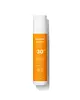
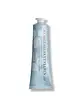
Nilens Jord Hydra Sun High Protection Face Cream SPF 30 Versus Beautyspace Ansigtsbeskyttelsen 2.0 SPF 30
This chemical sunscreen covers the full UV range and blocks ~97% of UVB at SPF 30.
This barrier-repair day moisturizer is formulated around Niacinamide and Squalane to strengthen the skin barrier and hydrate skin.

What's inside
What's inside
 Key Ingredients
Benefits
Concerns
Ingredients Side-by-side
Water
Skin ConditioningDibutyl Adipate
EmollientDiethylamino Hydroxybenzoyl Hexyl Benzoate
UV Filter
Ethylhexyl Triazone
UV Absorber
Niacinamide
Smoothing











Hydrogenated Dimer Dilinoleyl/Dimethylcarbonate Copolymer
Emulsion StabilisingGlyceryl Stearate
Emollient

Dicaprylyl Ether
Emollient
Propylheptyl Caprylate
EmollientGlycerin
Humectant
Microcrystalline Cellulose
AbsorbentHydrogenated Castor Oil
Emollient
Shea Butter Ethyl Esters
Emollient
Oryza Sativa Bran Wax
Skin Conditioning
Distarch Phosphate
AbsorbentDisodium Cetearyl Sulfosuccinate
CleansingPhenoxyethanol
Preservative
Undecane
EmollientCellulose Gum
Emulsion StabilisingTridecane
Perfuming

Bis-Ethylhexyloxyphenol Methoxyphenyl Triazine
UV Absorber
Caprylyl Glycol
Emollient
Acacia Senegal Gum
MaskingTocopherol
Antioxidant

Tocopheryl Acetate
Antioxidant
Citric Acid
Buffering
Xanthan Gum
EmulsifyingSaccharide Isomerate
Humectant
Sorbic Acid
Preservative
Sodium Citrate
BufferingWater, Dibutyl Adipate, Diethylamino Hydroxybenzoyl Hexyl Benzoate, Ethylhexyl Triazone, Niacinamide, Hydrogenated Dimer Dilinoleyl/Dimethylcarbonate Copolymer, Glyceryl Stearate, Dicaprylyl Ether, Propylheptyl Caprylate, Glycerin, Microcrystalline Cellulose, Hydrogenated Castor Oil, Shea Butter Ethyl Esters, Oryza Sativa Bran Wax, Distarch Phosphate, Disodium Cetearyl Sulfosuccinate, Phenoxyethanol, Undecane, Cellulose Gum, Tridecane, Bis-Ethylhexyloxyphenol Methoxyphenyl Triazine, Caprylyl Glycol, Acacia Senegal Gum, Tocopherol, Tocopheryl Acetate, Citric Acid, Xanthan Gum, Saccharide Isomerate, Sorbic Acid, Sodium Citrate
Water
Skin ConditioningDibutyl Adipate
EmollientDiethylamino Hydroxybenzoyl Hexyl Benzoate
UV Filter
Ethylhexyl Triazone
UV Absorber
Niacinamide
Smoothing
Dicaprylyl Ether
Emollient
Propylheptyl Caprylate
EmollientGlyceryl Stearate
Emollient
Glycerin
Humectant
Oryza Sativa Bran Wax
Skin Conditioning
Microcrystalline Cellulose
AbsorbentHydrogenated Castor Oil
Emollient
Shea Butter Ethyl Esters
Emollient
Squalane
Emollient
Disodium Cetearyl Sulfosuccinate
CleansingPhenoxyethanol
Preservative
Undecane
EmollientRetinyl Palmitate
Skin Conditioning
Helianthus Annuus Seed Oil
Emollient
Cellulose Gum
Emulsion StabilisingTridecane
Perfuming
Bis-Ethylhexyloxyphenol Methoxyphenyl Triazine
UV Absorber
Caprylyl Glycol
Emollient
Tocopherol
Antioxidant
Citric Acid
Buffering
Acacia Senegal Gum
MaskingTocopheryl Acetate
Antioxidant
Xanthan Gum
EmulsifyingSaccharide Isomerate
Humectant
Sorbic Acid
Preservative
Ceramide NP
Skin Conditioning
Sodium Citrate
BufferingWater, Dibutyl Adipate, Diethylamino Hydroxybenzoyl Hexyl Benzoate, Ethylhexyl Triazone, Niacinamide, Dicaprylyl Ether, Propylheptyl Caprylate, Glyceryl Stearate, Glycerin, Oryza Sativa Bran Wax, Microcrystalline Cellulose, Hydrogenated Castor Oil, Shea Butter Ethyl Esters, Squalane, Disodium Cetearyl Sulfosuccinate, Phenoxyethanol, Undecane, Retinyl Palmitate, Helianthus Annuus Seed Oil, Cellulose Gum, Tridecane, Bis-Ethylhexyloxyphenol Methoxyphenyl Triazine, Caprylyl Glycol, Tocopherol, Citric Acid, Acacia Senegal Gum, Tocopheryl Acetate, Xanthan Gum, Saccharide Isomerate, Sorbic Acid, Ceramide NP, Sodium Citrate
Ingredients Explained
These ingredients are found in both products.
Ingredients higher up in an ingredient list are typically present in a larger amount.
Acacia Senegal Gum has skin soothing, thickening, and formulation stabilizing properties. It comes from the Acacia tree that is native to sub-Saharan Africa.
This ingredient is better known as bemotrizinol or Tinosorb S and is one of the best broad-spectrum UV filters in modern sunscreen.
It works by absorbing UV light across a whole range (280-400 nm) with peaks around 310 nm (UVB) and 340-345 nm (UVA). This means it covers UVB plus the deeper UVA wavelengths that drive photoaging and pigmentation.
Another pro?
It's exceptionally photostable, barely degrades in sunlight, and acts as a "bodyguard" for less stable filters.
That's why you'll see it paired with avobenzone or octinoxate; this team up ensures they keep working through sun exposure.
Safety reviews have been reassuring across the board. This ingredient shows low absorption through the skin, rarely irritates, and lab studies found it doesn't act like a hormone in the body (a concern that's been raised about some older sunscreen filters).
On maximum concentrations:
In 2026, the US F.D.A finally added it as an OTC sunscreen ingredient at concentrations up to 6% for adults / children 6 months and older
Learn more about Bis-Ethylhexyloxyphenol Methoxyphenyl TriazineCaprylyl Glycol is a humectant, skin conditioner, emollient, and preservative booster derived from either caprylic acid or synthetically created.
Typical use levels vary from 0.3-1% as a preservative booster and go up to 2% to condition skin.
Because it is not a free-fatty acid, this ingredient is fungal acne safe (there's nothing for Malassezia to feed on).
Learn more about Caprylyl GlycolCellulose Gum is a water-soluble polymer that comes from cellulose. It is used to change the texture of a product and to help stabilize emulsions.
As an emulsifier, cellulose gum specifically thicken the texture of water-based products.
This ingredient is considered hypoallergenic and non-toxic. Cellulose Gum can be found in cosmetics, food, and other household goods such as paper products.
Learn more about Cellulose GumCitric Acid is an alpha hydroxy acid (AHA) naturally found in citrus fruits like oranges, lemons, and limes.
Like other AHAs, citric acid can exfoliate skin by breaking down the bonds that hold dead skin cells together. This helps reveal smoother and brighter skin underneath.
However, this exfoliating effect only happens at high concentrations (20%) which can be hard to find in cosmetic products.
Due to this, citric acid is usually included in small amounts as a pH adjuster. This helps keep products slightly more acidic and compatible with skin's natural pH.
In skincare formulas, citric acid can:
While it can provide some skin benefits, research shows lactic acid and glycolic acid are generally more effective and less irritating exfoliants.
Most citric acid used in skincare today is made by fermenting sugars (usually from molasses). This synthetic version is identical to the natural citrus form but easier to stabilize and use in formulations.
Rosacea skin has a lower threshold for acids generally, with 62.5% of rosacea subjects in one study reacting to lactic acid in a sting test. This is why we mark citric acid as a potential rosacea trigger.
However, this ingredient shows up as a pH adjuster or chelator at roughly 0.1-1% in many products. These low levels are unlikely to be an issue for rosacea skin and becomes a potential trigger at exfoliating concentrations (20%). Because everybody's skin is unique, we recommend a patch test if you are unsure.
Learn more about Citric AcidDibutyl Adipate is a lightweight, oil-soluble ester that acts as an emollient and solvent. It helps products spread more easily and leaves a soft, silky, dry-touch finish without being greasy.
You'll likely see this ingredient in sunscreens because it does a nice job dissolving UV filters and keeping them evenly distributed.
This ingredient has been found to be safe as used in cosmetics, wasn't a skin or eye irritant in clinical patch testing, and wasn't phototoxic.
In a clinical comedogenicity test, this ingredient tested negative so it isn't likely to clog pores.
Typical use levels are about 5-8% for sunscreens + nail products, but can range from 0.005%-8% depending on the product.
Learn more about Dibutyl AdipateDicaprylyl Ether is created from caprylic acid. It is a texture-enhancer and emollient.
As an emollient, Dicaprylyl Ether is non-comedogenic. It helps soften and smooth the skin by creating a barrier on top. This barrier helps trap moisture in, helping to hydrate the skin.
Dicaprylyl Ether gives a non-greasy feel and better spreadability to products.
Learn more about Dicaprylyl EtherDiethylamino Hydroxybenzoyl Hexyl Benzoate (DHHB) is a chemical UV-A absorber. It is formulated for high UVA protection (320-400 nm).
DHHB is well-liked for:
DHHB has been approved by the EU, Japan, Taiwan, and South America for use up to 10%. Unfortunately, it has not been approved for use in the US or Canada due to slow regulatory processes.
This ingredient is soluble in oils, fats, and lipids.
Learn more about Diethylamino Hydroxybenzoyl Hexyl BenzoateWe don't have a description for Disodium Cetearyl Sulfosuccinate yet.
Ethylhexyl Triazone (aka Octyl Triazone) is an oil-soluble organic UVB filter. It has peak absorption around 314 nm, right in the middle of the UVB range.
This ingredient is described as one of the most effective UVB filters available and small concentrations are enough to deliver a high SPF thanks to its strong UV absorbing power.
Formulators love it for its stability; its ability to filter UV stays practically unchanged even under intense radiation and it can also help boost the photostability of less stable filters like avobenzone.
It's also a great pick for water resistant products because it's insoluble in water and has a good affinity for keratin.
Because it's a big, heavy molecule, the European Scientific Committee has found to to have very low dermal penetration and negative results for allergenicity.
In vitro testing also showed a low absorption rate and clean results on irritation.
Typical use levels are 1-5% with 5% being the maximum in the EU, Japan, and other markets that allow it. However, this ingredient is not approved yet in the US or Canada.
Learn more about Ethylhexyl TriazoneGlycerin (or glycerol) is a compound naturally found in your skin. It's a powerhouse humectant that pulls water into the stratum corneum.
Topically, glycerin does several things at once:
Your skin makes glycerin on its own (mostly from sebaceous oil breakdown) and shuttles it to your outermost layer of skin, or your epidermis, via aquaporin-3.
Aquaporin-3 is a transporter that is essential for normal skin hydration, elasticity, and repair. Interestingly, mice lacking in AQP3 have dry and less elastic skin that can be fully corrected with glycerin.
This ingredient is non-irritating, plays well with almost every ingredient, and works across all skin types. Typical use is anywhere between 3-10% but can go up to 79% in some leave-on products.
Just know very high concentrations (>40%) can feel tacky in low humidity.
Glycerin is the name for this ingredient in American English. British English uses Glycerol/Glycerine.
Learn more about GlycerinGlyceryl Stearate is made by reacting glycerin with stearic acid (typically sourced from plant oils like palm or coconut). It's an emulsifier, emollient, and mild occlusive.
Emulsifiers help ingredients like oil and water stay mixed so your formula stays nicely blended and uniform in texture.
This ingredient is typically used in concentrations between 1-10%. Studies have found it to be non-sensitizing, non-phototoxic, and non-photoallergenic.
A close cousin of this ingredient is Glyceryl Stearate SE ("self-emulsifying"). This just has a small amount of sodium or potassium stearate added so it can emulsify without a co-emulsifier.
Since this ingredient is an ester of a C18 fatty acid, it may not be fungal acne safe. The Malassezia yeast can potentially metabolize within the C11-C24 range.
Fun fact: The human body also creates Glyceryl Stearate naturally.
Learn more about Glyceryl StearateHydrogenated Castor Oil (aka "castor wax") is what you get when castor oil is turned into a wax.
Its dominant fatty acid is ricinoleic acid, giving it both emollient and mild humectant properties.
According to EU CosIng, this ingredient helps soften skin, keep oil and water stay mixed, and thickens products.
Hydrogenated castor oil at 30% did not trigger a positive patch-test reaction and is well-tolerated.
Since this ingredient is based on an 18-carbon fatty acid, it falls into the chain-length range that Malassezia can feed on and may not be fungal acne safe.
Learn more about Hydrogenated Castor OilMicrocrystalline Cellulose is another name for refined wood pulp. It is used as an emulsifier and mattifying ingredient. As an emulsifier, it helps keep ingredients together.
Niacinamide is a multitasking form of vitamin B3 that strengthens the skin barrier, reduces pores and dark spots, regulates oil, and improves signs of aging.
And the best part? It's gentle and well-tolerated by most skin types, including sensitive and reactive skin.
You might have heard of "niacin flush", or the reddening of skin that causes itchiness. Niacinamide has not been found to cause this.
In very rare cases, some individuals may not be able to tolerate niacinamide at all or experience an allergic reaction to it.
If you are experiencing flaking, irritation, and dryness with this ingredient, be sure to double check all your products as this ingredient can be found in all categories of skincare.
When incorporating niacinamide into your routine, look out for concentration amounts. Typically, 5% niacinamide provides benefits such as fading dark spots. However, if you have sensitive skin, it is better to begin with a smaller concentration.
When you apply niacinamide to your skin, your body converts it into nicotinamide adenine dinucleotide (NAD). NAD is an essential coenzyme that is already found in your cells as "fuel" and powers countless biological processes.
In your skin, NAD helps repair cell damage, produce new healthy cells, support collagen production, strengthen the skin barrier, and fight environmental stressors (like UV and pollution).
Our natural NAD levels start to decline with age, leading to slower skin repair, visible aging, and a weaker skin barrier. By providing your skin niacinamide, you're recharging your skin's NAD levels. This leads to stronger, healthier, and younger looking skin.
Another name for vitamin B3 is nicotinamide. This vitamin is water-soluble and our bodies don't store it. We obtain Vitamin B3 from either food or skincare. Meat, fish, wheat, yeast, and leafy greens contain vitamin B3.
The type of niacinamide used in skincare is synthetically created.
Learn more about NiacinamideOryza Sativa Bran Wax is wax from the outer layer of a rice kernel. It has moisturizing properties due to its polysaccharides and omega-3 fatty acids content.
This ingredient is a byproduct of milling rice, or the operation to produce a whole grain rice product.
Phenoxyethanol is one of the most widely used preservatives in skincare (and for good reason!).
It has a large spectrum of antimicrobial activity and especially effective bacteria, yeast, and mold while only having a weak effect on your skin's natural microbiome.
On a cellular level, it disrupts the cell membranes of microbes by poking holes that make the cell leak. This shuts down the chemical reactions the microbe needs to make energy so it can no longer survive.
Another perk of this ingredient is that it stays functional across a wide pH range (3-10).
You'll often see it paired with boosters like Ethylhexylglycerin; one study showed that a 1:9 ratio of Ethylhexylglycerin to Phenoxyethanol damages bacterial membranes as effectively as doubling the Phenoxyethanol concentration on its own.
Typical use concentrations range from 0.3-1% depending on the formula, and this ingredient is capped at 1% int the EU.
Safety-wise, the fear mongering does not hold up to the evidence. The EU's Scientific Committee on Consumer Safety and FDA consider it safe as a preservative at up to 1%, including for children of all ages.
Adverse systemic effects only showed up in animal studies at exposures roughly 200x higher than what people get from cosmetics. And despite its very widespread use, this ingredient is a rare sensitizer and allergic reactions are uncommon.
Learn more about PhenoxyethanolWe don't have a description for Propylheptyl Caprylate yet.
Saccharide Isomerate comes from sugars found in corn. It is a skin hydrator.
The structure of this ingredient can be altered to be more similar to the carbohydrates found in our skin. This ability to mimic our skin gives it hydrating properties.
Specifically, saccharide Isomerate is a humectant. Humectants draw moisture from the air to our skin.
Research shows Saccharide Isomerate to be an effective moisturizer.
Learn more about Saccharide IsomerateShea Butter Ethyl Esters is basically an "eco-designed" emollient ester derived from shea butter.
You can think of it like shea butter's lighter, more elegant sibling. The creating of this ingredient preserves shea butter's beneficial fatty acid profile while dramatically improving spreadability/skin feel.
This makes it a great choice for spray formulations, serums, and lightweight moisturizers where traditional shea butter would be too heavy.
It's rapidly absorbed on skin and provides an instant moisturizing effect and velvety after-feel.
These conditioning benefits trace back to shea's well-studied bioactive profile; shea is rich in antioxidants like tocopherols and contains stearic and oleic acids that support skin barrier health.
It also contains triterpene alcohols known to reduce inflammation, cinnamic acid esters with some UV-absorbing capacity, and lupeol that protects skin proteins.
Research backs up those triterpenes: a study isolating triterpene acetates and cinnamates from shea fat found all tested compounds showed anti-inflammatory activity in mice.
Fungal acne: Because this is an ethyl ester derived from shea's long-chain fatty acids (primarily stearic C18 and oleic C18), in vitro testing has shown the Malassezia species can grow in the presence of ethyl esters. This ingredient may not be fungal acne safe.
Learn more about Shea Butter Ethyl EstersSodium Citrate is the sodium salts of citric acid. In skincare, it is used to alter pH levels and acts as a preservative.
Its main functions are to maintain the pH of a product and neutralize metal ions.
The acidity of our skin is maintained by our glands and skin biome; normal pH level of skin is slightly acidic (~4.75-5.5).
Being slightly acidic allows our skin to create an "acid mantle". This acid mantle is a thin barrier that protects our skin from bacteria and contaminants.
Learn more about Sodium CitrateSorbic Acid is a preservative that stops your product from spoiling by stopping microbes from growing.
As a preservative, it's kind of a specialist: it has a broad spectrum of activity against yeast and molds but is weaker against bacteria. That's why it's often paired with another preservative to cover that gap.
This ingredient is also pretty picky about pH; it performs best at pH 6.5 or below.
At the right pH level, sorbic acid is "active" and can slip through the outer wall of a microbe. Once inside, it turns the cell's interior more acidic to shut down the microbe from the inside.
The EU caps this ingredient at 0.6% while the CIR has concluded it's safe at concentrations up to 1%. It's most often used around 0.05-0.2% in cosmetics.
Though this ingredient is considered low-sensitizing and well-tolerated, a very small number of people may have a contact allergy to it. Be sure to patch test if you have a history of allergies towards preservatives.
Learn more about Sorbic AcidTocopherol is a fat-soluble antioxidant known as Vitamin E.
You'll find this ingredient in the vast majority of skincare (for good reason). It works to neutralize free radicals, or unstable molecules generated by UV exposure, pollution, and other environmental stressors, before they can cause oxidative damage to your skin cells.
Topically applied tocopherol has been shown to protect against UV damage by ramping up the skin's own natural defense enzymes.
It also acts as a skin conditioning agent; some studies show that regular topical use can improve the skin's water-binding capacity over 2-4 weeks.
This ingredient is especially loved for being a team player. When combined with Vitamin C, the photoprotective effect of both ingredients roughly doubles and the combo also helps reduce UV-induced DNA damage.
This ingredient has some brightening potential but it's more of a prevention ingredient than spot-fader. Cell studies show it can slow down melanin production but it's worth noting that it's not the most powerful brightener out there.
In formulations, it also serves as a stabilizer that helps protect other oxidation-prone ingredients from degrading.
Concentrations usually range from 0.1-1% in most leave-on products.
Learn more about TocopherolTocopheryl Acetate is a stable, shelf-friendly form of vitamin E.
Formulators love it because plain vitamin E oxidizes quickly once it hits air. This acetate version stays stable and resists going off, helping to extend a product's shelf life.
It's actually inactive on its own and works like a slow-release "storage" form; the enzymes in your skin called esterases gradually convert it into active vitamin E over time.
One in vivo study showed 5% of the acetate in the living layer of the epidermis converted to vitamin E after 5 days of application. This study also found the skin gained protection against UV damage even though the conversion was slow and small.
Once converted, vitamin E acts as a skin's main fat-soluble antioxidant that fights free radicals to protect skin from damage.
Topical vitamin E generally boosts the skin's photoprotection, and it reduced UV-damage in animal models.
This ingredient has some brightening potential but it's more of a prevention ingredient than spot-fader. Cell studies show it can slow down melanin production but it's worth noting that it's not the most powerful brightener out there.
Overall, it has a pretty solid safety profile and has been found to be non-irritating and non-comedogenic. Allergic reactions may happen but stay rare due to how widely the ingredient gets used.
The concentration will vary depending on the formula; industry data shows 0.1% in baby lotions, 3% in lipsticks, and 5% in foot powders. You can also find this ingredient at 100% in a pure vitamin E oil.
Most leave-on skincare keeps it at the lower end, often between 0.5-1%.
Learn more about Tocopheryl AcetateTridecane is a lightweight emollient and fragrancing ingredient. It is a paraffin and often called a silicone alternative.
According to official INCI guidelines, this ingredient is used to give a light odor to raw materials. It is often used as a starter ingredient to create parfum.
This ingredient can be derived from palm oil, or coconut oil. It is also naturally found in certain species of organisms.
According to the NOAA, this ingredient can cause skin sensitivity with prolonged use. However, this warning is taken from the Coast Guard and no studies have been done on this in relation to cosmetics.
Tridecane is not water soluble.
Learn more about TridecaneUndecane is an emollient and helps create a lightweight base for products.
Is is not soluble in water and naturally occurring in some species.
Water. It's the most common cosmetic ingredient of all. You'll usually see it at the top of ingredient lists, meaning that it makes up the largest part of the product.
So why is it so popular? Water most often acts as a solvent - this means that it helps dissolve other ingredients into the formulation.
You'll also recognize water as that liquid we all need to stay alive. If you see this, drink a glass of water. Remember to stay hydrated!
Learn more about WaterXanthan gum is used as a stabilizer and thickener within cosmetic products. It helps give products a sticky, thick feeling - preventing them from being too runny.
On the technical side of things, xanthan gum is a polysaccharide - a combination consisting of multiple sugar molecules bonded together.
Xanthan gum is a pretty common and great ingredient. It is a natural, non-toxic, non-irritating ingredient that is also commonly used in food products.
Learn more about Xanthan Gum

