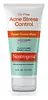
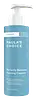
Neutrogena Oil Free Acne Stress Control Power-Cream Wash Versus Paula's Choice Resist Perfectly Balanced Foaming Cleanser
This salicylic acid cream cleanser is formulated around Salicylic Acid to clear breakouts and unclog pores.
This mild cream cleanser is made to cleanse without leaving your skin tight or dry.

What's inside
What's inside
 Key Ingredients
Benefits
Concerns
Ingredients Side-by-side
Salicylic Acid 2%
Masking










Water
Skin ConditioningCetyl Alcohol
Emollient


PPG-15 Stearyl Ether
EmollientGlycolic Acid
Buffering




Glycerin
Humectant

Steareth-21
CleansingPolysorbate 60
Emulsifying
C12-15 Alkyl Lactate
EmollientCetyl Lactate
EmollientPotassium Cetyl Phosphate
EmulsifyingSodium Hydroxide
BufferingParfum
Masking

Cocamidopropyl Pg-Dimonium Chloride Phosphate
Xanthan Gum
EmulsifyingDisodium EDTA
ChelatingMenthol
Masking
Benzalkonium Chloride
Antimicrobial
Panthenol
Skin Conditioning

Butylene Glycol
Humectant
Camellia Oleifera Leaf Extract
AstringentCucumis Sativus Fruit Extract
Emollient
CI 61570
Cosmetic ColorantCI 19140
Cosmetic ColorantCI 42090
Cosmetic ColorantSalicylic Acid 2%, Water, Cetyl Alcohol, PPG-15 Stearyl Ether, Glycolic Acid, Glycerin, Steareth-21, Polysorbate 60, C12-15 Alkyl Lactate, Cetyl Lactate, Potassium Cetyl Phosphate, Sodium Hydroxide, Parfum, Cocamidopropyl Pg-Dimonium Chloride Phosphate, Xanthan Gum, Disodium EDTA, Menthol, Benzalkonium Chloride, Panthenol, Butylene Glycol, Camellia Oleifera Leaf Extract, Cucumis Sativus Fruit Extract, CI 61570, CI 19140, CI 42090
Water
Skin ConditioningSodium Lauroamphoacetate
CleansingSodium Cocoyl Isethionate
Cleansing
Stearic Acid
Cleansing
Glycerin
Humectant
Glycol Distearate
Emollient
Helianthus Annuus Seed Oil
Emollient
Acrylates Copolymer
Cetearyl Alcohol
Emollient
Sodium Hyaluronate
Humectant
Ceramide NP
Skin Conditioning
Ceramide AP
Skin Conditioning
Ceramide EOP
Skin Conditioning
Phytosphingosine
Skin Conditioning
Phospholipids
Skin Conditioning
Sphingolipids
Emollient
Lecithin
Emollient
Arginine
Masking
Cholesterol
Emollient
Aloe Barbadensis Leaf Extract
Emollient
Disodium EDTA
ChelatingSodium Chloride
MaskingSodium Hydroxide
BufferingSodium Lauroyl Lactylate
EmulsifyingXanthan Gum
EmulsifyingCarbomer
Emulsion StabilisingHexylene Glycol
EmulsifyingPhenoxyethanol
Preservative
Caprylyl Glycol
Emollient
Water, Sodium Lauroamphoacetate, Sodium Cocoyl Isethionate, Stearic Acid, Glycerin, Glycol Distearate, Helianthus Annuus Seed Oil, Acrylates Copolymer, Cetearyl Alcohol, Sodium Hyaluronate, Ceramide NP, Ceramide AP, Ceramide EOP, Phytosphingosine, Phospholipids, Sphingolipids, Lecithin, Arginine, Cholesterol, Aloe Barbadensis Leaf Extract, Disodium EDTA, Sodium Chloride, Sodium Hydroxide, Sodium Lauroyl Lactylate, Xanthan Gum, Carbomer, Hexylene Glycol, Phenoxyethanol, Caprylyl Glycol
Reviews
Ingredients Explained
These ingredients are found in both products.
Ingredients higher up in an ingredient list are typically present in a larger amount.
Disodium EDTA is a chelating agent. It grabs onto and deactivates metal ions that sneak into your products from water, packaging, or air.
This ingredient mainly works behind the scenes and helps with:
On top of that, this ingredient can counteract the effects of hard water by binding to the minerals in it.
One thing worth knowing is that Disodium EDTA has been shown to be a mild penetration enhancer. It can help other ingredients absorb into skin more effectively which can be a double-edged sword (great for actives, but can also make the active too strong if you have sensitive skin).
Clinical patch testing showed no significant skin irritation at typical use concentrations and minimal dermal absorption.
You'll most likely see this ingredient near the end of an ingredient list. It's typically found in concentrations less than 1%.
Learn more about Disodium EDTAGlycerin (or glycerol) is a compound naturally found in your skin. It's a powerhouse humectant that pulls water into the stratum corneum.
Topically, glycerin does several things at once:
Your skin makes glycerin on its own (mostly from sebaceous oil breakdown) and shuttles it to your outermost layer of skin, or your epidermis, via aquaporin-3.
Aquaporin-3 is a transporter that is essential for normal skin hydration, elasticity, and repair. Interestingly, mice lacking in AQP3 have dry and less elastic skin that can be fully corrected with glycerin.
This ingredient is non-irritating, plays well with almost every ingredient, and works across all skin types. Typical use is anywhere between 3-10% but can go up to 79% in some leave-on products.
Just know very high concentrations (>40%) can feel tacky in low humidity.
Glycerin is the name for this ingredient in American English. British English uses Glycerol/Glycerine.
Learn more about GlycerinSodium Hydroxide is also known as lye or caustic soda. It is used to adjust the pH of products; many ingredients require a specific pH to be effective.
In small amounts, sodium hydroxide is considered safe to use. However, large amounts may cause chemical burns due to its high alkaline.
Your skin has a natural pH and acid mantle. This acid mantle helps prevent harmful bacteria from breaking through. The acid mantle also helps keep your skin hydrated.
"Alkaline" refers to a high pH level. A low pH level would be considered acidic.
Learn more about Sodium HydroxideWater. It's the most common cosmetic ingredient of all. You'll usually see it at the top of ingredient lists, meaning that it makes up the largest part of the product.
So why is it so popular? Water most often acts as a solvent - this means that it helps dissolve other ingredients into the formulation.
You'll also recognize water as that liquid we all need to stay alive. If you see this, drink a glass of water. Remember to stay hydrated!
Learn more about WaterXanthan gum is used as a stabilizer and thickener within cosmetic products. It helps give products a sticky, thick feeling - preventing them from being too runny.
On the technical side of things, xanthan gum is a polysaccharide - a combination consisting of multiple sugar molecules bonded together.
Xanthan gum is a pretty common and great ingredient. It is a natural, non-toxic, non-irritating ingredient that is also commonly used in food products.
Learn more about Xanthan Gum

