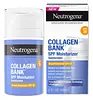
This chemical sunscreen covers most of the UV range, lighter on the deep UVA that drives aging.
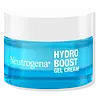
This barrier-repair moisturizer is formulated around Sodium Hyaluronate to strengthen the skin barrier and hydrate skin.

What's inside
What's inside
 Key Ingredients
Benefits
Concerns
Ingredients Side-by-side
Butyl Methoxydibenzoylmethane 2.5%
UV Absorber
Homosalate 6%
Skin Conditioning
Ethylhexyl Salicylate 4.5%
UV Absorber
Octocrylene 8%
UV Absorber

Water
Skin ConditioningSilica
Abrasive


Caprylyl Methicone
Skin Conditioning
Diisopropyl Adipate
EmollientDimethicone
Emollient
Potassium Cetyl Phosphate
EmulsifyingSynthetic Beeswax
Emulsion Stabilising

Benzyl Alcohol
Perfuming




Hydrolyzed Collagen
Emollient

Acetyl Dipeptide-31 Amide
Skin Conditioning
Tocopheryl Acetate
Antioxidant


Jojoba Esters
Emollient
Hydrolyzed Jojoba Esters
Skin Conditioning
Caprylyl Glycol
Emollient
Ethylhexylglycerin
Skin ConditioningCetyl Dimethicone
Emollient
Glyceryl Stearate
Emollient
PEG-100 Stearate
Surfactant
Behenyl Alcohol
Emollient
Xanthan Gum
EmulsifyingSodium Polyacrylate
Absorbent
Acrylates/Dimethicone Copolymer
Skin Conditioning
Dimethicone/PEG-10/15 Crosspolymer
Ethylhexyl Stearate
Emollient

Chlorphenesin
Antimicrobial
Disodium EDTA
ChelatingTrideceth-6
EmulsifyingBHT
Antioxidant
Butyl Methoxydibenzoylmethane 2.5%, Homosalate 6%, Ethylhexyl Salicylate 4.5%, Octocrylene 8%, Water, Silica, Caprylyl Methicone, Diisopropyl Adipate, Dimethicone, Potassium Cetyl Phosphate, Synthetic Beeswax, Benzyl Alcohol, Hydrolyzed Collagen, Acetyl Dipeptide-31 Amide, Tocopheryl Acetate, Jojoba Esters, Hydrolyzed Jojoba Esters, Caprylyl Glycol, Ethylhexylglycerin, Cetyl Dimethicone, Glyceryl Stearate, PEG-100 Stearate, Behenyl Alcohol, Xanthan Gum, Sodium Polyacrylate, Acrylates/Dimethicone Copolymer, Dimethicone/PEG-10/15 Crosspolymer, Ethylhexyl Stearate, Chlorphenesin, Disodium EDTA, Trideceth-6, BHT
Water
Skin ConditioningGlycerin
Humectant
Dimethicone
Emollient
Cetearyl Olivate
Sorbitan Olivate
Emulsifying
Sodium Hyaluronate
Humectant

Serine
Masking
Glycine
Buffering
Alanine
Masking
Threonine
Arginine
Masking
Proline
Skin Conditioning
Lysine Hcl
Skin Conditioning
Glutamic Acid
Humectant
Sodium PCA
Humectant
PCA
Humectant
Sodium Lactate
Buffering
Urea
Buffering

Sodium Chloride
MaskingCitric Acid
Buffering
Betaine
Humectant
Allantoin
Skin Conditioning
Fructose
Humectant
Maltose
MaskingTrehalose
Humectant
Glucose
Humectant
Pentylene Glycol
Skin Conditioning
Synthetic Beeswax
Emulsion Stabilising
Polyacrylate Crosspolymer-6
Emulsion StabilisingDimethicone Crosspolymer
Emulsion Stabilising
Dimethiconol
Emollient
Ethylhexylglycerin
Skin ConditioningCaprylyl Glycol
Emollient
Sodium Hydroxide
BufferingWater, Glycerin, Dimethicone, Cetearyl Olivate, Sorbitan Olivate, Sodium Hyaluronate, Serine, Glycine, Alanine, Threonine, Arginine, Proline, Lysine Hcl, Glutamic Acid, Sodium PCA, PCA, Sodium Lactate, Urea, Sodium Chloride, Citric Acid, Betaine, Allantoin, Fructose, Maltose, Trehalose, Glucose, Pentylene Glycol, Synthetic Beeswax, Polyacrylate Crosspolymer-6, Dimethicone Crosspolymer, Dimethiconol, Ethylhexylglycerin, Caprylyl Glycol, Sodium Hydroxide
Reviews
Ingredients Explained
These ingredients are found in both products.
Ingredients higher up in an ingredient list are typically present in a larger amount.
Caprylyl Glycol is a humectant, skin conditioner, emollient, and preservative booster derived from either caprylic acid or synthetically created.
Typical use levels vary from 0.3-1% as a preservative booster and go up to 2% to condition skin.
Because it is not a free-fatty acid, this ingredient is fungal acne safe (there's nothing for Malassezia to feed on).
Learn more about Caprylyl GlycolDimethicone is a type of synthetic silicone created from natural materials such as quartz. It is also known as polydimethylsiloxane.
What it does:
Dimethicone comes in different viscosities:
Depending on the viscosity, dimethicone has different properties.
Ingredients lists don't always show which type is used, so we recommend reaching out to the brand if you have questions about the viscosity.
This ingredient is unlikely to cause irritation because it does not get absorbed into skin. However, people with silicone allergies should be careful about using this ingredient.
Note: Dimethicone may contribute to pilling. This is because it is not oil or water soluble, so pilling may occur when layered with products. When mixed with heavy oils in a formula, the outcome is also quite greasy.
Learn more about DimethiconeEthylhexylglycerin is created from glycerin. It is a multitasker ingredient that:
The CIR Expert Panel found minimal skin absorption or sensitization of any kind in a safety assessment. Though this ingredient is considered well-tolerated, a small number of cases of allergic dermatitis have been published since 2002. Just be sure to patch test if you are unsure.
Industry-reported use ranges from 8% in rinse-off products and 2% in leave-on formulations.
Learn more about EthylhexylglycerinSynthetic beeswax is created to be identical in structure to beeswax without involving bees, making it a go-to for vegan formulas.
It's mainly used an an emulsion stabilizer and thickener.
This ingredient (alongside other synthetic waxes) have been concluded to be safe in cosmetics under the present practices.
Reported usage goes up to 18% and it is non-sensitizing.
Just one caveat for fungal acne: This ingredient is made up of C16-32 fatty acids and fatty acid esters. Part of this overlaps with the C11-24 range that the Malassezia yeast can feed on, so it's not fungal-acne safe.
Learn more about Synthetic BeeswaxWater. It's the most common cosmetic ingredient of all. You'll usually see it at the top of ingredient lists, meaning that it makes up the largest part of the product.
So why is it so popular? Water most often acts as a solvent - this means that it helps dissolve other ingredients into the formulation.
You'll also recognize water as that liquid we all need to stay alive. If you see this, drink a glass of water. Remember to stay hydrated!
Learn more about Water

