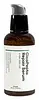
This barrier-repair serum is formulated around Panthenol and Hexapeptide-11 to strengthen the skin barrier and calm redness.
This anti-aging serum is formulated around Nicotiana Benthamiana Hexapeptide-40 Sh-Oligopeptide-1 and Sh-Oligopeptide-1 to soften the look of wrinkles and strengthen the skin barrier.


What's inside
What's inside
 Key Ingredients
Benefits
Ingredients Side-by-side
Water
Skin ConditioningPropanediol
Solvent

Glycereth-26
Humectant
1,2-Hexanediol
Skin Conditioning
Panthenol
Skin Conditioning


Butylene Glycol
Humectant
Tromethamine
BufferingCarbomer
Emulsion StabilisingAcrylates/C10-30 Alkyl Acrylate Crosspolymer
Emulsion StabilisingBetaine
Humectant
Xanthan Gum
EmulsifyingDisodium EDTA
ChelatingLecithin
Emollient
Acetyl Glutamine
Skin ConditioningAspalathus Linearis Extract
Skin ConditioningSodium Hyaluronate
Humectant

Caprylyl Glycol
Emollient
Bacillus/Soybean Ferment Extract
Skin ConditioningOligopeptide-1
Skin Conditioning


Folic Acid
Skin ConditioningHexapeptide-11
Skin Conditioning
Oligopeptide-2
Skin Conditioning
Oligopeptide-3
Skin Conditioning
Centella Asiatica Extract
Cleansing
Camellia Sinensis Leaf Extract
Antimicrobial



Pyrus Malus Fruit Extract
Skin Conditioning
Fragaria Chiloensis Fruit Extract
Skin Conditioning
Vaccinium Angustifolium Fruit Extract
Skin Protecting
Arctostaphylos Uva-Ursi Leaf Extract
Skin Conditioning
Rubus Fruticosus Fruit Extract
AstringentMadecassoside
Antioxidant
Asiaticoside
Antioxidant
Madecassic Acid
Skin Conditioning
Asiatic Acid
Skin Conditioning
Water, Propanediol, Glycereth-26, 1,2-Hexanediol, Panthenol, Butylene Glycol, Tromethamine, Carbomer, Acrylates/C10-30 Alkyl Acrylate Crosspolymer, Betaine, Xanthan Gum, Disodium EDTA, Lecithin, Acetyl Glutamine, Aspalathus Linearis Extract, Sodium Hyaluronate, Caprylyl Glycol, Bacillus/Soybean Ferment Extract, Oligopeptide-1, Folic Acid, Hexapeptide-11, Oligopeptide-2, Oligopeptide-3, Centella Asiatica Extract, Camellia Sinensis Leaf Extract, Pyrus Malus Fruit Extract, Fragaria Chiloensis Fruit Extract, Vaccinium Angustifolium Fruit Extract, Arctostaphylos Uva-Ursi Leaf Extract, Rubus Fruticosus Fruit Extract, Madecassoside, Asiaticoside, Madecassic Acid, Asiatic Acid
Water
Skin ConditioningGlycerin
Humectant
1,2-Hexanediol
Skin Conditioning
Nicotiana Benthamiana Hexapeptide-40 Sh-Oligopeptide-1
Skin Conditioning
N-Prolyl Palmitoyl Tripeptide-56 Acetate
Skin Conditioning
Sh-Oligopeptide-1
Skin Conditioning
Sh-Oligopeptide-2
Skin Conditioning
Sh-Polypeptide-1
Skin Conditioning
Sh-Polypeptide-11
Sh-Polypeptide-9
Skin Conditioning
Acetyl Hexapeptide-8
Humectant
Acetyl Glutamine
Skin ConditioningCopper Tripeptide-1
Skin Conditioning
Raphanus Sativus Root Extract
AstringentBacillus/Folic Acid Ferment Filtrate Extract
Antioxidant
Hydroxyacetophenone
Antioxidant
Disodium Acetyl Glucosamine Phosphate
Skin ConditioningSodium Glucuronate
HumectantSodium Hyaluronate
Humectant
Sodium Phytate
ChelatingMagnesium Sulfate
Hydroxyethylcellulose
Emulsion StabilisingLecithin
Emollient
Citric Acid
Buffering

Maltodextrin
Absorbent
Propanediol
Solvent
Butylene Glycol
Humectant
Pentylene Glycol
Skin Conditioning
Ethylhexylglycerin
Skin ConditioningCaprylyl Glycol
Emollient
Phenoxyethanol
Preservative
Water, Glycerin, 1,2-Hexanediol, Nicotiana Benthamiana Hexapeptide-40 Sh-Oligopeptide-1, N-Prolyl Palmitoyl Tripeptide-56 Acetate, Sh-Oligopeptide-1, Sh-Oligopeptide-2, Sh-Polypeptide-1, Sh-Polypeptide-11, Sh-Polypeptide-9, Acetyl Hexapeptide-8, Acetyl Glutamine, Copper Tripeptide-1, Raphanus Sativus Root Extract, Bacillus/Folic Acid Ferment Filtrate Extract, Hydroxyacetophenone, Disodium Acetyl Glucosamine Phosphate, Sodium Glucuronate, Sodium Hyaluronate, Sodium Phytate, Magnesium Sulfate, Hydroxyethylcellulose, Lecithin, Citric Acid, Maltodextrin, Propanediol, Butylene Glycol, Pentylene Glycol, Ethylhexylglycerin, Caprylyl Glycol, Phenoxyethanol
Ingredients Explained
These ingredients are found in both products.
Ingredients higher up in an ingredient list are typically present in a larger amount.
1,2-Hexanediol is a synthetic liquid and another multi-functional powerhouse.
It is a:
- Humectant, drawing moisture into the skin
- Emollient, helping to soften skin
- Solvent, dispersing and stabilizing formulas
- Preservative booster, enhancing the antimicrobial activity of other preservatives
We don't have a description for Acetyl Glutamine yet.
Butylene Glycol (or BG) is used within cosmetic products for a few different reasons:
Overall, Butylene Glycol is a safe and well-rounded ingredient that works well with other ingredients.
Though this ingredient works well with most skin types, some people with sensitive skin may experience a reaction such as allergic rashes, closed comedones, or itchiness.
Learn more about Butylene GlycolCaprylyl Glycol is a humectant, skin conditioner, emollient, and preservative booster derived from either caprylic acid or synthetically created.
Typical use levels vary from 0.3-1% as a preservative booster and go up to 2% to condition skin.
Because it is not a free-fatty acid, this ingredient is fungal acne safe (there's nothing for Malassezia to feed on).
Learn more about Caprylyl GlycolLecithin is a term for a group of substances found in the cell membranes of plants, animals, and humans. They are made up of phospholipids.
Thanks to its amphiphilic structure (water-loving head and oil-loving tail), it is a true multitasker:
It plays well with most ingredients and is typically used at 0.1-1%. However, concentrations up to 50% have been reported in moisturizers.
Learn more about LecithinPropanediol is an all-star ingredient. It softens, hydrates, and smooths the skin.
It’s often used to:
Propanediol is not likely to cause sensitivity and considered safe to use. It is derived from corn or petroleum with a clear color and no scent.
Learn more about PropanediolSodium Hyaluronate is the salt form of hyaluronic acid. It is a long sugar chain that is naturally found in your skin, joints, and connective tissue that maintains hydration and elasticity.
In skincare, it works as a humectant. It pulls water from the environment and deeper layers of skin and binds it to the surface.
Interestingly, the size of the molecule affects its behavior:
Some clinical evidence links low molecular weight versions to improved wrinkle depth, elasticity, anti-inflammatory effects, and barrier repair.
Many serums use a blend of both weights so you can get surface hydration plus longer-lasting and deeper effects.
You'll typically see concentrations between 0.1-2% for this ingredient.
Learn more about Sodium HyaluronateWater. It's the most common cosmetic ingredient of all. You'll usually see it at the top of ingredient lists, meaning that it makes up the largest part of the product.
So why is it so popular? Water most often acts as a solvent - this means that it helps dissolve other ingredients into the formulation.
You'll also recognize water as that liquid we all need to stay alive. If you see this, drink a glass of water. Remember to stay hydrated!
Learn more about Water

