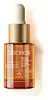
This brightening serum is formulated around Ascorbic Acid and 3-O-Ethyl Ascorbic Acid to brighten dull-looking skin and soften the look of wrinkles.
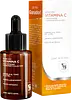
This brightening serum is formulated around Niacinamide and Ascorbic Acid to brighten dull-looking skin and fade the look of dark spots.


What's inside
What's inside
 Key Ingredients
Benefits
Concerns
Ingredients Side-by-side
Water
Skin ConditioningAscorbic Acid
Antioxidant






3-O-Ethyl Ascorbic Acid
Skin Conditioning

Glycerin
Humectant

Propanediol
Solvent
Alcohol
Antimicrobial




Citric Acid
Buffering
PEG-40 Hydrogenated Castor Oil
Emulsifying

Tocopherol
Antioxidant
Parfum
Masking

Panthenol
Skin Conditioning
Sodium Hydroxide
BufferingTriethyl Citrate
Masking
Caprylyl Glycol
Emollient
1,2-Hexanediol
Skin Conditioning
Ferulic Acid
Antimicrobial
Sodium Citrate
BufferingDimethicone
Emollient
Disodium EDTA
ChelatingCitronellol
Perfuming
Inga Edulis Leaf Extract
Antioxidant
Euterpe Oleracea Seed Extract
Antioxidant
Silica
Abrasive

Theobroma Cacao Seed Extract
Antioxidant
Alpha-Isomethyl Ionone
Perfuming
Casearia Sylvestris Leaf Extract
Skin ConditioningSodium Carbonate
BufferingGeraniol
Perfuming
Conobea Scoparioides Leaf Oil
Masking
Malonic Acid
BufferingVanillin
Masking
Hydroxyacetophenone
Antioxidant
Sodium Chloride
MaskingPhenoxyethanol
Preservative
Water, Ascorbic Acid, 3-O-Ethyl Ascorbic Acid, Glycerin, Propanediol, Alcohol, Citric Acid, PEG-40 Hydrogenated Castor Oil, Tocopherol, Parfum, Panthenol, Sodium Hydroxide, Triethyl Citrate, Caprylyl Glycol, 1,2-Hexanediol, Ferulic Acid, Sodium Citrate, Dimethicone, Disodium EDTA, Citronellol, Inga Edulis Leaf Extract, Euterpe Oleracea Seed Extract, Silica, Theobroma Cacao Seed Extract, Alpha-Isomethyl Ionone, Casearia Sylvestris Leaf Extract, Sodium Carbonate, Geraniol, Conobea Scoparioides Leaf Oil, Malonic Acid, Vanillin, Hydroxyacetophenone, Sodium Chloride, Phenoxyethanol
Water
Skin ConditioningNiacinamide
Smoothing

Helianthus Annuus Seed Oil
Emollient
Propylene Glycol
Humectant
Propylheptyl Caprylate
EmollientBis-PEG/PPG-20/5 PEG/PPG-20/5 Dimethicone
Emulsifying
Methoxy PEG/PPG-25/4 Dimethicone
Emulsifying
Hamamelis Virginiana Leaf Water
Astringent
Phenoxyethanol
Preservative
Polymethylsilsesquioxane
Hdi/Trimethylol Hexyllactone Crosspolymer
Caprylic/Capric Triglyceride
Masking
Acacia Senegal Gum
MaskingPolyacrylate Crosspolymer-6
Emulsion StabilisingCetyl PEG/PPG-10/1 Dimethicone
Emulsifying
Xanthan Gum
EmulsifyingParfum
Masking
Ethylhexylglycerin
Skin ConditioningCitric Acid
Buffering
Sorbitol
Humectant
Alcohol
Antimicrobial
Tris(Tetramethylhydroxypiperidinol)Citrate
StabilisingAscorbic Acid
Antioxidant
Colloidal Gold
AntimicrobialGlutathione
Water, Niacinamide, Helianthus Annuus Seed Oil, Propylene Glycol, Propylheptyl Caprylate, Bis-PEG/PPG-20/5 PEG/PPG-20/5 Dimethicone, Methoxy PEG/PPG-25/4 Dimethicone, Hamamelis Virginiana Leaf Water, Phenoxyethanol, Polymethylsilsesquioxane, Hdi/Trimethylol Hexyllactone Crosspolymer, Caprylic/Capric Triglyceride, Acacia Senegal Gum, Polyacrylate Crosspolymer-6, Cetyl PEG/PPG-10/1 Dimethicone, Xanthan Gum, Parfum, Ethylhexylglycerin, Citric Acid, Sorbitol, Alcohol, Tris(Tetramethylhydroxypiperidinol)Citrate, Ascorbic Acid, Colloidal Gold, Glutathione
Ingredients Explained
These ingredients are found in both products.
Ingredients higher up in an ingredient list are typically present in a larger amount.
This ingredient is also called ethanol or ethyl alcohol. It is denatured, meaning made undrinkable for cosmetic use.
In formulas, it:
Is it bad for your skin?
The answer comes down to concentration. Patch and wash studies have found highly concentrated alcohol-based hand rubs (60-100%) cause less barrier disruption than washing with a basic detergent like SLS. The only measurable effect in these studies was a temporary dip in skin hydration.
Concentrations below 12-15% in leave-on cosmetics is generally well-tolerated. Concentrations above start to see increased transepidermal water loss (TEWL) and reduced hydration.
In concentrations about 58%, it creates temporary channels in your skin's lipid layers to become more permeable and allow other ingredients to slip through easily.
This ingredient can be up to 80% of the formula in alcohol-based perfumes.
Overall, this ingredient is probably harmless if found lower down an ingredients list but worth side-eyeing if it's high up (especially if your barrier is already struggling).
Alcohol can worsen dry skin, eczema, and oily skin, especially at higher concentrations. This is because it can increase transepidermal water loss and decrease hydration to disrupt the skin barrier.
According to the National Rosacea Society based in the US, you should be mindful of products with these alcohols in the top half of ingredients.
True allergic contact dermatitis to ethanol is uncommon, but be sure to patch test if you have dry or sensitive skin.
Learn more about AlcoholAscorbic Acid is is pure Vitamin C and is the biologically active form used directly by skin.
Not only is vitamin C great for your overall health and immune system, but it also has plenty of benefits for your skin. It is best supported by academic literature for:
Topical vitamin C has been shown to help neutralize oxidative stress from UV and pollution, helping to improve photoaging and hyperpigmentation when used consistently.
One clinical study found that using 5% topical vitamin C for six months improved signs of photodamaged skin, both on the surface and in the deeper structural layers of the skin.
While vitamin C doesn’t replace sunscreen, studies show it can boost photoprotection when combined with Vitamin E and ferulic acid. These two ingredients help improve stability and protective effects.
The big downside of this ingredient is formulation difficulty. Vitamin C is prone to oxidation and doesn't penetrate the skin unless formulated correctly. Research found that vitamin C absorbs into the skin best at a low pH (< 3.5) with about 20% being the upper limit for effective absorption.
Skin levels can saturate after repeated application; this means your skin won’t keep absorbing more once it’s full of vitamin C. This is why more isn’t always better with vitamin C and why very high concentrations don’t necessarily give extra benefits.
Ascorbic acid generally works well with many skincare ingredients but can be irritating when combined with other active ingredients. Strong oxidizing acne treatments like benzoyl peroxide can reduce the effectiveness of vitamin C if they are used at the same time; they are often recommended for use at different times of day.
Read more about other types of Vitamin C:
Foods rich with vitamin C include oranges, strawberries, broccoli, bell peppers, and more. When consuming Vitamin C, your skin receives a portion of the nutrients.
Learn more about Ascorbic AcidCitric Acid is an alpha hydroxy acid (AHA) naturally found in citrus fruits like oranges, lemons, and limes.
Like other AHAs, citric acid can exfoliate skin by breaking down the bonds that hold dead skin cells together. This helps reveal smoother and brighter skin underneath.
However, this exfoliating effect only happens at high concentrations (20%) which can be hard to find in cosmetic products.
Due to this, citric acid is usually included in small amounts as a pH adjuster. This helps keep products slightly more acidic and compatible with skin's natural pH.
In skincare formulas, citric acid can:
While it can provide some skin benefits, research shows lactic acid and glycolic acid are generally more effective and less irritating exfoliants.
Most citric acid used in skincare today is made by fermenting sugars (usually from molasses). This synthetic version is identical to the natural citrus form but easier to stabilize and use in formulations.
Rosacea skin has a lower threshold for acids generally, with 62.5% of rosacea subjects in one study reacting to lactic acid in a sting test. This is why we mark citric acid as a potential rosacea trigger.
However, this ingredient shows up as a pH adjuster or chelator at roughly 0.1-1% in many products. These low levels are unlikely to be an issue for rosacea skin and becomes a potential trigger at exfoliating concentrations (20%). Because everybody's skin is unique, we recommend a patch test if you are unsure.
Learn more about Citric AcidParfum is a catch-all term for an ingredient or more that is used to give a scent to products.
Also called "fragrance", this ingredient can be a blend of hundreds of chemicals or plant oils. This means every product with "fragrance" or "parfum" in the ingredients list is a different mixture.
For instance, Habanolide is a proprietary trade name for a specific aroma chemical. When used as a fragrance ingredient in cosmetics, most aroma chemicals fall under the broad labeling category of “FRAGRANCE” or “PARFUM” according to EU and US regulations.
The term 'parfum' or 'fragrance' is not regulated in many countries. In many cases, it is up to the brand to define this term.
For instance, many brands choose to label themselves as "fragrance-free" because they are not using synthetic fragrances. However, their products may still contain ingredients such as essential oils that are considered a fragrance by INCI standards.
One example is Calendula flower extract. Calendula is an essential oil that still imparts a scent or 'fragrance'.
Depending on the blend, the ingredients in the mixture can cause allergies and sensitivities on the skin. Some ingredients that are known EU allergens include linalool and citronellol.
Parfum can also be used to mask or cover an unpleasant scent.
The bottom line is: not all fragrances/parfum/ingredients are created equally. If you are worried about fragrances, we recommend taking a closer look at an ingredient. And of course, we always recommend speaking with a professional.
Learn more about ParfumPhenoxyethanol is one of the most widely used preservatives in skincare (and for good reason!).
It has a large spectrum of antimicrobial activity and especially effective bacteria, yeast, and mold while only having a weak effect on your skin's natural microbiome.
On a cellular level, it disrupts the cell membranes of microbes by poking holes that make the cell leak. This shuts down the chemical reactions the microbe needs to make energy so it can no longer survive.
Another perk of this ingredient is that it stays functional across a wide pH range (3-10).
You'll often see it paired with boosters like Ethylhexylglycerin; one study showed that a 1:9 ratio of Ethylhexylglycerin to Phenoxyethanol damages bacterial membranes as effectively as doubling the Phenoxyethanol concentration on its own.
Typical use concentrations range from 0.3-1% depending on the formula, and this ingredient is capped at 1% int the EU.
Safety-wise, the fear mongering does not hold up to the evidence. The EU's Scientific Committee on Consumer Safety and FDA consider it safe as a preservative at up to 1%, including for children of all ages.
Adverse systemic effects only showed up in animal studies at exposures roughly 200x higher than what people get from cosmetics. And despite its very widespread use, this ingredient is a rare sensitizer and allergic reactions are uncommon.
Learn more about PhenoxyethanolWater. It's the most common cosmetic ingredient of all. You'll usually see it at the top of ingredient lists, meaning that it makes up the largest part of the product.
So why is it so popular? Water most often acts as a solvent - this means that it helps dissolve other ingredients into the formulation.
You'll also recognize water as that liquid we all need to stay alive. If you see this, drink a glass of water. Remember to stay hydrated!
Learn more about Water


