

What's inside
What's inside
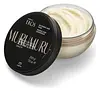 Key Ingredients
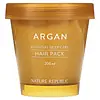
Benefits
Concerns
Ingredients Side-by-side
Water
Skin ConditioningStearyl Alcohol
Emollient


Stearamidopropyl Dimethylamine
EmulsifyingCetearyl Alcohol
Emollient



Astrocaryum Murumuru Seed Butter
Emollient
Behentrimonium Chloride
Preservative
Dimethiconol
Emollient
Glycerin
Humectant


Parfum
Masking


Dimethicone
Emollient
Sorbitol
Humectant
Phenoxyethanol
Preservative
Citric Acid
Buffering

Hydroxyethyl Urea
Humectant
Hydroxyethylcellulose
Emulsion StabilisingLactic Acid
Buffering




Isopropyl Alcohol
Solvent

Disodium EDTA
ChelatingPEG-4 Laurate
Emulsifying
PEG-4 Dilaurate
Emulsifying
Tea-Dodecylbenzenesulfonate
CleansingSodium Acetate
BufferingAmmonium Lactate
Buffering
Sodium Benzoate
Masking
PEG-200
HumectantIodopropynyl Butylcarbamate
Preservative
Triethanolamine
BufferingCellulose
Absorbent
Sodium Chloride
MaskingMethylchloroisothiazolinone
Preservative
Methylisothiazolinone
Preservative
Sodium Sulfate
Benzyl Salicylate
Perfuming
Linalool
Perfuming
Limonene
Perfuming
CI 19140
Cosmetic ColorantCI 15510
Cosmetic ColorantWater, Stearyl Alcohol, Stearamidopropyl Dimethylamine, Cetearyl Alcohol, Astrocaryum Murumuru Seed Butter, Behentrimonium Chloride, Dimethiconol, Glycerin, Parfum, Dimethicone, Sorbitol, Phenoxyethanol, Citric Acid, Hydroxyethyl Urea, Hydroxyethylcellulose, Lactic Acid, Isopropyl Alcohol, Disodium EDTA, PEG-4 Laurate, PEG-4 Dilaurate, Tea-Dodecylbenzenesulfonate, Sodium Acetate, Ammonium Lactate, Sodium Benzoate, PEG-200, Iodopropynyl Butylcarbamate, Triethanolamine, Cellulose, Sodium Chloride, Methylchloroisothiazolinone, Methylisothiazolinone, Sodium Sulfate, Benzyl Salicylate, Linalool, Limonene, CI 19140, CI 15510
Water
Skin ConditioningDimethicone
Emollient
Propylene Glycol
Humectant
Cetearyl Alcohol
Emollient
Stearamidopropyl Dimethylamine
EmulsifyingQuaternium-18
SurfactantBehentrimonium Chloride
Preservative
Isopropyl Alcohol
Solvent
Hydroxyethylcellulose
Emulsion StabilisingRehmannia Chinensis Root Extract
Skin ConditioningAmodimethicone
Citric Acid
Buffering
Butylene Glycol
Humectant
Argania Spinosa Kernel Oil
Emollient

Mentha Arvensis Extract
Masking1,2-Hexanediol
Skin Conditioning
Acorus Calamus Root Extract
Perfuming
Biota Orientalis Leaf Extract
HumectantChrysanthemum Zawadskii Extract
Skin ConditioningGlycyrrhiza Glabra Root Extract
Bleaching
Lycium Chinense Fruit Extract
Antioxidant
Morus Alba Bark Extract
Skin ConditioningPanax Ginseng Root Extract
Emollient
Xanthium Strumarium Fruit Extract
Skin ConditioningEthylhexylglycerin
Skin ConditioningOenothera Biennis Oil
Emollient
Rosa Canina Fruit Oil
Emollient
Biotin
AntiseborrhoeicHydrolyzed Corn Protein
Skin ConditioningHydrolyzed Soy Protein
Humectant
Hydrolyzed Wheat Protein
Skin ConditioningParfum
Masking
Limonene
Perfuming
Hydroxycitronellal
Perfuming
Linalool
Perfuming
Water, Dimethicone, Propylene Glycol, Cetearyl Alcohol, Stearamidopropyl Dimethylamine, Quaternium-18, Behentrimonium Chloride, Isopropyl Alcohol, Hydroxyethylcellulose, Rehmannia Chinensis Root Extract, Amodimethicone, Citric Acid, Butylene Glycol, Argania Spinosa Kernel Oil, Mentha Arvensis Extract, 1,2-Hexanediol, Acorus Calamus Root Extract, Biota Orientalis Leaf Extract, Chrysanthemum Zawadskii Extract, Glycyrrhiza Glabra Root Extract, Lycium Chinense Fruit Extract, Morus Alba Bark Extract, Panax Ginseng Root Extract, Xanthium Strumarium Fruit Extract, Ethylhexylglycerin, Oenothera Biennis Oil, Rosa Canina Fruit Oil, Biotin, Hydrolyzed Corn Protein, Hydrolyzed Soy Protein, Hydrolyzed Wheat Protein, Parfum, Limonene, Hydroxycitronellal, Linalool
Reviews
Ingredients Explained
These ingredients are found in both products.
Ingredients higher up in an ingredient list are typically present in a larger amount.
This ingredient is a preservative and often used for it's anti-static properties. You'll most likely see this ingredient in hair conditioners.
It does not cause irritation or sensitization in leave-on products at 1-5%.
Cetearyl alcohol is a waxy mixture of two fatty alcohols: cetyl alcohol and stearyl alcohol. It is an emollient and emulsifier.
Despite having "alcohol" in its name, it has nothing to do with drying solvent alcohols; the FDA also allows "alcohol-free" products to contain fatty alcohols like this ingredient.
It plays several roles in a formula:
Typical use levels for this ingredient sit around 1-10% and the Cosmetic Ingredient Review Expert Panel has affirmed safety at concentrations up to 25% in leave-on products.
Multiple assessments have found it to be non-irritating and non-sensitizing to most people.
However, there have been some cases of allergic contact dermatitis in patients with chronically compromised skin barriers.
Cetearyl alcohol has a comedogenic rating of 2 and irritancy rating of 1. Both of these numbers come from the 1989 study that used rabbit ears; a "2" means mildly comedogenic and a "1" means low irritancy.
Here's the catch: rabbit skin is more sensitive than human skin and throws a lot of false positives. A 1996 reappraisal found that ingredients rated 1-2 in the rabbit ear tests are generally safe for humans.
Remember comedogenic ratings are unable to assess the entire formula of a product or how it will react on your skin. Just be sure to patch test if you are unsure about certain ingredients.
This ingredient is not fungal acne safe. Cetearyl alcohol is a fatty alcohol with chain lengths that fall within the range that Malassezia can metabolize.
A 2019 study has also observed Malassezia growth in the presence of this ingredient, confirming it to be not-fungal acne safe.
Learn more about Cetearyl AlcoholCitric Acid is an alpha hydroxy acid (AHA) naturally found in citrus fruits like oranges, lemons, and limes.
Like other AHAs, citric acid can exfoliate skin by breaking down the bonds that hold dead skin cells together. This helps reveal smoother and brighter skin underneath.
However, this exfoliating effect only happens at high concentrations (20%) which can be hard to find in cosmetic products.
Due to this, citric acid is usually included in small amounts as a pH adjuster. This helps keep products slightly more acidic and compatible with skin's natural pH.
In skincare formulas, citric acid can:
While it can provide some skin benefits, research shows lactic acid and glycolic acid are generally more effective and less irritating exfoliants.
Most citric acid used in skincare today is made by fermenting sugars (usually from molasses). This synthetic version is identical to the natural citrus form but easier to stabilize and use in formulations.
Rosacea skin has a lower threshold for acids generally, with 62.5% of rosacea subjects in one study reacting to lactic acid in a sting test. This is why we mark citric acid as a potential rosacea trigger.
However, this ingredient shows up as a pH adjuster or chelator at roughly 0.1-1% in many products. These low levels are unlikely to be an issue for rosacea skin and becomes a potential trigger at exfoliating concentrations (20%). Because everybody's skin is unique, we recommend a patch test if you are unsure.
Learn more about Citric AcidDimethicone is a type of synthetic silicone created from natural materials such as quartz. It is also known as polydimethylsiloxane.
What it does:
Dimethicone comes in different viscosities:
Depending on the viscosity, dimethicone has different properties.
Ingredients lists don't always show which type is used, so we recommend reaching out to the brand if you have questions about the viscosity.
This ingredient is unlikely to cause irritation because it does not get absorbed into skin. However, people with silicone allergies should be careful about using this ingredient.
Note: Dimethicone may contribute to pilling. This is because it is not oil or water soluble, so pilling may occur when layered with products. When mixed with heavy oils in a formula, the outcome is also quite greasy.
Learn more about DimethiconeHydroxyethylcellulose is used to improve the texture of products. It is created from a chemical reaction involving ethylene oxide and alkali-cellulose. Cellulose is a sugar found in plant cell walls and help give plants structure.
This ingredient helps stabilize products by preventing ingredients from separating. It can also help thicken the texture of a product.
This ingredient can also be found in pill medicines to help our bodies digest other ingredients.
Learn more about HydroxyethylcelluloseIsopropyl Alcohol is a small, fast-evaporating alcohol.
Formulators use it as a solvent, a way to think out thick liquids, an antifoaming agent, and occasionally a fragrance ingredient.
Reported use concentrations run from 0.002%-100% and any number over 50% usually comes from a nail product.
Actual skincare numbers run much lower: cleansers (0.3-26%), toners (0.07-7%), face moisturizers (0.04-0.2%).
The Cosmetic Ingredient Review Expert Panel reviewed it and concluded it is safe in the present practices of use and the International Agency for Research on Cancer classifies it as a non-carcinogenic to humans.
True allergy to this ingredient is uncommon but real: 44 out of 1,450 patients patch tested between 1992-2011 reacted with most cases clustering in people with leg ulcers, occupational hand eczema, or repeated use of Isopropyl Alcohol on already-broken skin.
Irritation and dryness are far more likely than allergy; before you throw away your skincare, just know this is dose-dependent and the risk is modest.
The irritant potential of the alcohols used in hand antiseptics is very low and skin irritation is significantly lower after alcohol application than after detergents (though isopropanol is somewhat more irritating than ethanol).
A 70% solution was a severe eye irritant in rabbit eye tests so the industry keeps this ingredient at low percentages in eye-area products.
One genuine caution: a 70% solution was a severe eye irritant in rabbit eye tests, so it belongs at low percentages in eye-area products, which is where the industry already keeps it.
According to the National Rosacea Society based in the US, you should be mindful of products with these alcohols in the top half of ingredients.
Learn more about Isopropyl AlcoholLimonene is the compound that gives citrus peel its smell.
In skincare, it shows up as a standalone fragrance ingredient or as a natural compound of citrus and other essential oils.
You'll typically see this ingredient used in very small amounts; anything above 0.001% in a leave-on product or 0.01% in a rinse-off has to be named on the label in the EU. The citrus oils that carry it sit around 0.5-1% in a finished formula.
Fresh limonene is a weak allergen; the real issue is that it slowly reacts with air and then breaks down from oxidation to create hydroperoxides (which are strong sensitizers). This is why suppliers are required to keep the peroxide value below 20 mmol.
Positive reactions in people being investigated for eczema vary:
It's worth skipping if you have a known fragrance allergy or a compromised barrier, but the risk is low for most people.
Older or long-opened products are also more likely to bother you than fresh ones due to oxidation.
Learn more about LimoneneLinalool is a small, naturally occurring scent molecule found in plants like lavender, coriander, bergamot, and more.
It is one of the two most-used fragrance ingredients in cosmetics and added purely for smell. Since it's not used for a skin benefit, there's no "effective dose". Concentration depends on the fragrance load of the product.
The EU requires it to be named on the label above 0.001% in leave-on and 0.01% in rinse-off products.
Fresh linalool is a weak sensitizer but air exposure turns some of it into hydroperoxides, which are strong sensitizers. Those oxidation products are the actual allergy concern.
Patch-test clinics see positive reactions to linalool hydroperoxides in about 4% to 12% of dermatitis patients depending on country and test concentration.
Resassuringly, one analytical study found hydroperoxide levels in real fragranced products to be orders of magnitude below what induced sensitization in animal studies with no evidence of oxidation building up during normal storage.
The practical takeaway is that linalool is fine for most people but worth avoiding if you have a confirmed fragrance contact allergy or a badly compromised barrier.
Products stored a long time after opening are also the high-risk scenario since that is when oxidation happens.
The scent of linalool is described as floral, spicy tropical, and citrus-like.
Learn more about LinaloolParfum is a catch-all term for an ingredient or more that is used to give a scent to products.
Also called "fragrance", this ingredient can be a blend of hundreds of chemicals or plant oils. This means every product with "fragrance" or "parfum" in the ingredients list is a different mixture.
For instance, Habanolide is a proprietary trade name for a specific aroma chemical. When used as a fragrance ingredient in cosmetics, most aroma chemicals fall under the broad labeling category of “FRAGRANCE” or “PARFUM” according to EU and US regulations.
The term 'parfum' or 'fragrance' is not regulated in many countries. In many cases, it is up to the brand to define this term.
For instance, many brands choose to label themselves as "fragrance-free" because they are not using synthetic fragrances. However, their products may still contain ingredients such as essential oils that are considered a fragrance by INCI standards.
One example is Calendula flower extract. Calendula is an essential oil that still imparts a scent or 'fragrance'.
Depending on the blend, the ingredients in the mixture can cause allergies and sensitivities on the skin. Some ingredients that are known EU allergens include linalool and citronellol.
Parfum can also be used to mask or cover an unpleasant scent.
The bottom line is: not all fragrances/parfum/ingredients are created equally. If you are worried about fragrances, we recommend taking a closer look at an ingredient. And of course, we always recommend speaking with a professional.
Learn more about ParfumWe don't have a description for Stearamidopropyl Dimethylamine yet.
Water. It's the most common cosmetic ingredient of all. You'll usually see it at the top of ingredient lists, meaning that it makes up the largest part of the product.
So why is it so popular? Water most often acts as a solvent - this means that it helps dissolve other ingredients into the formulation.
You'll also recognize water as that liquid we all need to stay alive. If you see this, drink a glass of water. Remember to stay hydrated!
Learn more about Water

