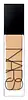
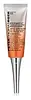
NARS Cosmetics Natural Radiant Longwear Foundation Versus Peter Thomas Roth Potent-C Targeted Spot Brightener


What's inside
What's inside
 Key Ingredients
Benefits
Concerns
Ingredients Side-by-side
Dimethicone
Emollient

Titanium Dioxide
Cosmetic Colorant

Water
Skin ConditioningPhenyl Trimethicone
Skin Conditioning
Glycerin
Humectant

Polymethylsilsesquioxane
PEG-10 Dimethicone
Skin Conditioning
Dimethicone Crosspolymer
Emulsion Stabilising
Iron Oxides
Cyclopentasiloxane
Emollient
Trimethylsiloxysilicate
Emollient
PPG-3 Benzyl Ether Myristate
EmollientBoron Nitride
Absorbent
Bis-Butyldimethicone Polyglyceryl-3
Cleansing
Butylene Glycol
Humectant
Sorbitan Sesquiisostearate
Emulsifying
Hydrogenated Polydecene
EmollientMica
Cosmetic ColorantPhenoxyethanol
Preservative
Disteardimonium Hectorite
StabilisingBehenyl Alcohol
Emollient
CI 77120
Cosmetic ColorantAluminum Dimyristate
Emulsion StabilisingCitrullus Lanatus Fruit Extract
Skin Conditioning
Triethoxycaprylylsilane
Lens Esculenta Fruit Extract
Skin ConditioningPyrus Malus Fruit Extract
Skin Conditioning
Disodium Stearoyl Glutamate
CleansingPentaerythrityl Tetraethylhexanoate
Emollient
Behenic Acid
Cleansing
Stearic Acid
Cleansing
Sodium Stearoyl Glutamate
CleansingStearyl Alcohol
Emollient
Sodium Lactate
Buffering
Potassium Hydroxide
BufferingTin Oxide
Abrasive
Sodium PCA
Humectant
Alumina
Abrasive
Potassium Sorbate
Preservative
Sodium Benzoate
Masking
Tocopherol
Antioxidant





Rubus Idaeus Fruit Extract
AstringentPEG/PPG-14/7 Dimethyl Ether
Skin ConditioningPentaerythrityl Tetra-Di-T-Butyl Hydroxyhydrocinnamate
Antioxidant
Polysilicone-2
Dimethicone, Titanium Dioxide, Water, Phenyl Trimethicone, Glycerin, Polymethylsilsesquioxane, PEG-10 Dimethicone, Dimethicone Crosspolymer, Iron Oxides, Cyclopentasiloxane, Trimethylsiloxysilicate, PPG-3 Benzyl Ether Myristate, Boron Nitride, Bis-Butyldimethicone Polyglyceryl-3, Butylene Glycol, Sorbitan Sesquiisostearate, Hydrogenated Polydecene, Mica, Phenoxyethanol, Disteardimonium Hectorite, Behenyl Alcohol, CI 77120, Aluminum Dimyristate, Citrullus Lanatus Fruit Extract, Triethoxycaprylylsilane, Lens Esculenta Fruit Extract, Pyrus Malus Fruit Extract, Disodium Stearoyl Glutamate, Pentaerythrityl Tetraethylhexanoate, Behenic Acid, Stearic Acid, Sodium Stearoyl Glutamate, Stearyl Alcohol, Sodium Lactate, Potassium Hydroxide, Tin Oxide, Sodium PCA, Alumina, Potassium Sorbate, Sodium Benzoate, Tocopherol, Rubus Idaeus Fruit Extract, PEG/PPG-14/7 Dimethyl Ether, Pentaerythrityl Tetra-Di-T-Butyl Hydroxyhydrocinnamate, Polysilicone-2
Water
Skin ConditioningTetrahexyldecyl Ascorbate
Antioxidant


PEG-8 Beeswax
Emulsifying
Butylene Glycol
Humectant
Magnesium Aluminum Silicate
Absorbent
Cetearyl Alcohol
Emollient

Tocopheryl Acetate
Antioxidant
Glyceryl Stearate
Emollient
PEG-100 Stearate
Ferulic Acid
Antimicrobial
Isopropyl Palmitate
Emollient
Glycerin
Humectant
Ceteareth-20
CleansingDimethicone
Emollient
Allantoin
Skin Conditioning
Aloe Barbadensis Leaf Juice
Skin Conditioning
Angelica Acutiloba Root Extract
Skin ConditioningDictyopteris Polypodioides Extract
EmollientCitric Acid
Buffering

Disodium EDTA
Titanium Dioxide
Cosmetic Colorant
Mica
Cosmetic ColorantPotassium Bitartrate
BufferingPotassium Sorbate
Preservative
Sodium Benzoate
Masking
Phenoxyethanol
Preservative
Water, Tetrahexyldecyl Ascorbate, PEG-8 Beeswax, Butylene Glycol, Magnesium Aluminum Silicate, Cetearyl Alcohol, Tocopheryl Acetate, Glyceryl Stearate, PEG-100 Stearate, Ferulic Acid, Isopropyl Palmitate, Glycerin, Ceteareth-20, Dimethicone, Allantoin, Aloe Barbadensis Leaf Juice, Angelica Acutiloba Root Extract, Dictyopteris Polypodioides Extract, Citric Acid, Disodium EDTA, Titanium Dioxide, Mica, Potassium Bitartrate, Potassium Sorbate, Sodium Benzoate, Phenoxyethanol
Reviews
Ingredients Explained
These ingredients are found in both products.
Ingredients higher up in an ingredient list are typically present in a larger amount.
Butylene Glycol (or BG) is used within cosmetic products for a few different reasons:
Overall, Butylene Glycol is a safe and well-rounded ingredient that works well with other ingredients.
Though this ingredient works well with most skin types, some people with sensitive skin may experience a reaction such as allergic rashes, closed comedones, or itchiness.
Learn more about Butylene GlycolDimethicone is a type of synthetic silicone created from natural materials such as quartz. It is also known as polydimethylsiloxane.
What it does:
Dimethicone comes in different viscosities:
Depending on the viscosity, dimethicone has different properties.
Ingredients lists don't always show which type is used, so we recommend reaching out to the brand if you have questions about the viscosity.
This ingredient is unlikely to cause irritation because it does not get absorbed into skin. However, people with silicone allergies should be careful about using this ingredient.
Note: Dimethicone may contribute to pilling. This is because it is not oil or water soluble, so pilling may occur when layered with products. When mixed with heavy oils in a formula, the outcome is also quite greasy.
Learn more about DimethiconeGlycerin (or glycerol) is a compound naturally found in your skin. It's a powerhouse humectant that pulls water into the stratum corneum.
Topically, glycerin does several things at once:
Your skin makes glycerin on its own (mostly from sebaceous oil breakdown) and shuttles it to your outermost layer of skin, or your epidermis, via aquaporin-3.
Aquaporin-3 is a transporter that is essential for normal skin hydration, elasticity, and repair. Interestingly, mice lacking in AQP3 have dry and less elastic skin that can be fully corrected with glycerin.
This ingredient is non-irritating, plays well with almost every ingredient, and works across all skin types. Typical use is anywhere between 3-10% but can go up to 79% in some leave-on products.
Just know very high concentrations (>40%) can feel tacky in low humidity.
Glycerin is the name for this ingredient in American English. British English uses Glycerol/Glycerine.
Learn more about GlycerinMica is a naturally occurring mineral used to add shimmer and color in cosmetics. It can also help improve the texture of a product or give it an opaque, white/silver color.
Serecite is the name for very fine but ragged grains of mica.
This ingredient is often coated with metal oxides like titanium dioxide. Trace amounts of heavy metals may be found in mica, but these metals are not harmful in our personal products.
Mica has been used since prehistoric times throughout the world. Ancient Egyptian, Indian, Greek, Roman, Aztec, and Chinese civilizations have used mica.
Learn more about MicaPhenoxyethanol is a preservative that has germicide, antimicrobial, and aromatic properties. Studies show that phenoxyethanol can prevent microbial growth. By itself, it has a scent that is similar to that of a rose.
It's often used in formulations along with Caprylyl Glycol to preserve the shelf life of products.
Potassium Sorbate is a preservative used to prevent yeast and mold in products. It is commonly found in both cosmetic and food products.
This ingredient comes from potassium salt derived from sorbic acid. Sorbic acid is a natural antibiotic and effective against fungus.
Both potassium sorbate and sorbic acid can be found in baked goods, cheeses, dried meats, dried fruit, ice cream, pickles, wine, yogurt, and more.
You'll often find this ingredient used with other preservatives.
Learn more about Potassium SorbateSodium Benzoate is a preservative. It's used in both cosmetic and food products to inhibit the growth of mold and bacteria. It is typically produced synthetically.
Both the US FDA and EU Health Committee have approved the use of sodium benzoate. In the US, levels of 0.1% (of the total product) are allowed.
Sodium benzoate works as a preservative by inhibiting the growth of bacteria inside of cells. It prevents the cell from fermenting a type of sugar using an enzyme called phosphofructokinase.
It is the salt of benzoic acid. Foods containing sodium benzoate include soda, salad dressings, condiments, fruit juices, wines, and snack foods.
Studies for using ascorbic acid and sodium benzoate in cosmetics are lacking, especially in skincare routines with multiple steps.
We always recommend speaking with a professional, such as a dermatologist, if you have any concerns.
Learn more about Sodium BenzoateTitanium dioxide is a mineral UV filter widely used in sunscreens and cosmetics.
It is one of only two UV filters officially classified as “mineral” by regulatory agencies, the other being zinc oxide.
Titanium dioxide provides broad-spectrum protection mostly in the UVB and UVAII range, with some protection in the UVAI range.
While its UVA protection isn’t as strong as zinc oxide’s, the difference is minor.
A common myth is that mineral UV filters reflect UV light. However, modern research shows titanium dioxide absorbs UV radiation like chemical filters (~95% absorption & 5% reflection).
Thanks to its non-irritating nature, titanium dioxide is suitable for sensitive, acne-prone, or redness-prone skin. It is unlikely to cause "eye sting" like other sunscreen ingredients.
A major drawback of this ingredient is its white cast and thick texture. This is why mineral sunscreens often leave a white cast and are less cosmetically elegant than chemical/hybrid sunscreens.
To improve white cast and spreadability, micronized or nano-sized titanium dioxide is often used.
There are ongoing concerns surrounding nano-titanium oxide's impact on marine ecosystems.
There is no conclusive evidence that any form of titanium oxide (or any other sunscreen ingredients) will cause harm to marine ecosystems or coral reefs. The science is still developing but many consumers are keeping a close eye on this issue.
Please note, many destinations have reef-safety sunscreen rules. For instance, the U.S. Virgin Islands advises all visitors to use non-nano mineral sunscreens.
Nano mineral sunscreens once raised safety concerns about absorption into skin.
Extensive research has shown that they do not penetrate healthy or damaged skin; they remain safely on the surface and the top layer of dead skin (stratum corneum).
You'll likely find titanium dioxide bundled with alumina, silica, or dimethicone. These ingredients help make titanium dioxide highly photostable; this prevents it from interacting with other formula components under UV light.
Learn more about Titanium DioxideWater. It's the most common cosmetic ingredient of all. You'll usually see it at the top of ingredient lists, meaning that it makes up the largest part of the product.
So why is it so popular? Water most often acts as a solvent - this means that it helps dissolve other ingredients into the formulation.
You'll also recognize water as that liquid we all need to stay alive. If you see this, drink a glass of water. Remember to stay hydrated!
Learn more about Water
