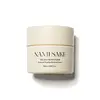
This smoothing moisturizer is formulated around Mandelic Acid and Gluconolactone to refine skin texture and brighten dull-looking skin.
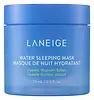
This hydrating overnight mask is formulated around Ceramide AP and Squalane to hydrate skin and strengthen the skin barrier.


What's inside
What's inside
 Key Ingredients
Benefits
Concerns
Ingredients Side-by-side
Water
Skin ConditioningHelianthus Annuus Seed Oil
Emollient



Caprylic Acid
CleansingC10-18 Triglycerides
Emollient
Glycerin
Humectant

Arachidyl Alcohol
Emollient
Behenyl Alcohol
Emollient
Arachidyl Glucoside
EmulsifyingRosa Canina Fruit Extract
Astringent
Sodium Hyaluronate Crosspolymer
Humectant
Mandelic Acid
Antimicrobial







Gluconolactone
Chelating
Lactobionic Acid
Buffering
Buddleja Davidii Leaf Cell Culture Extract
Skin ConditioningXanthan Gum
EmulsifyingCaprylhydroxamic Acid
ChelatingGlyceryl Caprylate
EmollientSodium Acrylates Copolymer
Lecithin
Emollient
Ceramide NP
Skin Conditioning


Resveratrol
Antioxidant
Tetrahydrodiferuloylmethane
Antioxidant
Tetrahydrodemethoxydiferuloylmethane
Antioxidant
Tetrahydrobisdemethoxydiferuloylmethane
Antioxidant
Sodium Ascorbyl Phosphate
Antioxidant
Water, Helianthus Annuus Seed Oil, Caprylic Acid, C10-18 Triglycerides, Glycerin, Arachidyl Alcohol, Behenyl Alcohol, Arachidyl Glucoside, Rosa Canina Fruit Extract, Sodium Hyaluronate Crosspolymer, Mandelic Acid, Gluconolactone, Lactobionic Acid, Buddleja Davidii Leaf Cell Culture Extract, Xanthan Gum, Caprylhydroxamic Acid, Glyceryl Caprylate, Sodium Acrylates Copolymer, Lecithin, Ceramide NP, Resveratrol, Tetrahydrodiferuloylmethane, Tetrahydrodemethoxydiferuloylmethane, Tetrahydrobisdemethoxydiferuloylmethane, Sodium Ascorbyl Phosphate
Water
Skin ConditioningButylene Glycol
Humectant
Glycerin
Humectant
Methyl Trimethicone
Skin Conditioning
Ceramide AP
Skin Conditioning
1,2-Hexanediol
Skin Conditioning
Squalane
Emollient
Phenyl Trimethicone
Skin Conditioning
PCA Dimethicone
Skin Conditioning
Caprylyl Methicone
Skin Conditioning
Ammonium Acryloyldimethyltaurate/Vp Copolymer
Lactobacillus Ferment Lysate
Skin Conditioning
Carbomer
Emulsion StabilisingPropanediol
Solvent
Tromethamine
BufferingAcrylates/C10-30 Alkyl Acrylate Crosspolymer
Emulsion StabilisingGlyceryl Caprylate
EmollientEthylhexylglycerin
Skin ConditioningDisodium EDTA
ChelatingRaffinose
Skin ConditioningStearyl Behenate
Emollient
Malachite Extract
Antioxidant
Parfum
Masking


Polyglyceryl-3 Methylglucose Distearate
Emulsifying
Inulin Lauryl Carbamate
Emulsion StabilisingNiacinamide
Smoothing
Tryptophan
MaskingHydroxypropyl Bispalmitamide Mea
Emollient
Beta-Glucan
Skin Conditioning
Limonene
Perfuming
Saururus Chinensis Extract
Skin ConditioningAcorus Gramineus Extract
HumectantLinalool
Perfuming
Tocopherol
Antioxidant
Water, Butylene Glycol, Glycerin, Methyl Trimethicone, Ceramide AP, 1,2-Hexanediol, Squalane, Phenyl Trimethicone, PCA Dimethicone, Caprylyl Methicone, Ammonium Acryloyldimethyltaurate/Vp Copolymer, Lactobacillus Ferment Lysate, Carbomer, Propanediol, Tromethamine, Acrylates/C10-30 Alkyl Acrylate Crosspolymer, Glyceryl Caprylate, Ethylhexylglycerin, Disodium EDTA, Raffinose, Stearyl Behenate, Malachite Extract, Parfum, Polyglyceryl-3 Methylglucose Distearate, Inulin Lauryl Carbamate, Niacinamide, Tryptophan, Hydroxypropyl Bispalmitamide Mea, Beta-Glucan, Limonene, Saururus Chinensis Extract, Acorus Gramineus Extract, Linalool, Tocopherol
Reviews
Ingredients Explained
These ingredients are found in both products.
Ingredients higher up in an ingredient list are typically present in a larger amount.
Glycerin (or glycerol) is a compound naturally found in your skin. It's a powerhouse humectant that pulls water into the stratum corneum.
Topically, glycerin does several things at once:
Your skin makes glycerin on its own (mostly from sebaceous oil breakdown) and shuttles it to your outermost layer of skin, or your epidermis, via aquaporin-3.
Aquaporin-3 is a transporter that is essential for normal skin hydration, elasticity, and repair. Interestingly, mice lacking in AQP3 have dry and less elastic skin that can be fully corrected with glycerin.
This ingredient is non-irritating, plays well with almost every ingredient, and works across all skin types. Typical use is anywhere between 3-10% but can go up to 79% in some leave-on products.
Just know very high concentrations (>40%) can feel tacky in low humidity.
Glycerin is the name for this ingredient in American English. British English uses Glycerol/Glycerine.
Learn more about GlycerinGlyceryl Caprylate comes from glycerin and caprylic acid. It is an emollient, co-emulsifier, and preservative booster.
Its short C8 fatty acid chain makes it behave differently from its longer-chain emollient cousins like Glyceryl Stearate. It feels more lightweight, fast-absorbing, and silky instead of rich and waxy.
As a co-emulsifier, its "head" and "tail" sit at the oil-water interface. But overall, the short C8 tail and not being water soluble means it doesn't really have the muscle to emulsify a formula on its own. That's why you'll often see it paired with a primary emulsifier like Cetearyl Glucoside.
Interestingly, Glyceryl Caprylate acts as a preservative booster. This is because its fatty-acid backbone disrupts microbial lipid membranes. It shows excellent activity against bacteria and yeast but is weaker against mold.
Typical concentrations range from 0.5-1% and this ingredient is generally non-irritating.
Because this ingredient has a C8 fatty acid chain, it is outside the range that the Malassezia yeast metabolizes (making it fungal acne safe).
Learn more about Glyceryl CaprylateWater. It's the most common cosmetic ingredient of all. You'll usually see it at the top of ingredient lists, meaning that it makes up the largest part of the product.
So why is it so popular? Water most often acts as a solvent - this means that it helps dissolve other ingredients into the formulation.
You'll also recognize water as that liquid we all need to stay alive. If you see this, drink a glass of water. Remember to stay hydrated!
Learn more about Water

