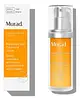
This brightening serum is formulated around Glycolic Acid and Tranexamic Acid to fade the look of dark spots and brighten dull-looking skin.
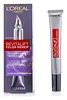
This anti-aging eye moisturizer is formulated around Sodium Hyaluronate and Dipeptide Diaminobutyroyl Benzylamide Diacetate to soften the look of wrinkles and hydrate skin.


What's inside
What's inside
 Key Ingredients
Benefits
Concerns
Ingredients Side-by-side
Water
Skin ConditioningAlcohol Denat.
Antimicrobial




Glycolic Acid
Buffering









Butylene Glycol
Humectant

Glycerin
Humectant
Methyl Gluceth-20
Humectant
Tranexamic Acid
Astringent


4-Ethylresorcinol
AntimicrobialHexapeptide-2
Bleaching
Rice Amino Acids
Skin Conditioning
Urea
Buffering
Yeast Amino Acids
HumectantTrehalose
Humectant
Inositol
Humectant
Taurine
BufferingBetaine
Humectant
Zinc Gluconate
Skin Conditioning
Dipotassium Glycyrrhizate
Humectant
Allantoin
Skin Conditioning
Hydroxyethylcellulose
Emulsion StabilisingSodium Metabisulfite
Antioxidant

Sodium Sulfite
Preservative
Sodium Hydroxide
BufferingPPG-26-Buteth-26
Skin ConditioningPEG-40 Hydrogenated Castor Oil
Emulsifying
Polyquaternium-4
Disodium EDTA
Limonene
Perfuming

Benzyl Salicylate
Perfuming
Linalool
Perfuming
Parfum
Masking
Water, Alcohol Denat., Glycolic Acid, Butylene Glycol, Glycerin, Methyl Gluceth-20, Tranexamic Acid, 4-Ethylresorcinol, Hexapeptide-2, Rice Amino Acids, Urea, Yeast Amino Acids, Trehalose, Inositol, Taurine, Betaine, Zinc Gluconate, Dipotassium Glycyrrhizate, Allantoin, Hydroxyethylcellulose, Sodium Metabisulfite, Sodium Sulfite, Sodium Hydroxide, PPG-26-Buteth-26, PEG-40 Hydrogenated Castor Oil, Polyquaternium-4, Disodium EDTA, Limonene, Benzyl Salicylate, Linalool, Parfum
Water
Skin ConditioningGlycerin
Humectant
Dimethicone
Emollient
Saccharomyces/Xylinum/Black Tea Ferment
Skin Conditioning
Propanediol
Solvent
Diisopropyl Sebacate
EmollientPentylene Glycol
Skin Conditioning
Betaine
Humectant
Di-C12-13 Alkyl Malate
EmollientButyrospermum Parkii Butter
Skin Conditioning

Polyglyceryl-6 Distearate
Emulsifying
Hydroxypropyl Tetrahydropyrantriol
Skin ConditioningCetyl Alcohol
Emollient

Myristyl Myristate
Emollient
Pentaerythrityl Tetraethylhexanoate
Emollient
Propylene Glycol
Humectant
Ammonium Acryloyldimethyltaurate/Steareth-25 Methacrylate Crosspolymer
Emulsion StabilisingJojoba Esters
Emollient
Sodium Hyaluronate
Humectant
Stearalkonium Hectorite
Gel FormingBehenyl Alcohol
Emollient
Disodium Stearoyl Glutamate
CleansingDimethicone/Vinyl Dimethicone Crosspolymer
Skin Conditioning
Phenoxyethanol
Preservative
Caprylyl Glycol
Emollient
Xanthan Gum
EmulsifyingPolyglyceryl-3 Beeswax
Emulsifying
Dimethiconol
Emollient
Caffeine
Skin Conditioning
Ascorbyl Glucoside
Antioxidant
Chlorphenesin
Antimicrobial
Disodium EDTA
Hydroxyethylcellulose
Emulsion StabilisingTocopheryl Acetate
Antioxidant
Sodium Citrate
BufferingCitric Acid
Buffering
Secale Cereale Seed Extract
Abrasive
Potassium Sorbate
Preservative
Biotin
AntiseborrhoeicDipeptide Diaminobutyroyl Benzylamide Diacetate
Skin Conditioning
Water, Glycerin, Dimethicone, Saccharomyces/Xylinum/Black Tea Ferment, Propanediol, Diisopropyl Sebacate, Pentylene Glycol, Betaine, Di-C12-13 Alkyl Malate, Butyrospermum Parkii Butter, Polyglyceryl-6 Distearate, Hydroxypropyl Tetrahydropyrantriol, Cetyl Alcohol, Myristyl Myristate, Pentaerythrityl Tetraethylhexanoate, Propylene Glycol, Ammonium Acryloyldimethyltaurate/Steareth-25 Methacrylate Crosspolymer, Jojoba Esters, Sodium Hyaluronate, Stearalkonium Hectorite, Behenyl Alcohol, Disodium Stearoyl Glutamate, Dimethicone/Vinyl Dimethicone Crosspolymer, Phenoxyethanol, Caprylyl Glycol, Xanthan Gum, Polyglyceryl-3 Beeswax, Dimethiconol, Caffeine, Ascorbyl Glucoside, Chlorphenesin, Disodium EDTA, Hydroxyethylcellulose, Tocopheryl Acetate, Sodium Citrate, Citric Acid, Secale Cereale Seed Extract, Potassium Sorbate, Biotin, Dipeptide Diaminobutyroyl Benzylamide Diacetate
Reviews
Ingredients Explained
These ingredients are found in both products.
Ingredients higher up in an ingredient list are typically present in a larger amount.
Betaine is a humectant. Like hyaluronic acid, it helps attract and retain moisture in the skin. It’s known for being gentle and for helping the skin maintain balanced hydration.
Betaine is mainly used to improve hydration and support calmer skin. It helps skin cells regulate water balance because it functions as an osmolyte.
Some studies suggest betaine may support making skin tone more even.
Fun fact: Betaine naturally exists in the skin and the body. In cosmetic products, it can be either plant-derived (most commonly from sugar beets) or synthetically produced for consistency and stability.
Betaine is also known as trimethylglycine.
Learn more about BetaineDisodium EDTA is a chelating agent. It grabs onto and deactivates metal ions that sneak into your products from water, packaging, or air.
This ingredient mainly works behind the scenes and helps with:
On top of that, this ingredient can counteract the effects of hard water by binding to the minerals in it.
One thing worth knowing is that Disodium EDTA has been shown to be a mild penetration enhancer. It can help other ingredients absorb into skin more effectively which can be a double-edged sword (great for actives, but can also make the active too strong if you have sensitive skin).
Clinical patch testing showed no significant skin irritation at typical use concentrations and minimal dermal absorption.
You'll most likely see this ingredient near the end of an ingredient list. It's typically found in concentrations less than 1%.
Learn more about Disodium EDTAGlycerin (or glycerol) is a compound naturally found in your skin. It's a powerhouse humectant that pulls water into the stratum corneum.
Topically, glycerin does several things at once:
Your skin makes glycerin on its own (mostly from sebaceous oil breakdown) and shuttles it to your outermost layer of skin, or your epidermis, via aquaporin-3.
Aquaporin-3 is a transporter that is essential for normal skin hydration, elasticity, and repair. Interestingly, mice lacking in AQP3 have dry and less elastic skin that can be fully corrected with glycerin.
This ingredient is non-irritating, plays well with almost every ingredient, and works across all skin types. Typical use is anywhere between 3-10% but can go up to 79% in some leave-on products.
Just know very high concentrations (>40%) can feel tacky in low humidity.
Glycerin is the name for this ingredient in American English. British English uses Glycerol/Glycerine.
Learn more about GlycerinHydroxyethylcellulose is used to improve the texture of products. It is created from a chemical reaction involving ethylene oxide and alkali-cellulose. Cellulose is a sugar found in plant cell walls and help give plants structure.
This ingredient helps stabilize products by preventing ingredients from separating. It can also help thicken the texture of a product.
This ingredient can also be found in pill medicines to help our bodies digest other ingredients.
Learn more about HydroxyethylcelluloseWater. It's the most common cosmetic ingredient of all. You'll usually see it at the top of ingredient lists, meaning that it makes up the largest part of the product.
So why is it so popular? Water most often acts as a solvent - this means that it helps dissolve other ingredients into the formulation.
You'll also recognize water as that liquid we all need to stay alive. If you see this, drink a glass of water. Remember to stay hydrated!
Learn more about Water

