

What's inside
What's inside
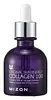 Key Ingredients
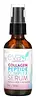
Benefits
Concerns
No concerns
Ingredients Side-by-side
Hydrolyzed Collagen
Emollient

Methylpropanediol
Solvent1,2-Hexanediol
Skin Conditioning
Water
Skin ConditioningSodium Hyaluronate
Humectant


Trehalose
Humectant
Ethylhexylglycerin
Skin ConditioningAllantoin
Skin Conditioning

Carbomer
Emulsion StabilisingTromethamine
BufferingPanthenol
Skin Conditioning
Propanediol
Solvent
Adenosine
Skin Conditioning
Disodium EDTA
Centella Asiatica Extract
Cleansing
Houttuynia Cordata Extract
Skin Conditioning
Salvia Hispanica Seed Extract
EmollientGlycerin
Humectant
Butylene Glycol
Humectant
Caprylyl Glycol
Emollient
Palmitoyl Tripeptide-5
Skin Conditioning
Copper Tripeptide-1
Skin Conditioning
Acetyl Hexapeptide-8
Humectant
Phenoxyethanol
Preservative
Hydrolyzed Collagen, Methylpropanediol, 1,2-Hexanediol, Water, Sodium Hyaluronate, Trehalose, Ethylhexylglycerin, Allantoin, Carbomer, Tromethamine, Panthenol, Propanediol, Adenosine, Disodium EDTA, Centella Asiatica Extract, Houttuynia Cordata Extract, Salvia Hispanica Seed Extract, Glycerin, Butylene Glycol, Caprylyl Glycol, Palmitoyl Tripeptide-5, Copper Tripeptide-1, Acetyl Hexapeptide-8, Phenoxyethanol
Water
Skin ConditioningHamamelis Virginiana Water
Astringent


Glycerin
Humectant
Aloe Barbadensis Leaf Juice
Skin Conditioning
Phenoxyethanol
Preservative
Acrylates/C10-30 Alkyl Acrylate Crosspolymer
Emulsion StabilisingEthylhexylglycerin
Skin ConditioningSimmondsia Chinensis Seed Oil
Emollient

Sodium PCA
Humectant
Sodium Lactate
Buffering
Arginine
Masking
Caesalpinia Spinosa Gum
Skin ConditioningAspartic Acid
Masking
Glycine
Buffering
Alanine
Masking
Potassium Sorbate
Preservative
Sodium Benzoate
Masking
Alcohol
Antimicrobial

Serine
Masking
Valine
MaskingIsoleucine
Skin ConditioningThreonine
Proline
Skin Conditioning
Geranium Maculatum Extract
TonicCentella Asiatica Extract
Cleansing
Taraxacum Officinale Extract
Skin ConditioningEquisetum Arvense Extract
AstringentPhenylalanine
Masking
Histidine
Humectant
Carrageenan


Hydroxyethylcellulose
Emulsion StabilisingButylene Glycol
Humectant
Carbomer
Emulsion StabilisingPalmitoyl Tripeptide-5
Skin Conditioning
Polysorbate 20
Emulsifying
Palmitoyl Tripeptide-1
Skin Conditioning
Palmitoyl Tetrapeptide-7
Skin Conditioning
Water, Hamamelis Virginiana Water, Glycerin, Aloe Barbadensis Leaf Juice, Phenoxyethanol, Acrylates/C10-30 Alkyl Acrylate Crosspolymer, Ethylhexylglycerin, Simmondsia Chinensis Seed Oil, Sodium PCA, Sodium Lactate, Arginine, Caesalpinia Spinosa Gum, Aspartic Acid, Glycine, Alanine, Potassium Sorbate, Sodium Benzoate, Alcohol, Serine, Valine, Isoleucine, Threonine, Proline, Geranium Maculatum Extract, Centella Asiatica Extract, Taraxacum Officinale Extract, Equisetum Arvense Extract, Phenylalanine, Histidine, Carrageenan, Hydroxyethylcellulose, Butylene Glycol, Carbomer, Palmitoyl Tripeptide-5, Polysorbate 20, Palmitoyl Tripeptide-1, Palmitoyl Tetrapeptide-7
Ingredients Explained
These ingredients are found in both products.
Ingredients higher up in an ingredient list are typically present in a larger amount.
Butylene Glycol (or BG) is used within cosmetic products for a few different reasons:
Overall, Butylene Glycol is a safe and well-rounded ingredient that works well with other ingredients.
Though this ingredient works well with most skin types, some people with sensitive skin may experience a reaction such as allergic rashes, closed comedones, or itchiness.
Learn more about Butylene GlycolCarbomer is a high-molecular weight polymer of acrylic acid. It is used to form gels and thicken formulas.
Due to its large molecular size, carbomer has minimal skin penetration and is considered an inert ingredient.
A high amount of carbomer can cause pilling or balling up of products. Don't worry, most products contain 1% or less of carbomer.
Learn more about CarbomerCentella Asiatica Extract (Centella) is derived from an herb native to Southeast Asia. It is famous for its anti-inflammatory and soothing properties.
Centella is rich in antioxidants and amino acids, such as Madecassic Acid and Asiaticoside.
Studies show the compounds in centella help with:
The combination of all these properties makes centella effective at soothing, hydrating, and protecting the skin.
Other great components of centella include Vitamin A, vitamin C, several B vitamins, and Asiatic Acid.
Fun fact: Centella has been used as a medicine and in food for many centuries. As a medicine, it is used to treat burns, scratches, and wounds.
Learn more about Centella Asiatica ExtractEthylhexylglycerin is created from glycerin. It is a multitasker ingredient that:
The CIR Expert Panel found minimal skin absorption or sensitization of any kind in a safety assessment. Though this ingredient is considered well-tolerated, a small number of cases of allergic dermatitis have been published since 2002. Just be sure to patch test if you are unsure.
Industry-reported use ranges from 8% in rinse-off products and 2% in leave-on formulations.
Learn more about EthylhexylglycerinGlycerin (or glycerol) is a compound naturally found in your skin. It's a powerhouse humectant that pulls water into the stratum corneum.
Topically, glycerin does several things at once:
Your skin makes glycerin on its own (mostly from sebaceous oil breakdown) and shuttles it to your outermost layer of skin, or your epidermis, via aquaporin-3.
Aquaporin-3 is a transporter that is essential for normal skin hydration, elasticity, and repair. Interestingly, mice lacking in AQP3 have dry and less elastic skin that can be fully corrected with glycerin.
This ingredient is non-irritating, plays well with almost every ingredient, and works across all skin types. Typical use is anywhere between 3-10% but can go up to 79% in some leave-on products.
Just know very high concentrations (>40%) can feel tacky in low humidity.
Glycerin is the name for this ingredient in American English. British English uses Glycerol/Glycerine.
Learn more about GlycerinPalmitoyl Tripeptide-5 is a synthetic signal lipopeptide. This just means it is a three amino acid chain bolted onto a palmitic acid tail so it can slip through the skin's lipid barrier.
This peptide has a "build more, lose less" approach.
It's designed to mimic the collagen-stimulating activity in your skin by copying a snippet of one of your skin's own matrix proteins. This nudges fibroblasts into making more collagen while inhibiting the enzyme that breaks down skin protein.
The manufacturer's in vivo study of 45 volunteers found 1% and 2.5% reduced the appearance of wrinkles by 7% and 12% respectively, after using it twice daily for 84 days.
This is in the expected range for peptides; they're slow and cumulative actives and not overnight fixers.
Typical use levels range from 1-3% and this ingredient gets along with pretty much everything.
On the fungal acne front:
Although palmitic acid sits in the chain length that Malassezia can feed on, this ingredient has it locked in an amine bond. This makes it hard for Malassezia to access as a source of food, and therefore fungal acne safe.
Phenoxyethanol is a preservative that has germicide, antimicrobial, and aromatic properties. Studies show that phenoxyethanol can prevent microbial growth. By itself, it has a scent that is similar to that of a rose.
It's often used in formulations along with Caprylyl Glycol to preserve the shelf life of products.
Water. It's the most common cosmetic ingredient of all. You'll usually see it at the top of ingredient lists, meaning that it makes up the largest part of the product.
So why is it so popular? Water most often acts as a solvent - this means that it helps dissolve other ingredients into the formulation.
You'll also recognize water as that liquid we all need to stay alive. If you see this, drink a glass of water. Remember to stay hydrated!
Learn more about Water
