
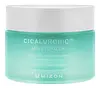
This barrier-repair moisturizer is formulated around Squalane and Centella Asiatica Extract to strengthen the skin barrier and hydrate skin.
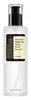
This hydrating essence is formulated around Snail Secretion Filtrate and Allantoin to hydrate skin and calm redness.

What's inside
What's inside
 Key Ingredients
Benefits
Concerns
No concerns
Ingredients Side-by-side
Water
Skin ConditioningGlycerin
Humectant


Theobroma Cacao Seed Butter
Emollient




Caprylic/Capric Triglyceride
Masking
Butyrospermum Parkii Butter
Skin Conditioning
Betula Alba Juice
Astringent1,2-Hexanediol
Skin Conditioning
Squalane
Emollient
Hydrogenated Olive Oil Lauryl Esters
Emulsion Stabilising
Cetearyl Alcohol
Emollient
Polyglyceryl-3 Methylglucose Distearate
Emulsifying
Macadamia Ternifolia Seed Oil
Emollient
Glyceryl Stearate
Emollient
Butylene Glycol
Humectant
Hydrogenated Vegetable Oil
Emollient
Cetearyl Olivate
Centella Asiatica Root Extract
Skin Conditioning

Centella Asiatica Leaf Extract
Skin Conditioning
Centella Asiatica Extract
Cleansing
Sorbitan Olivate
Emulsifying
Carbomer
Emulsion StabilisingTromethamine
BufferingTocopheryl Acetate
Antioxidant


Ethylhexylglycerin
Skin ConditioningLecithin
Emollient
Sodium Hyaluronate
Humectant
Biosaccharide Gum-1
Humectant
Potassium Hyaluronate
Skin ConditioningHydroxypropyltrimonium Hyaluronate
Hydrolyzed Sodium Hyaluronate
Skin Conditioning
Hydrolyzed Hyaluronic Acid
Humectant
Hyaluronic Acid
Humectant
Pentylene Glycol
Skin Conditioning
Madecassoside
Antioxidant
Madecassic Acid
Skin Conditioning
Asiaticoside
Antioxidant
Asiatic Acid
Skin Conditioning
Sodium Hyaluronate Crosspolymer
Humectant
Sodium Acetylated Hyaluronate
Humectant
Water, Glycerin, Theobroma Cacao Seed Butter, Caprylic/Capric Triglyceride, Butyrospermum Parkii Butter, Betula Alba Juice, 1,2-Hexanediol, Squalane, Hydrogenated Olive Oil Lauryl Esters, Cetearyl Alcohol, Polyglyceryl-3 Methylglucose Distearate, Macadamia Ternifolia Seed Oil, Glyceryl Stearate, Butylene Glycol, Hydrogenated Vegetable Oil, Cetearyl Olivate, Centella Asiatica Root Extract, Centella Asiatica Leaf Extract, Centella Asiatica Extract, Sorbitan Olivate, Carbomer, Tromethamine, Tocopheryl Acetate, Ethylhexylglycerin, Lecithin, Sodium Hyaluronate, Biosaccharide Gum-1, Potassium Hyaluronate, Hydroxypropyltrimonium Hyaluronate, Hydrolyzed Sodium Hyaluronate, Hydrolyzed Hyaluronic Acid, Hyaluronic Acid, Pentylene Glycol, Madecassoside, Madecassic Acid, Asiaticoside, Asiatic Acid, Sodium Hyaluronate Crosspolymer, Sodium Acetylated Hyaluronate


Reviews
Ingredients Explained
These ingredients are found in both products.
Ingredients higher up in an ingredient list are typically present in a larger amount.
1,2-Hexanediol is a synthetic liquid and another multi-functional powerhouse.
It is a:
- Humectant, drawing moisture into the skin
- Emollient, helping to soften skin
- Solvent, dispersing and stabilizing formulas
- Preservative booster, enhancing the antimicrobial activity of other preservatives
Butylene Glycol (or BG) is used within cosmetic products for a few different reasons:
Overall, Butylene Glycol is a safe and well-rounded ingredient that works well with other ingredients.
Though this ingredient works well with most skin types, some people with sensitive skin may experience a reaction such as allergic rashes, closed comedones, or itchiness.
Learn more about Butylene GlycolCarbomer is a synthetic thickening and gelling agent. It's basically the ingredient that gives a lot of serums, gels, creams, and sunscreens their smooth, non-sticky texture.
Although legally permitted at very high levels, carbomers are normally used at concentrations below 1%.
It also needs to be neutralized to actually thicken, and because it is a large molecule, it doesn't really penetrate the skin barrier.
Allergy-wise, the risk is very low. Clinical studies show carbomers have low potential for skin irritation/sensitization even at concentrations up to 100%.
A 2024 UK study patch-tested 1,302 patients and found true allergy to the parent group of carbomer to be rare with no confirmed relevant reactions.
Learn more about CarbomerSodium Hyaluronate is the salt form of hyaluronic acid. It is a long sugar chain that is naturally found in your skin, joints, and connective tissue that maintains hydration and elasticity.
In skincare, it works as a humectant. It pulls water from the environment and deeper layers of skin and binds it to the surface.
Interestingly, the size of the molecule affects its behavior:
Some clinical evidence links low molecular weight versions to improved wrinkle depth, elasticity, anti-inflammatory effects, and barrier repair.
Many serums use a blend of both weights so you can get surface hydration plus longer-lasting and deeper effects.
You'll typically see concentrations between 0.1-2% for this ingredient.
Learn more about Sodium HyaluronateWater. It's the most common cosmetic ingredient of all. You'll usually see it at the top of ingredient lists, meaning that it makes up the largest part of the product.
So why is it so popular? Water most often acts as a solvent - this means that it helps dissolve other ingredients into the formulation.
You'll also recognize water as that liquid we all need to stay alive. If you see this, drink a glass of water. Remember to stay hydrated!
Learn more about Water

