Minon Medicated Hair Shampoo Versus NatureLab Tokyo Perfect Clean 2-In-1 Scalp Scrub & Clarifying Shampoo

What's inside
What's inside
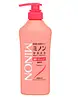 Key Ingredients
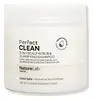
No key ingredients
Benefits
Concerns
Ingredients Side-by-side

Sucrose
Humectant
Glycerin
Humectant

Sodium C14-16 Olefin Sulfonate
Cleansing

Cocamide Mea
Emulsifying
Glycol Distearate
Emollient

Water
Skin ConditioningRicinus Communis Seed Oil
Masking

Saccharomyces/Rice Extract Ferment Filtrate
Skin Conditioning
Butyrospermum Parkii Butter
Skin Conditioning

Cocos Nucifera Oil
Masking
Melaleuca Alternifolia Leaf Oil
Antioxidant



Vitis Vinifera Fruit Extract
Skin ConditioningArgania Spinosa Callus Culture Extract
Skin ConditioningMalus Domestica Fruit Cell Culture Extract
Skin ConditioningGlutamic Acid
Humectant
Sodium PCA
Humectant
Hydrolyzed Coix Lacryma-Jobi Ma-Yuen Seed
HumectantPlatinum Powder
Abrasive
Trigonella Foenum-Graecum Hydroxypropyltrimonium Chloride
Skin ConditioningLocust Bean Hydroxypropyltrimonium Chloride
Skin ConditioningSodium Hyaluronate
Humectant


Hydroxypropyltrimonium Hyaluronate
Prunus Domestica Seed Extract
EmollientArgania Spinosa Kernel Oil
Emollient
Lupinus Albus Seed Oil
Skin Conditioning
Mangifera Indica Seed Oil
Emollient
Theobroma Grandiflorum Seed Butter
Skin Conditioning
Adansonia Digitata Seed Oil
Emollient
Carapa Guaianensis Seed Oil
Skin Conditioning
Sclerocarya Birrea Seed Oil
Humectant
Argan Oil Polyglyceryl-6 Esters
Emollient
Sodium Glycinate
Skin ConditioningPropanediol
Solvent
Cocamidopropyl Betaine
Cleansing
Butylene Glycol
Humectant
Guar Hydroxypropyltrimonium Chloride
Skin ConditioningIsomalt
HumectantXanthan Gum
EmulsifyingPolysorbate 80
Emulsifying
Citric Acid
Buffering

Sodium Citrate
BufferingTrisodium Phosphate
BufferingSodium Chloride
MaskingLecithin
Emollient
BHT
Antioxidant
Sodium Gluconate
ChelatingPhenoxyethanol
Preservative
Sodium Benzoate
Masking
Parfum
Masking
Linalool
Perfuming
Sucrose, Glycerin, Sodium C14-16 Olefin Sulfonate, Cocamide Mea, Glycol Distearate, Water, Ricinus Communis Seed Oil, Saccharomyces/Rice Extract Ferment Filtrate, Butyrospermum Parkii Butter, Cocos Nucifera Oil, Melaleuca Alternifolia Leaf Oil, Vitis Vinifera Fruit Extract, Argania Spinosa Callus Culture Extract, Malus Domestica Fruit Cell Culture Extract, Glutamic Acid, Sodium PCA, Hydrolyzed Coix Lacryma-Jobi Ma-Yuen Seed, Platinum Powder, Trigonella Foenum-Graecum Hydroxypropyltrimonium Chloride, Locust Bean Hydroxypropyltrimonium Chloride, Sodium Hyaluronate, Hydroxypropyltrimonium Hyaluronate, Prunus Domestica Seed Extract, Argania Spinosa Kernel Oil, Lupinus Albus Seed Oil, Mangifera Indica Seed Oil, Theobroma Grandiflorum Seed Butter, Adansonia Digitata Seed Oil, Carapa Guaianensis Seed Oil, Sclerocarya Birrea Seed Oil, Argan Oil Polyglyceryl-6 Esters, Sodium Glycinate, Propanediol, Cocamidopropyl Betaine, Butylene Glycol, Guar Hydroxypropyltrimonium Chloride, Isomalt, Xanthan Gum, Polysorbate 80, Citric Acid, Sodium Citrate, Trisodium Phosphate, Sodium Chloride, Lecithin, BHT, Sodium Gluconate, Phenoxyethanol, Sodium Benzoate, Parfum, Linalool
Ingredients Explained
These ingredients are found in both products.
Ingredients higher up in an ingredient list are typically present in a larger amount.
Butylene Glycol (or BG) is used within cosmetic products for a few different reasons:
Overall, Butylene Glycol is a safe and well-rounded ingredient that works well with other ingredients.
Though this ingredient works well with most skin types, some people with sensitive skin may experience a reaction such as allergic rashes, closed comedones, or itchiness.
Learn more about Butylene GlycolCocamidopropyl Betaine is a fatty acid created by mixing similar compounds in coconut oil and dimethylaminopropylamine, a compound with two amino groups.
This ingredient is a surfactant and cleanser. It helps gather the dirt, pollutants, and other impurities in your skin to be washed away. It also helps thicken a product and make the texture more creamy.
Being created from coconut oil means Cocamidopropyl Betaine is hydrating for the skin.
While Cocamidopropyl Betaine was believed to be an allergen, a study from 2012 disproved this. It found two compounds in unpure Cocamidopropyl Betaine to be the irritants: aminoamide and 3-dimethylaminopropylamine. High-grade and pure Cocamidopropyl Betaine did not induce allergic reactions during this study.
Learn more about Cocamidopropyl BetaineParfum is a catch-all term for an ingredient or more that is used to give a scent to products.
Also called "fragrance", this ingredient can be a blend of hundreds of chemicals or plant oils. This means every product with "fragrance" or "parfum" in the ingredients list is a different mixture.
For instance, Habanolide is a proprietary trade name for a specific aroma chemical. When used as a fragrance ingredient in cosmetics, most aroma chemicals fall under the broad labeling category of “FRAGRANCE” or “PARFUM” according to EU and US regulations.
The term 'parfum' or 'fragrance' is not regulated in many countries. In many cases, it is up to the brand to define this term.
For instance, many brands choose to label themselves as "fragrance-free" because they are not using synthetic fragrances. However, their products may still contain ingredients such as essential oils that are considered a fragrance by INCI standards.
One example is Calendula flower extract. Calendula is an essential oil that still imparts a scent or 'fragrance'.
Depending on the blend, the ingredients in the mixture can cause allergies and sensitivities on the skin. Some ingredients that are known EU allergens include linalool and citronellol.
Parfum can also be used to mask or cover an unpleasant scent.
The bottom line is: not all fragrances/parfum/ingredients are created equally. If you are worried about fragrances, we recommend taking a closer look at an ingredient. And of course, we always recommend speaking with a professional.
Learn more about ParfumSodium Benzoate is a preservative. It's used in both cosmetic and food products to inhibit the growth of mold and bacteria. It is typically produced synthetically.
Both the US FDA and EU Health Committee have approved the use of sodium benzoate. In the US, levels of 0.1% (of the total product) are allowed.
Sodium benzoate works as a preservative by inhibiting the growth of bacteria inside of cells. It prevents the cell from fermenting a type of sugar using an enzyme called phosphofructokinase.
It is the salt of benzoic acid. Foods containing sodium benzoate include soda, salad dressings, condiments, fruit juices, wines, and snack foods.
Studies for using ascorbic acid and sodium benzoate in cosmetics are lacking, especially in skincare routines with multiple steps.
We always recommend speaking with a professional, such as a dermatologist, if you have any concerns.
Learn more about Sodium Benzoate

