

What's inside
What's inside
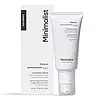 Key Ingredients
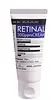
Benefits
Concerns
Ingredients Side-by-side
Water
Skin ConditioningPropanediol
Solvent
Caprylic/Capric Triglyceride
Masking
PEG-400
Emulsion StabilisingLecithin
Emollient
Propylene Glycol
Humectant

Arachidyl Alcohol
EmollientResveratrol
Antioxidant



Ethoxydiglycol
HumectantPhenoxyethanol
Preservative
Behenyl Alcohol
Emollient
Glycerin
Humectant


Arachidyl Glucoside
EmulsifyingPolyacrylamide
Ammonium Acryloyldimethyltaurate/Beheneth-25 Methacrylate Crosspolymer
Emulsion StabilisingHydrolyzed Sodium Hyaluronate
Skin Conditioning
Diisopropyl Sebacate
EmollientC13-14 Isoparaffin
Emollient

Retinal
Skin Conditioning




Ethylhexylglycerin
Skin ConditioningTrisodium Ethylenediamine Disuccinate
Xanthan Gum
EmulsifyingLaureth-7
EmulsifyingEthylbisiminomethylguaiacol Manganese Chloride
Antioxidant
Sclerotium Gum
Emulsion StabilisingPullulan
Tasmannia Lanceolata Fruit/Leaf Extract
Antioxidant
Sodium Citrate
BufferingCitric Acid
Buffering
Silica
Abrasive
Tocopherol
Antioxidant
Helianthus Annuus Seed Oil
Emollient
Water, Propanediol, Caprylic/Capric Triglyceride, PEG-400, Lecithin, Propylene Glycol, Arachidyl Alcohol, Resveratrol, Ethoxydiglycol, Phenoxyethanol, Behenyl Alcohol, Glycerin, Arachidyl Glucoside, Polyacrylamide, Ammonium Acryloyldimethyltaurate/Beheneth-25 Methacrylate Crosspolymer, Hydrolyzed Sodium Hyaluronate, Diisopropyl Sebacate, C13-14 Isoparaffin, Retinal, Ethylhexylglycerin, Trisodium Ethylenediamine Disuccinate, Xanthan Gum, Laureth-7, Ethylbisiminomethylguaiacol Manganese Chloride, Sclerotium Gum, Pullulan, Tasmannia Lanceolata Fruit/Leaf Extract, Sodium Citrate, Citric Acid, Silica, Tocopherol, Helianthus Annuus Seed Oil
Centella Asiatica Extract
Cleansing
Glycerin
Humectant
Hydrogenated Polydecene
EmollientCaprylyl Methicone
Skin Conditioning
Niacinamide
Smoothing
Panthenol
Skin Conditioning
Pentylene Glycol
Skin ConditioningPolyglyceryl-10 Behenate/Eicosadioate
EmulsifyingWater
Skin Conditioning1,2-Hexanediol
Skin Conditioning
Ammonium Acryloyldimethyltaurate/Vp Copolymer
Butylene Glycol
Humectant
Polymethylsilsesquioxane
Caprylic/Capric Triglyceride
Masking
Acrylates/C10-30 Alkyl Acrylate Crosspolymer
Emulsion StabilisingHydroxyethyl Acrylate/Sodium Acryloyldimethyl Taurate Copolymer
Emulsion StabilisingLecithin
Emollient
Tromethamine
BufferingParfum
Masking
Ethylhexylglycerin
Skin ConditioningXanthan Gum
EmulsifyingAdenosine
Skin Conditioning
Retinal
Skin Conditioning
Disodium EDTA
Sorbitan Isostearate
Emulsifying
Ozothamnus Diosmifolius Extract
Ascorbic Acid
Antioxidant
Centella Asiatica Extract, Glycerin, Hydrogenated Polydecene, Caprylyl Methicone, Niacinamide, Panthenol, Pentylene Glycol, Polyglyceryl-10 Behenate/Eicosadioate, Water, 1,2-Hexanediol, Ammonium Acryloyldimethyltaurate/Vp Copolymer, Butylene Glycol, Polymethylsilsesquioxane, Caprylic/Capric Triglyceride, Acrylates/C10-30 Alkyl Acrylate Crosspolymer, Hydroxyethyl Acrylate/Sodium Acryloyldimethyl Taurate Copolymer, Lecithin, Tromethamine, Parfum, Ethylhexylglycerin, Xanthan Gum, Adenosine, Retinal, Disodium EDTA, Sorbitan Isostearate, Ozothamnus Diosmifolius Extract, Ascorbic Acid
Ingredients Explained
These ingredients are found in both products.
Ingredients higher up in an ingredient list are typically present in a larger amount.
This ingredient is an emollient, solvent, and texture enhancer. It is considered a skin-softener by helping the skin prevent moisture loss.
It helps thicken a product's formula and makes it easier to spread by dissolving clumping compounds.
Caprylic Triglyceride is made by combining glycerin with coconut oil, forming a clear liquid.
While there is an assumption Caprylic Triglyceride can clog pores due to it being derived from coconut oil, there is no research supporting this.
Learn more about Caprylic/Capric TriglycerideEthylhexylglycerin (we can't pronounce this either) is commonly used as a preservative and skin softener. It is derived from glyceryl.
You might see Ethylhexylglycerin often paired with other preservatives such as phenoxyethanol. Ethylhexylglycerin has been found to increase the effectiveness of these other preservatives.
Glycerin is already naturally found in your skin. It helps moisturize and protect your skin.
A study from 2016 found glycerin to be more effective as a humectant than AHAs and hyaluronic acid.
As a humectant, it helps the skin stay hydrated by pulling moisture to your skin. The low molecular weight of glycerin allows it to pull moisture into the deeper layers of your skin.
Hydrated skin improves your skin barrier; Your skin barrier helps protect against irritants and bacteria.
Glycerin has also been found to have antimicrobial and antiviral properties. Due to these properties, glycerin is often used in wound and burn treatments.
In cosmetics, glycerin is usually derived from plants such as soybean or palm. However, it can also be sourced from animals, such as tallow or animal fat.
This ingredient is organic, colorless, odorless, and non-toxic.
Glycerin is the name for this ingredient in American English. British English uses Glycerol/Glycerine.
Learn more about GlycerinLecithin is a term for a group of substances found in the cell membranes of plants, animals, and humans. They are made up of mixture of phospholipids.
This ingredient has emollient and emulsifying properties.
As an emollient, lecithen helps soften the skin and creates a barrier to keep moisture in.
As an emulsifier, it also helps prevent water and oil ingredients from separating. Lecithin can also help ingredients be better absorbed by the skin.
This is because the phospholipids in lecithin produce liposomes. Liposomes help other ingredients get through the skin barrier.
Depending on the source of this ingredient, lecithin may not be fungal acne safe. This is because some sources of lecithin come from soybean oil, which may feed the malassezia yeast that feeds fungal acne.
We recommend reaching out to the brand you are purchasing from to inquire about the source of their lecithin.
Some other names for this ingredient include soy lecithin and deoiled soy lecithin.
Learn more about LecithinRetinal is a form of retinoid. Retinoids are the gold-standard class of anti-aging ingredients.
Retinal has many benefits as other retinoids: improve skin texture, reduce large pores, reduce the effects of aging, reduce the visibility of dark spots, heal scars, and fight acne.
Studies show retinal may work at a faster rate than retinol due to its structure.
All retinoids have to be converted into retinoic acid before starting to work. Some retinoids take several steps of conversion before binding. Retinal is only one step away, making it more potent.
Like other retinoids, retinal may be irritating. It is best to ease into using this ingredient frequently.
Using the 'ramp up' method, start by using retinol once a week. This gives your skin time to adjust and decrease irritation. Once you feel ready, you can slowly increase the frequency of retinol use.
Using retinoids will increase sun-sensitivity in the first few weeks of use. Though studies show retinoids increase your skin's natural SPF with continuous use, it is best to always wear sunscreen and sun-protection.
Learn more about RetinalWater. It's the most common cosmetic ingredient of all. You'll usually see it at the top of ingredient lists, meaning that it makes up the largest part of the product.
So why is it so popular? Water most often acts as a solvent - this means that it helps dissolve other ingredients into the formulation.
You'll also recognize water as that liquid we all need to stay alive. If you see this, drink a glass of water. Stay hydrated!
Learn more about WaterXanthan gum is used as a stabilizer and thickener within cosmetic products. It helps give products a sticky, thick feeling - preventing them from being too runny.
On the technical side of things, xanthan gum is a polysaccharide - a combination consisting of multiple sugar molecules bonded together.
Xanthan gum is a pretty common and great ingredient. It is a natural, non-toxic, non-irritating ingredient that is also commonly used in food products.
Learn more about Xanthan Gum
