

What's inside
What's inside
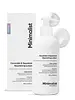 Key Ingredients
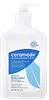
Benefits
Concerns
Ingredients Side-by-side
Water
Skin ConditioningIsostearyl Isostearate
Emollient




Dimethicone
Emollient

Cetearyl Alcohol
Emollient

Ceteareth-20
Cleansing
Microcrystalline Wax
Emulsion StabilisingSqualane
Emollient


Sodium Hyaluronate
Humectant

Ceramide NP
Skin Conditioning

Ceramide AP
Skin Conditioning
Avena Sativa Kernel Extract
Abrasive

Allantoin
Skin Conditioning
Panthenol
Skin Conditioning
Carbomer
Emulsion StabilisingCaprylyl Glycol
Emollient
Pentylene Glycol
Skin Conditioning
Ethylhexylglycerin
Skin ConditioningSodium Hydroxide
BufferingTrisodium Ethylenediamine Disuccinate
Water, Isostearyl Isostearate, Dimethicone, Cetearyl Alcohol, Ceteareth-20, Microcrystalline Wax, Squalane, Sodium Hyaluronate, Ceramide NP, Ceramide AP, Avena Sativa Kernel Extract, Allantoin, Panthenol, Carbomer, Caprylyl Glycol, Pentylene Glycol, Ethylhexylglycerin, Sodium Hydroxide, Trisodium Ethylenediamine Disuccinate
Water
Skin ConditioningCarthamus Tinctorius Seed Oil
Masking
Glyceryl Stearate Se
Emulsifying
Cetearyl Alcohol
Emollient
Helianthus Annuus Seed Oil
Emollient
Glycerin
Humectant
Cetearyl Olivate
Butyrospermum Parkii Butter
Skin Conditioning
Sorbitan Olivate
Emulsifying
Dimethicone
Emollient
Ceramide NP
Skin Conditioning
Lecithin
Emollient
Phospholipids
Skin Conditioning
Glycine Soja Sterols
Emollient
Cannabis Sativa Seed Oil
Emollient
Rosa Canina Fruit Oil
Emollient
Sodium Hyaluronate
Humectant
Tocopherol
Antioxidant


Laminaria Ochroleuca Extract
Skin Conditioning
Aloe Barbadensis Leaf Juice
Skin Conditioning
Panthenol
Skin Conditioning
Allantoin
Skin Conditioning
Hydrolyzed Soy Protein
Humectant
Ulva Lactuca Extract
Skin ConditioningAscorbic Acid
Antioxidant

Glyceryl Caprylate
EmollientPotassium Cetyl Phosphate
EmulsifyingGlyceryl Undecylenate
Emollient
Sorbitol
Humectant
Citric Acid
Buffering
Xanthan Gum
EmulsifyingEthylhexylglycerin
Skin ConditioningPhenoxyethanol
Preservative
Water, Carthamus Tinctorius Seed Oil, Glyceryl Stearate Se, Cetearyl Alcohol, Helianthus Annuus Seed Oil, Glycerin, Cetearyl Olivate, Butyrospermum Parkii Butter, Sorbitan Olivate, Dimethicone, Ceramide NP, Lecithin, Phospholipids, Glycine Soja Sterols, Cannabis Sativa Seed Oil, Rosa Canina Fruit Oil, Sodium Hyaluronate, Tocopherol, Laminaria Ochroleuca Extract, Aloe Barbadensis Leaf Juice, Panthenol, Allantoin, Hydrolyzed Soy Protein, Ulva Lactuca Extract, Ascorbic Acid, Glyceryl Caprylate, Potassium Cetyl Phosphate, Glyceryl Undecylenate, Sorbitol, Citric Acid, Xanthan Gum, Ethylhexylglycerin, Phenoxyethanol
Ingredients Explained
These ingredients are found in both products.
Ingredients higher up in an ingredient list are typically present in a larger amount.
Allantoin is a soothing ingredient known for its protective and moisturizing properties; it's basically a quiet workhorse ingredient you can find in a huge range of cosmetics.
Though it can be derived from the comfrey plant, allantoin is produced synthetically for cosmetic products to ensure purity.
Research shows it can encourage your skin cells to turn over and renew by stimulating keratinocyte and fibroblast proliferation.
It also has mild keratolytic properties to help loosen and shed dead skin cells without being harsh.
Studies also suggest allantoin can help calm inflammation by dialing down some of the chemical signals your skin sends out when it is irritated.
This ingredient is typically used in the 0.1-0.5% range, and the FDA recognizes it as a skin protectant in OTC products up to 2%.
Overall, allantoin is a wonderful addition to most routines; it is stable across a wide pH range (~4-8), works well with other ingredients, and is considered non-sensitizing/non-irritating.
Fun fact: Allantoin is naturally occurring in comfrey root, beets, chamomile, and wheat sprouts. Our bodies even produce it as a byproduct of uric acid metabolism.
Learn more about AllantoinCeramide NP (formerly known as Ceramide 3) is one of the skin's naturally occurring lipids.
Since ceramides are the major lipid components of the skin, they are crucial for maintaining skin barrier and hydration. Ceramide NP most closely mirrors the dominant kind in human skin amongst ceramide subtypes.
This ceramide works by slotting into gaps within the stratum corneum's lipid matrix to limit trans-epidermal water loss (TEWL) and shield the skin against external irritants.
A study with 312 patients found that using a ceramide-containing routine for 4 weeks reduced the severity of atopic dermatitis by over 61%.
Another clinical study in subjects aged 60 and older found that a ceramide body wash and moisturizer improved skin dryness and itchy skin in 15 days.
Overall, ceramides are considered non-irritating and safety tests have found little to no observable adverse effects from using this ingredient.
Ceramide NP is usually sourced from plants (like soybean or rice bran), or produced synthetically.
Learn more about Ceramide NPCetearyl alcohol is a waxy mixture of two fatty alcohols: cetyl alcohol and stearyl alcohol. It is an emollient and emulsifier.
Despite having "alcohol" in its name, it has nothing to do with drying solvent alcohols; the FDA also allows "alcohol-free" products to contain fatty alcohols like this ingredient.
It plays several roles in a formula:
Typical use levels for this ingredient sit around 1-10% and the Cosmetic Ingredient Review Expert Panel has affirmed safety at concentrations up to 25% in leave-on products.
Multiple assessments have found it to be non-irritating and non-sensitizing to most people.
However, there have been some cases of allergic contact dermatitis in patients with chronically compromised skin barriers.
Cetearyl alcohol has a comedogenic rating of 2 and irritancy rating of 1. Both of these numbers come from the 1989 study that used rabbit ears; a "2" means mildly comedogenic and a "1" means low irritancy.
Here's the catch: rabbit skin is more sensitive than human skin and throws a lot of false positives. A 1996 reappraisal found that ingredients rated 1-2 in the rabbit ear tests are generally safe for humans.
Remember comedogenic ratings are unable to assess the entire formula of a product or how it will react on your skin. Just be sure to patch test if you are unsure about certain ingredients.
This ingredient is not fungal acne safe. Cetearyl alcohol is a fatty alcohol with chain lengths that fall within the range that Malassezia can metabolize.
A 2019 study has also observed Malassezia growth in the presence of this ingredient, confirming it to be not-fungal acne safe.
Learn more about Cetearyl AlcoholDimethicone is a type of synthetic silicone created from natural materials such as quartz. It is also known as polydimethylsiloxane.
What it does:
Dimethicone comes in different viscosities:
Depending on the viscosity, dimethicone has different properties.
Ingredients lists don't always show which type is used, so we recommend reaching out to the brand if you have questions about the viscosity.
This ingredient is unlikely to cause irritation because it does not get absorbed into skin. However, people with silicone allergies should be careful about using this ingredient.
Note: Dimethicone may contribute to pilling. This is because it is not oil or water soluble, so pilling may occur when layered with products. When mixed with heavy oils in a formula, the outcome is also quite greasy.
Learn more about DimethiconeEthylhexylglycerin is created from glycerin. It is a multitasker ingredient that:
The CIR Expert Panel found minimal skin absorption or sensitization of any kind in a safety assessment. Though this ingredient is considered well-tolerated, a small number of cases of allergic dermatitis have been published since 2002. Just be sure to patch test if you are unsure.
Industry-reported use ranges from 8% in rinse-off products and 2% in leave-on formulations.
Learn more about EthylhexylglycerinPanthenol is a common ingredient that helps hydrate and soothe the skin. It is found naturally in our skin and hair.
There are two forms of panthenol: D and L.
D-panthenol is also known as dexpanthenol. Most cosmetics use dexpanthenol or a mixture of D and L-panthenol.
Panthenol is famous due to its ability to go deeper into the skin's layers. Using this ingredient has numerous pros (and no cons):
Like hyaluronic acid, panthenol is a humectant. Humectants are able to bind and hold large amounts of water to keep skin hydrated.
This ingredient works well for wound healing. It works by increasing tissue in the wound and helps close open wounds.
Once oxidized, panthenol converts to pantothenic acid. Panthothenic acid is found in all living cells.
This ingredient is also referred to as pro-vitamin B5.
Learn more about PanthenolSodium Hyaluronate is the salt form of hyaluronic acid. It is a long sugar chain that is naturally found in your skin, joints, and connective tissue that maintains hydration and elasticity.
In skincare, it works as a humectant. It pulls water from the environment and deeper layers of skin and binds it to the surface.
Interestingly, the size of the molecule affects its behavior:
Some clinical evidence links low molecular weight versions to improved wrinkle depth, elasticity, anti-inflammatory effects, and barrier repair.
Many serums use a blend of both weights so you can get surface hydration plus longer-lasting and deeper effects.
You'll typically see concentrations between 0.1-2% for this ingredient.
Learn more about Sodium HyaluronateWater. It's the most common cosmetic ingredient of all. You'll usually see it at the top of ingredient lists, meaning that it makes up the largest part of the product.
So why is it so popular? Water most often acts as a solvent - this means that it helps dissolve other ingredients into the formulation.
You'll also recognize water as that liquid we all need to stay alive. If you see this, drink a glass of water. Remember to stay hydrated!
Learn more about Water

