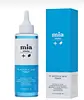
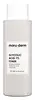
This smoothing toner is formulated around Glycolic Acid and Niacinamide to refine skin texture and brighten dull-looking skin.
This smoothing toner is formulated around Glycolic Acid and Glycyrrhiza Glabra Root Extract to refine skin texture and brighten dull-looking skin.

What's inside
What's inside
 Key Ingredients
Benefits
Concerns
Ingredients Side-by-side
Water
Skin ConditioningGlycolic Acid
Buffering











Glycerin
Humectant

Niacinamide
Smoothing


Propylene Glycol
Humectant
Aloe Barbadensis Leaf Juice
Skin Conditioning
Panthenol
Skin Conditioning
Allantoin
Skin Conditioning
Camellia Sinensis Leaf Extract
Antimicrobial
Glycyrrhiza Glabra Root Extract
Bleaching
Ethylhexylglycerin
Skin ConditioningMagnolia Liliflora Flower Extract
Skin ConditioningPhenoxyethanol
Preservative
Sorbitol
Humectant
Tetrasodium EDTA
ChelatingCopper Gluconate
Skin Conditioning
Citric Acid
Buffering
Potassium Sorbate
Preservative
Benzoic Acid
Masking
Dehydroacetic Acid
Preservative
Sodium Benzoate
Masking
Triethanolamine
BufferingWater, Glycolic Acid, Glycerin, Niacinamide, Propylene Glycol, Aloe Barbadensis Leaf Juice, Panthenol, Allantoin, Camellia Sinensis Leaf Extract, Glycyrrhiza Glabra Root Extract, Ethylhexylglycerin, Magnolia Liliflora Flower Extract, Phenoxyethanol, Sorbitol, Tetrasodium EDTA, Copper Gluconate, Citric Acid, Potassium Sorbate, Benzoic Acid, Dehydroacetic Acid, Sodium Benzoate, Triethanolamine
Water
Skin ConditioningGlycolic Acid
Buffering
Glycyrrhiza Glabra Root Extract
Bleaching
Panthenol
Skin Conditioning
Hyaluronic Acid
Humectant
Sodium Hyaluronate
Humectant
Sodium PCA
Humectant
Glycerin
Humectant
Arnica Montana Flower Extract
Masking
Arctium Lappa Root Extract
Skin Conditioning
Nasturtium Officinale Flower/Leaf Extract
AntiseborrhoeicJuniperus Communis Fruit Extract
Perfuming
Lavandula Angustifolia Flower Extract
Cleansing
Achillea Millefolium Extract
CleansingArginine
Masking
Aspartic Acid
Masking
PCA
Humectant
Glycine
Buffering
Alanine
Masking
Serine
Masking
Valine
MaskingHydrolyzed Hyaluronic Acid
Humectant
Sodium Hyaluronate Crosspolymer
Humectant
Proline
Skin Conditioning
Threonine
Isoleucine
Skin ConditioningHistidine
Humectant
Hydrolyzed Glycosaminoglycans
HumectantBenzyl Alcohol
Perfuming

Sodium Lactate
Buffering
Propanediol
Solvent
PPG-26-Buteth-26
Skin ConditioningPotassium Sorbate
Preservative
Sodium Benzoate
Masking
Phenylalanine
Masking
Propylene Glycol
Humectant
Tetrasodium EDTA
ChelatingWater, Glycolic Acid, Glycyrrhiza Glabra Root Extract, Panthenol, Hyaluronic Acid, Sodium Hyaluronate, Sodium PCA, Glycerin, Arnica Montana Flower Extract, Arctium Lappa Root Extract, Nasturtium Officinale Flower/Leaf Extract, Juniperus Communis Fruit Extract, Lavandula Angustifolia Flower Extract, Achillea Millefolium Extract, Arginine, Aspartic Acid, PCA, Glycine, Alanine, Serine, Valine, Hydrolyzed Hyaluronic Acid, Sodium Hyaluronate Crosspolymer, Proline, Threonine, Isoleucine, Histidine, Hydrolyzed Glycosaminoglycans, Benzyl Alcohol, Sodium Lactate, Propanediol, PPG-26-Buteth-26, Potassium Sorbate, Sodium Benzoate, Phenylalanine, Propylene Glycol, Tetrasodium EDTA
Reviews
Ingredients Explained
These ingredients are found in both products.
Ingredients higher up in an ingredient list are typically present in a larger amount.
Glycerin (or glycerol) is a compound naturally found in your skin. It's a powerhouse humectant that pulls water into the stratum corneum.
Topically, glycerin does several things at once:
Your skin makes glycerin on its own (mostly from sebaceous oil breakdown) and shuttles it to your outermost layer of skin, or your epidermis, via aquaporin-3.
Aquaporin-3 is a transporter that is essential for normal skin hydration, elasticity, and repair. Interestingly, mice lacking in AQP3 have dry and less elastic skin that can be fully corrected with glycerin.
This ingredient is non-irritating, plays well with almost every ingredient, and works across all skin types. Typical use is anywhere between 3-10% but can go up to 79% in some leave-on products.
Just know very high concentrations (>40%) can feel tacky in low humidity.
Glycerin is the name for this ingredient in American English. British English uses Glycerol/Glycerine.
Learn more about GlycerinGlycolic Acid is arguably the most famous alpha hydroxy acid (AHA) with tons of research backing its benefits.
It is found naturally in sugar cane but the form used in skincare is usually synthetic for purity and stability.
Glycolic acid removes the top layer of dead skin cells to allow newer and fresher ones to emerge.
AHAs work by breaking down the structural “glue” that holds old skin cells in place. When that buildup is gone, your skin can renew itself more efficiently.
Research also shows glycolic acid stimulates collagen production, helping to firm and thicken the skin over time. This is one of its biggest advantages over other AHAs.
Overall, glycolic acid helps with:
Fun fact: Glycolic acid boosts skin hydration by helping it produce molecules that increase hyaluronic acid naturally.
To work best, glycolic acid products should have a pH between 3-4 (that’s where exfoliation is most effective but still gentle on skin).
The pH and concentration of a product are key to its effectiveness:
It is normal to feel a slight stinging sensation when using glycolic acid. This usually fades as your skin adjusts.
Because glycolic acid has the smallest molecular size in the AHA family, it can penetrate deeper, which enhances its effectiveness but also makes it more likely to irritate sensitive skin.
If your skin is very sensitive or prone to rosacea, glycolic acid may be too strong; in that case, try milder options like lactic acid or a PHA instead.
Recent studies suggest glycolic acid might even help protect against UV damage. But don’t skip sunscreen! Freshly exfoliated skin is more sensitive to the sun.
Glycolic acid is a skincare superstar. It smooths, brightens, hydrates, and firms the skin. Unless you’re highly sensitive, it’s well worth adding to your routine.
Read more about some other popular AHA's here:
Learn more about Glycolic AcidGlycyrrhiza Glabra Root Extract is an extract of the roots of Licorice. It has been found to have several benefits such as skin hydrating, conditioning, and soothing.
One component, glabridin, has extra potent antioxidant and soothing properties. It has also been found to block pigmentation from UVB rays in guinea pigs.
Licorice Root also contains a flavonoid. Flavonoids are a natural substance from in plants. Flavonoids also have antioxidant properties.
Another component, glycyrrhizin, has been found to have anti-inflammatory and antimicrobial benefits. This may make licorice root extract effective at treating acne. However, more research is needed to support this.
Liquiritin is one of the flavone compounds found in licorice. It has been found to help lighten skin by preventing tyrosinase from reacting with tyrosine. When the two react, protein is converted to melanin. Melanin is the substance in your body that gives your features pigmentation.
Learn more about Glycyrrhiza Glabra Root ExtractPanthenol is a common ingredient that helps hydrate and soothe the skin. It is found naturally in our skin and hair.
There are two forms of panthenol: D and L.
D-panthenol is also known as dexpanthenol. Most cosmetics use dexpanthenol or a mixture of D and L-panthenol.
Panthenol is famous due to its ability to go deeper into the skin's layers. Using this ingredient has numerous pros (and no cons):
Like hyaluronic acid, panthenol is a humectant. Humectants are able to bind and hold large amounts of water to keep skin hydrated.
This ingredient works well for wound healing. It works by increasing tissue in the wound and helps close open wounds.
Once oxidized, panthenol converts to pantothenic acid. Panthothenic acid is found in all living cells.
This ingredient is also referred to as pro-vitamin B5.
Learn more about PanthenolPotassium Sorbate is a preservative used to prevent yeast and mold in products. It is commonly found in both cosmetic and food products.
This ingredient comes from potassium salt derived from sorbic acid. Sorbic acid is a natural antibiotic and effective against fungus.
Both potassium sorbate and sorbic acid can be found in baked goods, cheeses, dried meats, dried fruit, ice cream, pickles, wine, yogurt, and more.
You'll often find this ingredient used with other preservatives.
Learn more about Potassium SorbatePropylene Glycol is a synthetic, colorless, odorless liquid that has been a staple in cosmetics for decades. It is a skin conditioning agent, humectant, and solvent.
As a humectant, it draw water to the skin to reduce flaking and restore suppleness. It's also a solvent that helps dissolve other actives and keeps formulas stable across temperature changes.
The CIR Expert Panel has confirmed this ingredient to be nontoxic and clinical studies show no sensitization at cosmetic use concentrations.
True allergic reactions are quite rare: a 15-year retrospective study of 6,751 patients found only 0.31% had a positive reaction (and less than half were considered clinically relevant).
It seemed that when sensitization does occur, it's most commonly linked to topical medication (like corticosteroids) and not cosmetics. Allergic contact dermatitis also appears largely limited to individuals with underlying skin conditions.
Overall, propylene glycol is a well-studied ingredient that most people can tolerate without issue.
Learn more about Propylene GlycolSodium Benzoate is a preservative. It's used in both cosmetic and food products to inhibit the growth of mold and bacteria. It is typically produced synthetically.
Both the US FDA and EU Health Committee have approved the use of sodium benzoate. In the US, levels of 0.1% (of the total product) are allowed.
Sodium benzoate works as a preservative by inhibiting the growth of bacteria inside of cells. It prevents the cell from fermenting a type of sugar using an enzyme called phosphofructokinase.
It is the salt of benzoic acid. Foods containing sodium benzoate include soda, salad dressings, condiments, fruit juices, wines, and snack foods.
Studies for using ascorbic acid and sodium benzoate in cosmetics are lacking, especially in skincare routines with multiple steps.
We always recommend speaking with a professional, such as a dermatologist, if you have any concerns.
Learn more about Sodium BenzoateTetrasodium EDTA is the salt formed from neutralizing ethylenediamine tetraacetic acid with sodium hydroxide. It is a chelating agent and used to prevent metal ions from binding to other ingredients. This helps keep the product and ingredients stable.
Tetrasodium EDTA comes as a white solid and is soluble in water.
Water. It's the most common cosmetic ingredient of all. You'll usually see it at the top of ingredient lists, meaning that it makes up the largest part of the product.
So why is it so popular? Water most often acts as a solvent - this means that it helps dissolve other ingredients into the formulation.
You'll also recognize water as that liquid we all need to stay alive. If you see this, drink a glass of water. Remember to stay hydrated!
Learn more about Water

