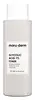
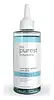
maru.derm Glycolic Acid 7% Toner Versus The Purest Solutions Exfoliating And Clarifying Toner Glycolic Acid %5 AHA+BHA
This smoothing toner is formulated around Glycolic Acid and Glycyrrhiza Glabra Root Extract to refine skin texture and brighten dull-looking skin.
This smoothing exfoliator is formulated around Glycolic Acid and Panthenol to refine skin texture and refine the look of pores.

What's inside
What's inside
 Key Ingredients
Benefits
Concerns
Ingredients Side-by-side
Water
Skin ConditioningGlycolic Acid
Buffering











Glycyrrhiza Glabra Root Extract
Bleaching



Panthenol
Skin Conditioning
Hyaluronic Acid
Humectant
Sodium Hyaluronate
Humectant
Sodium PCA
Humectant
Glycerin
Humectant
Arnica Montana Flower Extract
Masking
Arctium Lappa Root Extract
Skin Conditioning
Nasturtium Officinale Flower/Leaf Extract
AntiseborrhoeicJuniperus Communis Fruit Extract
Perfuming
Lavandula Angustifolia Flower Extract
Cleansing
Achillea Millefolium Extract
CleansingArginine
Masking
Aspartic Acid
Masking
PCA
Humectant
Glycine
Buffering
Alanine
Masking
Serine
Masking
Valine
MaskingHydrolyzed Hyaluronic Acid
Humectant
Sodium Hyaluronate Crosspolymer
Humectant
Proline
Skin Conditioning
Threonine
Isoleucine
Skin ConditioningHistidine
Humectant
Hydrolyzed Glycosaminoglycans
HumectantBenzyl Alcohol
Perfuming



Sodium Lactate
Buffering
Propanediol
Solvent
PPG-26-Buteth-26
Skin ConditioningPotassium Sorbate
Preservative
Sodium Benzoate
Masking
Phenylalanine
Masking
Propylene Glycol
Humectant
Tetrasodium EDTA
ChelatingWater, Glycolic Acid, Glycyrrhiza Glabra Root Extract, Panthenol, Hyaluronic Acid, Sodium Hyaluronate, Sodium PCA, Glycerin, Arnica Montana Flower Extract, Arctium Lappa Root Extract, Nasturtium Officinale Flower/Leaf Extract, Juniperus Communis Fruit Extract, Lavandula Angustifolia Flower Extract, Achillea Millefolium Extract, Arginine, Aspartic Acid, PCA, Glycine, Alanine, Serine, Valine, Hydrolyzed Hyaluronic Acid, Sodium Hyaluronate Crosspolymer, Proline, Threonine, Isoleucine, Histidine, Hydrolyzed Glycosaminoglycans, Benzyl Alcohol, Sodium Lactate, Propanediol, PPG-26-Buteth-26, Potassium Sorbate, Sodium Benzoate, Phenylalanine, Propylene Glycol, Tetrasodium EDTA
Water
Skin ConditioningGlycolic Acid
Buffering
Phenethyl Alcohol
MaskingPropylene Glycol
Humectant
Panthenol
Skin Conditioning
PPG-1-PEG-9 Lauryl Glycol Ether
EmulsifyingCoceth-7
EmulsifyingInulin
Skin Conditioning
1,2-Hexanediol
Skin Conditioning
Parfum
Masking
Triethanolamine
BufferingPEG-40 Hydrogenated Castor Oil
Emulsifying

Fructose
Humectant
Tetrasodium EDTA
ChelatingCopper Gluconate
Skin Conditioning
Citric Acid
Buffering
Sodium Hyaluronate
Humectant
Lactic Acid
Buffering
Ascorbic Acid
Antioxidant

Malic Acid
Buffering
Gluconic Acid
Chelating
Phenoxyethanol
Preservative
Salicylic Acid
Masking

Tartaric Acid
Buffering
Ethylhexylglycerin
Skin ConditioningWater, Glycolic Acid, Phenethyl Alcohol, Propylene Glycol, Panthenol, PPG-1-PEG-9 Lauryl Glycol Ether, Coceth-7, Inulin, 1,2-Hexanediol, Parfum, Triethanolamine, PEG-40 Hydrogenated Castor Oil, Fructose, Tetrasodium EDTA, Copper Gluconate, Citric Acid, Sodium Hyaluronate, Lactic Acid, Ascorbic Acid, Malic Acid, Gluconic Acid, Phenoxyethanol, Salicylic Acid, Tartaric Acid, Ethylhexylglycerin
Reviews
Ingredients Explained
These ingredients are found in both products.
Ingredients higher up in an ingredient list are typically present in a larger amount.
Glycolic Acid is arguably the most famous alpha hydroxy acid (AHA) with tons of research backing its benefits.
It is found naturally in sugar cane but the form used in skincare is usually synthetic for purity and stability.
Glycolic acid removes the top layer of dead skin cells to allow newer and fresher ones to emerge.
AHAs work by breaking down the structural “glue” that holds old skin cells in place. When that buildup is gone, your skin can renew itself more efficiently.
Research also shows glycolic acid stimulates collagen production, helping to firm and thicken the skin over time. This is one of its biggest advantages over other AHAs.
Overall, glycolic acid helps with:
Fun fact: Glycolic acid boosts skin hydration by helping it produce molecules that increase hyaluronic acid naturally.
To work best, glycolic acid products should have a pH between 3-4 (that’s where exfoliation is most effective but still gentle on skin).
The pH and concentration of a product are key to its effectiveness:
It is normal to feel a slight stinging sensation when using glycolic acid. This usually fades as your skin adjusts.
Because glycolic acid has the smallest molecular size in the AHA family, it can penetrate deeper, which enhances its effectiveness but also makes it more likely to irritate sensitive skin.
If your skin is very sensitive or prone to rosacea, glycolic acid may be too strong; in that case, try milder options like lactic acid or a PHA instead.
Recent studies suggest glycolic acid might even help protect against UV damage. But don’t skip sunscreen! Freshly exfoliated skin is more sensitive to the sun.
Glycolic acid is a skincare superstar. It smooths, brightens, hydrates, and firms the skin. Unless you’re highly sensitive, it’s well worth adding to your routine.
Read more about some other popular AHA's here:
Learn more about Glycolic AcidPanthenol is a common ingredient that helps hydrate and soothe the skin. It is found naturally in our skin and hair.
There are two forms of panthenol: D and L.
D-panthenol is also known as dexpanthenol. Most cosmetics use dexpanthenol or a mixture of D and L-panthenol.
Panthenol is famous due to its ability to go deeper into the skin's layers. Using this ingredient has numerous pros (and no cons):
Like hyaluronic acid, panthenol is a humectant. Humectants are able to bind and hold large amounts of water to keep skin hydrated.
This ingredient works well for wound healing. It works by increasing tissue in the wound and helps close open wounds.
Once oxidized, panthenol converts to pantothenic acid. Panthothenic acid is found in all living cells.
This ingredient is also referred to as pro-vitamin B5.
Learn more about PanthenolPropylene Glycol is a synthetic, colorless, odorless liquid that has been a staple in cosmetics for decades. It is a skin conditioning agent, humectant, and solvent.
As a humectant, it draw water to the skin to reduce flaking and restore suppleness. It's also a solvent that helps dissolve other actives and keeps formulas stable across temperature changes.
The CIR Expert Panel has confirmed this ingredient to be nontoxic and clinical studies show no sensitization at cosmetic use concentrations.
True allergic reactions are quite rare: a 15-year retrospective study of 6,751 patients found only 0.31% had a positive reaction (and less than half were considered clinically relevant).
It seemed that when sensitization does occur, it's most commonly linked to topical medication (like corticosteroids) and not cosmetics. Allergic contact dermatitis also appears largely limited to individuals with underlying skin conditions.
Overall, propylene glycol is a well-studied ingredient that most people can tolerate without issue.
Learn more about Propylene GlycolSodium Hyaluronate is the salt form of hyaluronic acid. It is a long sugar chain that is naturally found in your skin, joints, and connective tissue that maintains hydration and elasticity.
In skincare, it works as a humectant. It pulls water from the environment and deeper layers of skin and binds it to the surface.
Interestingly, the size of the molecule affects its behavior:
Some clinical evidence links low molecular weight versions to improved wrinkle depth, elasticity, anti-inflammatory effects, and barrier repair.
Many serums use a blend of both weights so you can get surface hydration plus longer-lasting and deeper effects.
You'll typically see concentrations between 0.1-2% for this ingredient.
Learn more about Sodium HyaluronateTetrasodium EDTA is the salt formed from neutralizing ethylenediamine tetraacetic acid with sodium hydroxide. It is a chelating agent and used to prevent metal ions from binding to other ingredients. This helps keep the product and ingredients stable.
Tetrasodium EDTA comes as a white solid and is soluble in water.
Water. It's the most common cosmetic ingredient of all. You'll usually see it at the top of ingredient lists, meaning that it makes up the largest part of the product.
So why is it so popular? Water most often acts as a solvent - this means that it helps dissolve other ingredients into the formulation.
You'll also recognize water as that liquid we all need to stay alive. If you see this, drink a glass of water. Remember to stay hydrated!
Learn more about Water

