Merle Norman Glycolic Rejuvenating Pads Versus First Aid Beauty FAB Pharma Arnica Relief & Rescue Mask
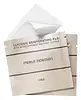
This smoothing treatment pad uses a pre-saturated pad with Glycolic Acid to refine skin texture and brighten dull-looking skin.
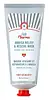
This calming treatment is formulated around Colloidal Oatmeal and Allantoin to calm redness and hydrate skin.

What's inside
What's inside
 Key Ingredients
Benefits
Concerns
Ingredients Side-by-side
Water
Skin ConditioningGlycolic Acid
Buffering











Sodium Hydroxide
BufferingMethyl Methacrylate/Glycol Dimethacrylate Crosspolymer
Glycerin
Humectant

Hamamelis Virginiana Water
Astringent

Calendula Officinalis Flower Extract
Masking


Glycyrrhiza Glabra Root Extract
Bleaching
Citrus Aurantium Dulcis Flower Water
Skin ConditioningTocopheryl Acetate
Antioxidant

Butylene Glycol
Humectant
Lauryl Methacrylate/Glycol Dimethacrylate Crosspolymer
Xanthan Gum
EmulsifyingBenzoic Acid
Masking
Phenoxyethanol
Preservative
Ethylhexylglycerin
Skin ConditioningWater, Glycolic Acid, Sodium Hydroxide, Methyl Methacrylate/Glycol Dimethacrylate Crosspolymer, Glycerin, Hamamelis Virginiana Water, Calendula Officinalis Flower Extract, Glycyrrhiza Glabra Root Extract, Citrus Aurantium Dulcis Flower Water, Tocopheryl Acetate, Butylene Glycol, Lauryl Methacrylate/Glycol Dimethacrylate Crosspolymer, Xanthan Gum, Benzoic Acid, Phenoxyethanol, Ethylhexylglycerin
Water
Skin ConditioningC12-15 Alkyl Benzoate
AntimicrobialGlycerin
Humectant
Butyrospermum Parkii Butter
Skin Conditioning


Glyceryl Stearate
Emollient
Behenyl Alcohol
Emollient
Theobroma Cacao Seed Butter
Emollient
Glyceryl Citrate/Lactate/Linoleate/Oleate
Emulsifying
Cannabis Sativa Seed Oil
Emollient
Cocos Nucifera Oil
Masking
Aloe Barbadensis Leaf Juice
Skin Conditioning
Cetearyl Olivate
Allantoin
Skin Conditioning
Phenoxyethanol
Preservative
Caprylyl Glycol
Emollient
Sorbitan Olivate
Emulsifying
Sodium Polyacrylate
Absorbent
Pentylene Glycol
Skin Conditioning
Butylene Glycol
Humectant
Hydrogenated Polydecene
EmollientXanthan Gum
EmulsifyingNicotiana Tabacum Leaf Oil
Perfuming
Melia Azadirachta Leaf Extract
Skin ConditioningTrideceth-6
EmulsifyingTocopheryl Acetate
Antioxidant
Melia Azadirachta Flower Extract
Skin ConditioningCoccinia Indica Fruit Extract
Skin Conditioning
Solanum Melongena Fruit Extract
Skin ConditioningAloe Barbadensis Flower Extract
EmollientColloidal Oatmeal
Absorbent
Calendula Officinalis Flower Extract
Masking
Camellia Sinensis Leaf Extract
Antimicrobial
Glycyrrhiza Glabra Root Extract
Bleaching
Chrysanthemum Parthenium Extract
Skin ConditioningArnica Montana Flower Extract
Masking
Centella Asiatica Extract
Cleansing
Ruscus Aculeatus Root Extract
Astringent
Hydroxyphenyl Propamidobenzoic Acid
Skin ConditioningOcimum Sanctum Leaf Extract
Skin ConditioningCurcuma Longa Root Extract
Antioxidant
Corallina Officinalis Extract
Skin Conditioning
Ascorbyl Palmitate
Antioxidant
Citric Acid
Buffering
Leuconostoc/Radish Root Ferment Filtrate
Antimicrobial
Potassium Sorbate
Preservative
Sodium Benzoate
Masking
Ethylhexylglycerin
Skin ConditioningWater, C12-15 Alkyl Benzoate, Glycerin, Butyrospermum Parkii Butter, Glyceryl Stearate, Behenyl Alcohol, Theobroma Cacao Seed Butter, Glyceryl Citrate/Lactate/Linoleate/Oleate, Cannabis Sativa Seed Oil, Cocos Nucifera Oil, Aloe Barbadensis Leaf Juice, Cetearyl Olivate, Allantoin, Phenoxyethanol, Caprylyl Glycol, Sorbitan Olivate, Sodium Polyacrylate, Pentylene Glycol, Butylene Glycol, Hydrogenated Polydecene, Xanthan Gum, Nicotiana Tabacum Leaf Oil, Melia Azadirachta Leaf Extract, Trideceth-6, Tocopheryl Acetate, Melia Azadirachta Flower Extract, Coccinia Indica Fruit Extract, Solanum Melongena Fruit Extract, Aloe Barbadensis Flower Extract, Colloidal Oatmeal, Calendula Officinalis Flower Extract, Camellia Sinensis Leaf Extract, Glycyrrhiza Glabra Root Extract, Chrysanthemum Parthenium Extract, Arnica Montana Flower Extract, Centella Asiatica Extract, Ruscus Aculeatus Root Extract, Hydroxyphenyl Propamidobenzoic Acid, Ocimum Sanctum Leaf Extract, Curcuma Longa Root Extract, Corallina Officinalis Extract, Ascorbyl Palmitate, Citric Acid, Leuconostoc/Radish Root Ferment Filtrate, Potassium Sorbate, Sodium Benzoate, Ethylhexylglycerin
Reviews
Ingredients Explained
These ingredients are found in both products.
Ingredients higher up in an ingredient list are typically present in a larger amount.
Butylene Glycol (or BG) is used within cosmetic products for a few different reasons:
Overall, Butylene Glycol is a safe and well-rounded ingredient that works well with other ingredients.
Though this ingredient works well with most skin types, some people with sensitive skin may experience a reaction such as allergic rashes, closed comedones, or itchiness.
Learn more about Butylene GlycolCalendula Officinalis Flower Extract comes from the marigold flower and has been used on skin for centuries for its calming effect.
In the lab, its active compounds appear to calm inflammation and support the early "healing" phase of minor wounds.
This is why Europe's medicines regulator has approved calendula extracts as a traditional remedy for minor skin inflammation and healing small wounds.
The stronger human evidence is around would/ulcer care rather than everyday cosmetic claims; a review that pulled together 14 studies found that calendula helped calm the early, inflamed stage of a wound and helped new skin tissue form faster.
Two studies also showed it shrank leg ulcers (the kind caused by poor circulation). Results were mixed for burns and for the skin irritation people get from radiation treatment, so it's not a sure thing there.
In cosmetics, it's mostly a skin conditioning and soothing agent.
The Cosmetic Ingredient Review panel concluded that calendula-derived ingredients are safe as used and that the ingredients are not irritating, sensitizing, or photosensitizing in clinical tests (though they may be mild eye irritants).
Typical use levels are quite low; industry data reported it used at under 0.5% (one supplier noted a 10-25% extract blend used at 1-10% in the finished product). Historical use goes up to 10%.
The only thing to keep in mind is if you have daisy/ragweed allergies. Calendula is in the same family and one patch-test study found 2% of dermatitis patients reacted to marigold. Be sure to patch test if you have sensitive or allergy-prone skin.
Learn more about Calendula Officinalis Flower ExtractEthylhexylglycerin is created from glycerin. It is a multitasker ingredient that:
The CIR Expert Panel found minimal skin absorption or sensitization of any kind in a safety assessment. Though this ingredient is considered well-tolerated, a small number of cases of allergic dermatitis have been published since 2002. Just be sure to patch test if you are unsure.
Industry-reported use ranges from 8% in rinse-off products and 2% in leave-on formulations.
Learn more about EthylhexylglycerinGlycerin (or glycerol) is a compound naturally found in your skin. It's a powerhouse humectant that pulls water into the stratum corneum.
Topically, glycerin does several things at once:
Your skin makes glycerin on its own (mostly from sebaceous oil breakdown) and shuttles it to your outermost layer of skin, or your epidermis, via aquaporin-3.
Aquaporin-3 is a transporter that is essential for normal skin hydration, elasticity, and repair. Interestingly, mice lacking in AQP3 have dry and less elastic skin that can be fully corrected with glycerin.
This ingredient is non-irritating, plays well with almost every ingredient, and works across all skin types. Typical use is anywhere between 3-10% but can go up to 79% in some leave-on products.
Just know very high concentrations (>40%) can feel tacky in low humidity.
Glycerin is the name for this ingredient in American English. British English uses Glycerol/Glycerine.
Learn more about GlycerinGlycyrrhiza Glabra Root Extract is an extract of the roots of Licorice. It has been found to have several benefits such as skin hydrating, conditioning, and soothing.
One component, glabridin, has extra potent antioxidant and soothing properties. It has also been found to block pigmentation from UVB rays in guinea pigs.
Licorice Root also contains a flavonoid. Flavonoids are a natural substance from in plants. Flavonoids also have antioxidant properties.
Another component, glycyrrhizin, has been found to have anti-inflammatory and antimicrobial benefits. This may make licorice root extract effective at treating acne. However, more research is needed to support this.
Liquiritin is one of the flavone compounds found in licorice. It has been found to help lighten skin by preventing tyrosinase from reacting with tyrosine. When the two react, protein is converted to melanin. Melanin is the substance in your body that gives your features pigmentation.
Learn more about Glycyrrhiza Glabra Root ExtractPhenoxyethanol is one of the most widely used preservatives in skincare (and for good reason!).
It has a large spectrum of antimicrobial activity and especially effective bacteria, yeast, and mold while only having a weak effect on your skin's natural microbiome.
On a cellular level, it disrupts the cell membranes of microbes by poking holes that make the cell leak. This shuts down the chemical reactions the microbe needs to make energy so it can no longer survive.
Another perk of this ingredient is that it stays functional across a wide pH range (3-10).
You'll often see it paired with boosters like Ethylhexylglycerin; one study showed that a 1:9 ratio of Ethylhexylglycerin to Phenoxyethanol damages bacterial membranes as effectively as doubling the Phenoxyethanol concentration on its own.
Typical use concentrations range from 0.3-1% depending on the formula, and this ingredient is capped at 1% int the EU.
Safety-wise, the fear mongering does not hold up to the evidence. The EU's Scientific Committee on Consumer Safety and FDA consider it safe as a preservative at up to 1%, including for children of all ages.
Adverse systemic effects only showed up in animal studies at exposures roughly 200x higher than what people get from cosmetics. And despite its very widespread use, this ingredient is a rare sensitizer and allergic reactions are uncommon.
Learn more about PhenoxyethanolTocopheryl Acetate is a stable, shelf-friendly form of vitamin E.
Formulators love it because plain vitamin E oxidizes quickly once it hits air. This acetate version stays stable and resists going off, helping to extend a product's shelf life.
It's actually inactive on its own and works like a slow-release "storage" form; the enzymes in your skin called esterases gradually convert it into active vitamin E over time.
One in vivo study showed 5% of the acetate in the living layer of the epidermis converted to vitamin E after 5 days of application. This study also found the skin gained protection against UV damage even though the conversion was slow and small.
Once converted, vitamin E acts as a skin's main fat-soluble antioxidant that fights free radicals to protect skin from damage.
Topical vitamin E generally boosts the skin's photoprotection, and it reduced UV-damage in animal models.
This ingredient has some brightening potential but it's more of a prevention ingredient than spot-fader. Cell studies show it can slow down melanin production but it's worth noting that it's not the most powerful brightener out there.
Overall, it has a pretty solid safety profile and has been found to be non-irritating and non-comedogenic. Allergic reactions may happen but stay rare due to how widely the ingredient gets used.
The concentration will vary depending on the formula; industry data shows 0.1% in baby lotions, 3% in lipsticks, and 5% in foot powders. You can also find this ingredient at 100% in a pure vitamin E oil.
Most leave-on skincare keeps it at the lower end, often between 0.5-1%.
Learn more about Tocopheryl AcetateWater. It's the most common cosmetic ingredient of all. You'll usually see it at the top of ingredient lists, meaning that it makes up the largest part of the product.
So why is it so popular? Water most often acts as a solvent - this means that it helps dissolve other ingredients into the formulation.
You'll also recognize water as that liquid we all need to stay alive. If you see this, drink a glass of water. Remember to stay hydrated!
Learn more about WaterXanthan gum is used as a stabilizer and thickener within cosmetic products. It helps give products a sticky, thick feeling - preventing them from being too runny.
On the technical side of things, xanthan gum is a polysaccharide - a combination consisting of multiple sugar molecules bonded together.
Xanthan gum is a pretty common and great ingredient. It is a natural, non-toxic, non-irritating ingredient that is also commonly used in food products.
Learn more about Xanthan Gum

