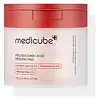
This acne toner pad uses a pre-saturated pad with Niacinamide and Salicylic Acid to clear breakouts and refine skin texture.
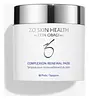
This smoothing exfoliating pad uses a pre-saturated pad with Salicylic Acid and Urea to refine skin texture and balance excess oil.


What's inside
What's inside
 Key Ingredients
Benefits
Concerns
Ingredients Side-by-side
Water
Skin ConditioningButylene Glycol
Humectant

Propanediol
Solvent
Niacinamide
Smoothing










1,2-Hexanediol
Skin Conditioning
Alcohol
Antimicrobial




Panthenol
Skin Conditioning
Succinic Acid
BufferingGlycerin
Humectant
Polyglyceryl-10 Laurate
Skin Conditioning
Polyglycerin-3
Humectant
Tromethamine
BufferingAllantoin
Skin Conditioning
Salicylic Acid
Masking

Vinyldimethicone

Ethylhexylglycerin
Skin ConditioningCoptis Japonica Root Extract
Skin ConditioningXanthan Gum
EmulsifyingDisodium EDTA
ChelatingCyanocobalamin
Skin ConditioningHydrogenated Lecithin
Emulsifying
Mentha Piperita Oil
Masking



Citrus Aurantium Bergamia Fruit Oil
Masking
Rosmarinus Officinalis Leaf Oil
Masking
Protease
Exfoliating
Juniperus Virginiana Oil
Masking
Lavandula Hybrida Oil
Emollient
Elettaria Cardamomum Seed Extract
Perfuming
Foeniculum Vulgare Seed Extract
Skin ConditioningCrocus Sativus Flower Extract
MaskingCoriandrum Sativum Extract
Skin ConditioningTocopherol
Antioxidant

Water, Butylene Glycol, Propanediol, Niacinamide, 1,2-Hexanediol, Alcohol, Panthenol, Succinic Acid, Glycerin, Polyglyceryl-10 Laurate, Polyglycerin-3, Tromethamine, Allantoin, Salicylic Acid, Vinyldimethicone, Ethylhexylglycerin, Coptis Japonica Root Extract, Xanthan Gum, Disodium EDTA, Cyanocobalamin, Hydrogenated Lecithin, Mentha Piperita Oil, Citrus Aurantium Bergamia Fruit Oil, Rosmarinus Officinalis Leaf Oil, Protease, Juniperus Virginiana Oil, Lavandula Hybrida Oil, Elettaria Cardamomum Seed Extract, Foeniculum Vulgare Seed Extract, Crocus Sativus Flower Extract, Coriandrum Sativum Extract, Tocopherol
Water
Skin ConditioningAlcohol
Antimicrobial
Propylene Glycol
Humectant
Salicylic Acid
Masking
Urea
Buffering
Pterocarpus Soyauxii Wood Extract
AstringentPhellodendron Amurense Bark Extract
Skin ConditioningHordeum Distichon Extract
Skin ProtectingCamellia Sinensis Leaf Extract
Antimicrobial
Artemisia Vulgaris Extract
Skin Conditioning
Plantago Lanceolata Leaf Extract
AntimicrobialCrithmum Maritimum Extract
Skin ConditioningSpiraea Ulmaria Extract
AstringentSodium Hydroxide
BufferingGlycolic Acid
Buffering
Butylene Glycol
Humectant
Sodium Carbonate
BufferingSodium Chloride
MaskingDisodium EDTA
ChelatingT-Butyl Alcohol
Perfuming
Denatonium Benzoate
Masking
Phenoxyethanol
Preservative
Parfum
Masking
Citronellol
Perfuming
Hexyl Cinnamal
Perfuming
Limonene
Perfuming
Linalool
Perfuming
Water, Alcohol, Propylene Glycol, Salicylic Acid, Urea, Pterocarpus Soyauxii Wood Extract, Phellodendron Amurense Bark Extract, Hordeum Distichon Extract, Camellia Sinensis Leaf Extract, Artemisia Vulgaris Extract, Plantago Lanceolata Leaf Extract, Crithmum Maritimum Extract, Spiraea Ulmaria Extract, Sodium Hydroxide, Glycolic Acid, Butylene Glycol, Sodium Carbonate, Sodium Chloride, Disodium EDTA, T-Butyl Alcohol, Denatonium Benzoate, Phenoxyethanol, Parfum, Citronellol, Hexyl Cinnamal, Limonene, Linalool
Reviews
Ingredients Explained
These ingredients are found in both products.
Ingredients higher up in an ingredient list are typically present in a larger amount.
This ingredient is also called ethanol or ethyl alcohol. It is denatured, meaning made undrinkable for cosmetic use.
In formulas, it:
Is it bad for your skin?
The answer comes down to concentration. Patch and wash studies have found highly concentrated alcohol-based hand rubs (60-100%) cause less barrier disruption than washing with a basic detergent like SLS. The only measurable effect in these studies was a temporary dip in skin hydration.
Concentrations below 12-15% in leave-on cosmetics is generally well-tolerated. Concentrations above start to see increased transepidermal water loss (TEWL) and reduced hydration.
In concentrations about 58%, it creates temporary channels in your skin's lipid layers to become more permeable and allow other ingredients to slip through easily.
This ingredient can be up to 80% of the formula in alcohol-based perfumes.
Overall, this ingredient is probably harmless if found lower down an ingredients list but worth side-eyeing if it's high up (especially if your barrier is already struggling).
Alcohol can worsen dry skin, eczema, and oily skin, especially at higher concentrations. This is because it can increase transepidermal water loss and decrease hydration to disrupt the skin barrier.
According to the National Rosacea Society based in the US, you should be mindful of products with these alcohols in the top half of ingredients.
True allergic contact dermatitis to ethanol is uncommon, but be sure to patch test if you have dry or sensitive skin.
Learn more about AlcoholButylene Glycol (or BG) is used within cosmetic products for a few different reasons:
Overall, Butylene Glycol is a safe and well-rounded ingredient that works well with other ingredients.
Though this ingredient works well with most skin types, some people with sensitive skin may experience a reaction such as allergic rashes, closed comedones, or itchiness.
Learn more about Butylene GlycolDisodium EDTA is a chelating agent. It grabs onto and deactivates metal ions that sneak into your products from water, packaging, or air.
This ingredient mainly works behind the scenes and helps with:
On top of that, this ingredient can counteract the effects of hard water by binding to the minerals in it.
One thing worth knowing is that Disodium EDTA has been shown to be a mild penetration enhancer. It can help other ingredients absorb into skin more effectively which can be a double-edged sword (great for actives, but can also make the active too strong if you have sensitive skin).
Clinical patch testing showed no significant skin irritation at typical use concentrations and minimal dermal absorption.
You'll most likely see this ingredient near the end of an ingredient list. It's typically found in concentrations less than 1%.
Learn more about Disodium EDTASalicylic Acid (also known as beta hydroxy acid or BHA) is a well-known ingredient for treating skin that struggles with acne and clogged pores. It exfoliates both the skin's surface and deep within the pores to help clear out buildup, control oil, and reduce inflammation.
Unlike AHAs (alpha hydroxy acids), salicylic acid is oil-soluble. This allows it to penetrate into pores which makes it especially effective for treating blackheads and preventing future breakouts.
Salicylic acid is also known for its soothing properties. It has a similar structure to aspirin and can calm inflamed or irritated skin, making it a good option for acne-prone skin that is also sensitive.
Concentrations of 0.5-2% are recognized by the U.S. FDA as an over-the-counter topical acne product.
It can cause irritation and/or dryness if one's skin already has a compromised moisture barrier, so it's best to focus on repairing that before introducing this ingredient into your routine.
While salicylic acid does not increase sun sensitivity, it’s still important to wear sunscreen daily to protect your skin.
If you are looking for the ingredient called BHA or Butylated Hydroxyanisole, click here.
Learn more about Salicylic AcidWater. It's the most common cosmetic ingredient of all. You'll usually see it at the top of ingredient lists, meaning that it makes up the largest part of the product.
So why is it so popular? Water most often acts as a solvent - this means that it helps dissolve other ingredients into the formulation.
You'll also recognize water as that liquid we all need to stay alive. If you see this, drink a glass of water. Remember to stay hydrated!
Learn more about Water

