ZO Skin Health Complexion Renewal Pads Versus Haruharu Wonder Black Rice Hyaluronic Botanical 2GF Wonderful Ampoule
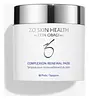
This smoothing exfoliating pad uses a pre-saturated pad with Salicylic Acid and Urea to refine skin texture and balance excess oil.
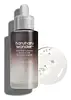
This hydrating ampoule is formulated around Oryza Sativa Extract to hydrate skin and soften the look of wrinkles.


What's inside
What's inside
 Key Ingredients
Benefits
Concerns
No concerns
Ingredients Side-by-side
Water
Skin ConditioningAlcohol
Antimicrobial




Propylene Glycol
Humectant
Salicylic Acid
Masking






Urea
Buffering

Pterocarpus Soyauxii Wood Extract
AstringentPhellodendron Amurense Bark Extract
Skin ConditioningHordeum Distichon Extract
Skin ProtectingCamellia Sinensis Leaf Extract
Antimicrobial



Artemisia Vulgaris Extract
Skin Conditioning
Plantago Lanceolata Leaf Extract
AntimicrobialCrithmum Maritimum Extract
Skin ConditioningSpiraea Ulmaria Extract
AstringentSodium Hydroxide
BufferingGlycolic Acid
Buffering



Butylene Glycol
Humectant
Sodium Carbonate
BufferingSodium Chloride
MaskingDisodium EDTA
ChelatingT-Butyl Alcohol
Perfuming

Denatonium Benzoate
Masking
Phenoxyethanol
Preservative
Parfum
Masking
Citronellol
Perfuming
Hexyl Cinnamal
Perfuming
Limonene
Perfuming
Linalool
Perfuming
Water, Alcohol, Propylene Glycol, Salicylic Acid, Urea, Pterocarpus Soyauxii Wood Extract, Phellodendron Amurense Bark Extract, Hordeum Distichon Extract, Camellia Sinensis Leaf Extract, Artemisia Vulgaris Extract, Plantago Lanceolata Leaf Extract, Crithmum Maritimum Extract, Spiraea Ulmaria Extract, Sodium Hydroxide, Glycolic Acid, Butylene Glycol, Sodium Carbonate, Sodium Chloride, Disodium EDTA, T-Butyl Alcohol, Denatonium Benzoate, Phenoxyethanol, Parfum, Citronellol, Hexyl Cinnamal, Limonene, Linalool
Water
Skin ConditioningPentylene Glycol
Skin Conditioning
Propanediol
Solvent
Glycerin
Humectant
Oryza Sativa Extract
Absorbent
Butylene Glycol
Humectant
Ammonium Acryloyldimethyltaurate/Vp Copolymer
1,2-Hexanediol
Skin Conditioning
Zanthoxylum Piperitum Fruit Extract
Skin ConditioningPulsatilla Koreana Extract
Skin ConditioningUsnea Barbata Extract
Aspergillus Ferment
Skin ConditioningCyclodextrin
AbsorbentPanax Ginseng Root Extract
Emollient
Phyllostachys Pubescens Shoot Bark Extract
Skin ConditioningSodium Hyaluronate
Humectant
Xanthan Gum
EmulsifyingDipotassium Glycyrrhizate
Humectant
Adenosine
Skin Conditioning
Disodium EDTA
ChelatingMannitol
Humectant
Sodium Chloride
MaskingRice Sh-Oligopeptide-1
Skin Conditioning
Chlorella Vulgaris Extract
Skin ConditioningMadecassoside
Antioxidant
Disodium Phosphate
BufferingRice Sh-Polypeptide-1
Humectant
Cynanchum Atratum Extract
Skin ConditioningSodium Phosphate
BufferingPotassium Phosphate
BufferingPotassium Chloride
Water, Pentylene Glycol, Propanediol, Glycerin, Oryza Sativa Extract, Butylene Glycol, Ammonium Acryloyldimethyltaurate/Vp Copolymer, 1,2-Hexanediol, Zanthoxylum Piperitum Fruit Extract, Pulsatilla Koreana Extract, Usnea Barbata Extract, Aspergillus Ferment, Cyclodextrin, Panax Ginseng Root Extract, Phyllostachys Pubescens Shoot Bark Extract, Sodium Hyaluronate, Xanthan Gum, Dipotassium Glycyrrhizate, Adenosine, Disodium EDTA, Mannitol, Sodium Chloride, Rice Sh-Oligopeptide-1, Chlorella Vulgaris Extract, Madecassoside, Disodium Phosphate, Rice Sh-Polypeptide-1, Cynanchum Atratum Extract, Sodium Phosphate, Potassium Phosphate, Potassium Chloride
Reviews
Ingredients Explained
These ingredients are found in both products.
Ingredients higher up in an ingredient list are typically present in a larger amount.
Butylene Glycol (or BG) is used within cosmetic products for a few different reasons:
Overall, Butylene Glycol is a safe and well-rounded ingredient that works well with other ingredients.
Though this ingredient works well with most skin types, some people with sensitive skin may experience a reaction such as allergic rashes, closed comedones, or itchiness.
Learn more about Butylene GlycolDisodium EDTA is a chelating agent. It grabs onto and deactivates metal ions that sneak into your products from water, packaging, or air.
This ingredient mainly works behind the scenes and helps with:
On top of that, this ingredient can counteract the effects of hard water by binding to the minerals in it.
One thing worth knowing is that Disodium EDTA has been shown to be a mild penetration enhancer. It can help other ingredients absorb into skin more effectively which can be a double-edged sword (great for actives, but can also make the active too strong if you have sensitive skin).
Clinical patch testing showed no significant skin irritation at typical use concentrations and minimal dermal absorption.
You'll most likely see this ingredient near the end of an ingredient list. It's typically found in concentrations less than 1%.
Learn more about Disodium EDTAChances are, you eat sodium chloride every day. Sodium Chloride is also known as table salt. This ingredient has many purposes in skincare: thickener, emulsifier, and exfoliator.
You'll most likely find this ingredient in cleansers where it is used to create a gel-like texture. As an emulsifier, it also prevents ingredients from separating.
You might see people debate whether Sodium Chloride is comedogenic, but there actually haven't been any comedogenic tests done on it. Either way, the overall formulation of a product matters a lot more than any single ingredient.
You might see this ingredient used in scrubs as a primary exfoliating ingredient.
Learn more about Sodium ChlorideWater. It's the most common cosmetic ingredient of all. You'll usually see it at the top of ingredient lists, meaning that it makes up the largest part of the product.
So why is it so popular? Water most often acts as a solvent - this means that it helps dissolve other ingredients into the formulation.
You'll also recognize water as that liquid we all need to stay alive. If you see this, drink a glass of water. Remember to stay hydrated!
Learn more about Water

