MediCube Kojic Acid Turmeric Niacinamide Serum Versus Global Beauty Care Turmeric Face Milk Brighten & Nourish
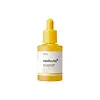
This brightening serum is formulated around Niacinamide and Kojic Acid to fade the look of dark spots and brighten dull-looking skin.
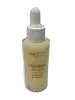
This barrier-repair serum is formulated around Lactobacillus Ferment and Ceramide NP to strengthen the skin barrier and hydrate skin.


What's inside
What's inside
 Key Ingredients
Benefits
Concerns
No concerns
Ingredients Side-by-side
Water
Skin ConditioningNiacinamide
Smoothing











Butylene Glycol
Humectant
Jojoba Esters
Emollient

1,2-Hexanediol
Skin Conditioning
Curcuma Longa Root Extract
Antioxidant

Caprylic/Capric/Succinic Triglyceride
EmollientCoco-Caprylate/Caprate
Emollient
Kojic Acid
Antioxidant
Ammonium Acryloyldimethyltaurate/Vp Copolymer
Hydrogenated Castor Oil/Sebacic Acid Copolymer
Emollient
Melia Azadirachta Flower Extract
Skin ConditioningOcimum Sanctum Leaf Extract
Skin ConditioningCoccinia Indica Fruit Extract
Skin Conditioning
Eclipta Prostrata Extract
Skin Conditioning
Melia Azadirachta Leaf Extract
Skin ConditioningAllantoin
Skin Conditioning
Cetyl Alcohol
Emollient
Silica Silylate
Emollient
Sodium Citrate
BufferingEthylhexylglycerin
Skin ConditioningCorallina Officinalis Extract
Skin Conditioning

Adenosine
Skin Conditioning
Chamaecyparis Obtusa Wood Oil
Masking
Behenyl Alcohol
Emollient
Arginine
Masking
Citric Acid
Buffering
Tocopherol
Antioxidant
Panthenol
Skin Conditioning
Squalane
Emollient
Thioctic Acid
Antioxidant
Glycolic Acid
Buffering

Water, Niacinamide, Butylene Glycol, Jojoba Esters, 1,2-Hexanediol, Curcuma Longa Root Extract, Caprylic/Capric/Succinic Triglyceride, Coco-Caprylate/Caprate, Kojic Acid, Ammonium Acryloyldimethyltaurate/Vp Copolymer, Hydrogenated Castor Oil/Sebacic Acid Copolymer, Melia Azadirachta Flower Extract, Ocimum Sanctum Leaf Extract, Coccinia Indica Fruit Extract, Eclipta Prostrata Extract, Melia Azadirachta Leaf Extract, Allantoin, Cetyl Alcohol, Silica Silylate, Sodium Citrate, Ethylhexylglycerin, Corallina Officinalis Extract, Adenosine, Chamaecyparis Obtusa Wood Oil, Behenyl Alcohol, Arginine, Citric Acid, Tocopherol, Panthenol, Squalane, Thioctic Acid, Glycolic Acid
Water
Skin ConditioningGlycerin
Humectant
Curcuma Longa Root Extract
Antioxidant
Propanediol
Solvent
Lactobacillus Ferment
Skin Conditioning
Ammonium Polyacryloyldimethyl Taurate
Emulsion StabilisingStyrene/Acrylates Copolymer
Allantoin
Skin Conditioning
Butylene Glycol
Humectant
Ceramide NP
Skin Conditioning
Hyaluronic Acid
Humectant
Lactobacillus Ferment Lysate
Skin Conditioning
Glyceryl Caprylate
EmollientCaprylhydroxamic Acid
ChelatingTremella Fuciformis Extract
Humectant
Ceramide AP
Skin Conditioning
1,2-Hexanediol
Skin Conditioning
Dipropylene Glycol
HumectantCaramel
Cosmetic ColorantCI 19140
Cosmetic ColorantWater, Glycerin, Curcuma Longa Root Extract, Propanediol, Lactobacillus Ferment, Ammonium Polyacryloyldimethyl Taurate, Styrene/Acrylates Copolymer, Allantoin, Butylene Glycol, Ceramide NP, Hyaluronic Acid, Lactobacillus Ferment Lysate, Glyceryl Caprylate, Caprylhydroxamic Acid, Tremella Fuciformis Extract, Ceramide AP, 1,2-Hexanediol, Dipropylene Glycol, Caramel, CI 19140
Reviews
Ingredients Explained
These ingredients are found in both products.
Ingredients higher up in an ingredient list are typically present in a larger amount.
1,2-Hexanediol is a synthetic liquid and another multi-functional powerhouse.
It is a:
- Humectant, drawing moisture into the skin
- Emollient, helping to soften skin
- Solvent, dispersing and stabilizing formulas
- Preservative booster, enhancing the antimicrobial activity of other preservatives
Allantoin is a soothing ingredient known for its protective and moisturizing properties; it's basically a quiet workhorse ingredient you can find in a huge range of cosmetics.
Though it can be derived from the comfrey plant, allantoin is produced synthetically for cosmetic products to ensure purity.
Research shows it can encourage your skin cells to turn over and renew by stimulating keratinocyte and fibroblast proliferation.
It also has mild keratolytic properties to help loosen and shed dead skin cells without being harsh.
Studies also suggest allantoin can help calm inflammation by dialing down some of the chemical signals your skin sends out when it is irritated.
This ingredient is typically used in the 0.1-0.5% range, and the FDA recognizes it as a skin protectant in OTC products up to 2%.
Overall, allantoin is a wonderful addition to most routines; it is stable across a wide pH range (~4-8), works well with other ingredients, and is considered non-sensitizing/non-irritating.
Fun fact: Allantoin is naturally occurring in comfrey root, beets, chamomile, and wheat sprouts. Our bodies even produce it as a byproduct of uric acid metabolism.
Learn more about AllantoinButylene Glycol (or BG) is used within cosmetic products for a few different reasons:
Overall, Butylene Glycol is a safe and well-rounded ingredient that works well with other ingredients.
Though this ingredient works well with most skin types, some people with sensitive skin may experience a reaction such as allergic rashes, closed comedones, or itchiness.
Learn more about Butylene GlycolCurcuma Longa Root Extract comes from the rhizome (underground stem) of the turmeric plant.
While the official EU Cosing Database lists this ingredient as a fragrance, it actually does more than give products a scent.
This ingredient contains a group of yellow pigments called curcuminoids (mostly curcumin) that give it genuine antioxidant and anti-inflammatory activity in skin.
Reviews of topical clinical studies have found turmeric/curcumin to be generally well-tolerated and useful across conditions like eczema and mild inflammation.
One thing working in its favor is that curcumin barely penetrates; in lab skin-permeation testing, the curcuminoids mostly stayed in the outermost layer of skin. This is a good thing because its soothing and antioxidant activity is a surface-level job anyway.
At this time, industry data shows there's no single "correct" cosmetic percentage. It's used across a wide range depending on the product and varies from tiny fractions of a percent up to a few percent.
Allergy-wise, curcumin is a documented (but uncommon) contact allergen. It can also cross react with related plants, so anyone with a turmeric/ginger/cinnamon allergy or reactive skin should patch test first.
Learn more about Curcuma Longa Root ExtractWater. It's the most common cosmetic ingredient of all. You'll usually see it at the top of ingredient lists, meaning that it makes up the largest part of the product.
So why is it so popular? Water most often acts as a solvent - this means that it helps dissolve other ingredients into the formulation.
You'll also recognize water as that liquid we all need to stay alive. If you see this, drink a glass of water. Remember to stay hydrated!
Learn more about Water

