

What's inside
What's inside
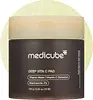 Key Ingredients
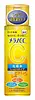
Benefits
Concerns
Ingredients Side-by-side
Hippophae Rhamnoides Water
Masking
Water
Skin ConditioningMethyl Gluceth-20
Humectant
Methylpropanediol
SolventNiacinamide
Smoothing











Glycereth-26
Humectant
Methyl Gluceth-10
EmulsifyingPolyglycerin-3
Humectant
1,2-Hexanediol
Skin Conditioning
Gluconolactone
Skin Conditioning
3-O-Ethyl Ascorbic Acid
Skin Conditioning
Ethylhexylglycerin
Skin ConditioningCymbopogon Martini Oil
Masking
Cymbopogon Nardus Oil
Masking
Adenosine
Skin Conditioning
Butylene Glycol
Humectant
Disodium EDTA
Mentha Viridis Extract
MaskingLactobacillus/Lemon Peel Ferment Extract
Skin ConditioningGeraniol
Perfuming



Citronellol
Perfuming
Coptis Japonica Extract
AntimicrobialCucumis Melo Seed Extract
Skin ConditioningLitsea Cubeba Fruit Oil
Masking
Pelargonium Graveolens Extract
Masking
Allantoin
Skin Conditioning
Dipotassium Glycyrrhizate
Humectant
Panthenol
Skin Conditioning
Sodium Hyaluronate
Humectant
Lactic Acid
Buffering
Glucose
Humectant
Beta-Glucan
Skin Conditioning
Linalool
Perfuming
Hyaluronic Acid
Humectant
Glycerin
Humectant
Caprylic/Capric Triglyceride
Masking
Tocopherol
Antioxidant

Cetyl Palmitate
Emollient
Ubiquinone
Antioxidant
Polysorbate 80
Emulsifying
Sorbitan Stearate
Emulsifying
Sodium Benzoate
Masking
Citric Acid
Buffering
Hydrogenated Lecithin
Emulsifying
Palmitoyl Tripeptide-5
Skin Conditioning
Ergothioneine
Antioxidant
Hesperidin
EmollientPalmitoyl Tetrapeptide-10
Skin Conditioning
Hippophae Rhamnoides Water, Water, Methyl Gluceth-20, Methylpropanediol, Niacinamide, Glycereth-26, Methyl Gluceth-10, Polyglycerin-3, 1,2-Hexanediol, Gluconolactone, 3-O-Ethyl Ascorbic Acid, Ethylhexylglycerin, Cymbopogon Martini Oil, Cymbopogon Nardus Oil, Adenosine, Butylene Glycol, Disodium EDTA, Mentha Viridis Extract, Lactobacillus/Lemon Peel Ferment Extract, Geraniol, Citronellol, Coptis Japonica Extract, Cucumis Melo Seed Extract, Litsea Cubeba Fruit Oil, Pelargonium Graveolens Extract, Allantoin, Dipotassium Glycyrrhizate, Panthenol, Sodium Hyaluronate, Lactic Acid, Glucose, Beta-Glucan, Linalool, Hyaluronic Acid, Glycerin, Caprylic/Capric Triglyceride, Tocopherol, Cetyl Palmitate, Ubiquinone, Polysorbate 80, Sorbitan Stearate, Sodium Benzoate, Citric Acid, Hydrogenated Lecithin, Palmitoyl Tripeptide-5, Ergothioneine, Hesperidin, Palmitoyl Tetrapeptide-10
3-O-Ethyl Ascorbic Acid
Skin Conditioning
Dipotassium Glycyrrhizate
Humectant
Hydrolyzed Grape Fruit Extract
HumectantCitrus Limon Fruit Extract
Masking
Alpinia Katsumadai Seed Extract
Skin Conditioning

3-O-Ethyl Ascorbic Acid, Dipotassium Glycyrrhizate, Hydrolyzed Grape Fruit Extract, Citrus Limon Fruit Extract, Alpinia Katsumadai Seed Extract, Butylene Glycol, Glycerin, Dipropylene Glycol, Polyglyceryl-3 Decyltetradecyl Ether, Sodium Paraben, Sodium Citrate, Citric Acid, Xanthan Gum, EDTA, Parfum
Reviews
Ingredients Explained
These ingredients are found in both products.
Ingredients higher up in an ingredient list are typically present in a larger amount.
You might know this ingredient as Ethyl Ascorbic Acid, a more stable version of ascorbic acid.
Like other types of vitamin C, this ingredient has many benefits including reducing wrinkles, skin soothing, dark spot fading, and fighting against free radicals.
3-O-Ethyl Ascorbic Acid interferes with the process of skin darkening, helping to reduce hyperpigmentation. It also encourages the skin to produce more collagen.
Once applied, 3-O-Ethyl Ascorbic Acid is converted to Vitamin C deeper in the skin's layers. This process is slow but makes this ingredient more tolerable for skin.
The optimum pH range for this ingredient is 4 - 5.5
Learn more about 3-O-Ethyl Ascorbic AcidButylene Glycol (or BG) is used within cosmetic products for a few different reasons:
Overall, Butylene Glycol is a safe and well-rounded ingredient that works well with other ingredients.
Though this ingredient works well with most skin types, some people with sensitive skin may experience a reaction such as allergic rashes, closed comedones, or itchiness.
Learn more about Butylene GlycolCitric Acid is an alpha hydroxy acid (AHA) naturally found in citrus fruits like oranges, lemons, and limes.
Like other AHAs, citric acid can exfoliate skin by breaking down the bonds that hold dead skin cells together. This helps reveal smoother and brighter skin underneath.
However, this exfoliating effect only happens at high concentrations (20%) which can be hard to find in cosmetic products.
Due to this, citric acid is usually included in small amounts as a pH adjuster. This helps keep products slightly more acidic and compatible with skin's natural pH.
In skincare formulas, citric acid can:
While it can provide some skin benefits, research shows lactic acid and glycolic acid are generally more effective and less irritating exfoliants.
Most citric acid used in skincare today is made by fermenting sugars (usually from molasses). This synthetic version is identical to the natural citrus form but easier to stabilize and use in formulations.
Read more about some other popular AHA's here:
Learn more about Citric AcidDipotassium Glycyrrhizate comes from licorice root.
Extracts of licorice have demonstrated to have antibacterial, anti‐inflammatory, antiviral, antioxidant properties.
One component, glabridin, has extra potent antioxidant and soothing properties. It has also been found to block pigmentation from UVB rays in guinea pigs.
Licorice Root also contains a flavonoid. Flavonoids are a natural substance from in plants. Flavonoids also have antioxidant properties.
Another component, glycyrrhizin, has been found to have anti-inflammatory and antimicrobial benefits. This may make licorice root extract effective at treating acne. However, more research is needed to support this.
Liquiritin is one of the flavone compounds found in licorice. It has been found to help lighten skin by preventing tyrosinase from reacting with tyrosine. When the two react, protein is converted to melanin. Melanin is the substance in your body that gives your features pigmentation.
Licorice root is native to Southern Europe and Asia. It has been used in traditional Chinese medicine to help with respiratory issues.
Learn more about Dipotassium GlycyrrhizateGlycerin (or glycerol) is a compound naturally found in your skin. It's a powerhouse humectant that pulls water into the stratum corneum.
Topically, glycerin does several things at once:
Your skin makes glycerin on its own (mostly from sebaceous oil breakdown) and shuttles it to your outermost layer of skin, or your epidermis, via aquaporin-3.
Aquaporin-3 is a transporter that is essential for normal skin hydration, elasticity, and repair. Interestingly, mice lacking in AQP3 have dry and less elastic skin that can be fully corrected with glycerin.
This ingredient is non-irritating, plays well with almost every ingredient, and works across all skin types. Typical use is anywhere between 3-10% but can go up to 79% in some leave-on products.
Just know very high concentrations (>40%) can feel tacky in low humidity.
Glycerin is the name for this ingredient in American English. British English uses Glycerol/Glycerine.
Learn more about Glycerin
