

What's inside
What's inside
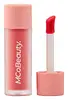 Key Ingredients
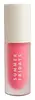
Benefits
Concerns
Ingredients Side-by-side
Hydrogenated Polyisobutene
EmollientIsononyl Isononanoate
EmollientSynthetic Fluorphlogopite
Stearic Acid
Cleansing



Octyldodecanol
Emollient
Paraffinum Liquidum
Emollient

Triethylhexanoin
MaskingTrimethylsiloxysilicate
Emollient
C9-11 Isoparaffin
Solvent
Disteardimonium Hectorite
StabilisingTridecyl Trimellitate
EmollientSilica Dimethyl Silylate
EmollientHydrogenated Styrene/Isoprene Copolymer
Sorbitan Sesquioleate
Emulsifying
1,2-Hexanediol
Skin Conditioning
Isododecane
EmollientPropylene Carbonate
SolventPhenoxyethanol
Preservative
Ethylhexylglycerin
Skin ConditioningAluminum Hydroxide
EmollientTriethoxycaprylylsilane
Tocopheryl Acetate
Antioxidant


Bis-Diglyceryl Polyacyladipate-2
Emollient
CI 77891
Cosmetic ColorantCI 77491
Cosmetic ColorantCI 45410
Cosmetic ColorantCI 15850
Cosmetic ColorantHydrogenated Polyisobutene, Isononyl Isononanoate, Synthetic Fluorphlogopite, Stearic Acid, Octyldodecanol, Paraffinum Liquidum, Triethylhexanoin, Trimethylsiloxysilicate, C9-11 Isoparaffin, Disteardimonium Hectorite, Tridecyl Trimellitate, Silica Dimethyl Silylate, Hydrogenated Styrene/Isoprene Copolymer, Sorbitan Sesquioleate, 1,2-Hexanediol, Isododecane, Propylene Carbonate, Phenoxyethanol, Ethylhexylglycerin, Aluminum Hydroxide, Triethoxycaprylylsilane, Tocopheryl Acetate, Bis-Diglyceryl Polyacyladipate-2, CI 77891, CI 77491, CI 45410, CI 15850
Hydrogenated Polyisobutene
EmollientHydrogenated Poly(C6-14 Olefin)
EmollientOctyldodecanol
Emollient
Ethylene/Propylene/Styrene Copolymer
Ricinus Communis Seed Oil
Masking
Rosa Canina Fruit Oil
Emollient

Butyrospermum Parkii Oil
Emollient
Persea Gratissima Oil
Skin Conditioning

Prunus Armeniaca Kernel Oil
Masking
Simmondsia Chinensis Seed Oil
Emollient
Squalane
Emollient
Vitis Vinifera Seed Oil
Emollient
Rubus Idaeus Seed Oil
Emollient
Cocoyl Hydrolyzed Collagen
Cleansing
Tocopheryl Acetate
Antioxidant
Tocopherol
Antioxidant
Siraitia Grosvenorii Fruit Extract
Skin ConditioningMenthoxypropanediol
Masking
Caprylyl Glycol
Emollient
Butylene/Ethylene/Styrene Copolymer
Pentaerythrityl Tetra-Di-T-Butyl Hydroxyhydrocinnamate
Antioxidant
Iron Oxides
CI 77492
Cosmetic ColorantCI 15850
Cosmetic ColorantCI 77891
Cosmetic ColorantCI 77499
Cosmetic ColorantCI 42090
Cosmetic ColorantHydrogenated Polyisobutene, Hydrogenated Poly(C6-14 Olefin), Octyldodecanol, Ethylene/Propylene/Styrene Copolymer, Ricinus Communis Seed Oil, Rosa Canina Fruit Oil, Butyrospermum Parkii Oil, Persea Gratissima Oil, Prunus Armeniaca Kernel Oil, Simmondsia Chinensis Seed Oil, Squalane, Vitis Vinifera Seed Oil, Rubus Idaeus Seed Oil, Cocoyl Hydrolyzed Collagen, Tocopheryl Acetate, Tocopherol, Siraitia Grosvenorii Fruit Extract, Menthoxypropanediol, Caprylyl Glycol, Butylene/Ethylene/Styrene Copolymer, Pentaerythrityl Tetra-Di-T-Butyl Hydroxyhydrocinnamate, Iron Oxides, CI 77492, CI 15850, CI 77891, CI 77499, CI 42090
Reviews
Ingredients Explained
These ingredients are found in both products.
Ingredients higher up in an ingredient list are typically present in a larger amount.
Ci 15850 is the pigment color red. It is an azo dye and created synthetically.
Azo dyes need to be thoroughly purified before use. This allows them to be more stable and longer-lasting.
This ingredient is common in foundations, lipsticks, and blushes. This color is described as brown/orangey red.
It has many secondary names such as Red 6 and Red 7. According to a manufacturer, Red 6 usually contains aluminum.
Learn more about CI 15850Ci 77891 is a white pigment from Titanium dioxide. It is naturally found in minerals such as rutile and ilmenite.
It's main function is to add a white color to cosmetics. It can also be mixed with other colors to create different shades.
Ci 77891 is commonly found in sunscreens due to its ability to block UV rays.
Learn more about CI 77891Hydrogenated Polyisobutene is a synthetic polymer. Polymers are compounds with high molecular weight. Hydrogenated Polyisobutene is an emollient and texture enhancer.
In one study, Hydrogenated Polyisobutene showed better skin hydration levels than Caprylic/Capric Triglyceride. As an emollient, it helps keep your skin soft and hydrated by trapping moisture in.
Hydrogenated Polyisobutene is often used as a mineral oil replacement.
Learn more about Hydrogenated PolyisobuteneOctyldodecanol is a fatty alcohol sourced from plant oils like coconut or palm (or made synthetically).
It is:
You'll likely see this in many BHA products because this is the go-to solvent for salicylic acid.
This ingredient is typically used at levels between 2-20%.
Regarding fungal acne:
In 2019, this ingredient was tested against multiple Malassezia species (the yeast that causes fungal acne) and showed no growth.
Tocopheryl Acetate is a stable, shelf-friendly form of vitamin E.
Formulators love it because plain vitamin E oxidizes quickly once it hits air. This acetate version stays stable and resists going off, helping to extend a product's shelf life.
It's actually inactive on its own and works like a slow-release "storage" form; the enzymes in your skin called esterases gradually convert it into active vitamin E over time.
One in vivo study showed 5% of the acetate in the living layer of the epidermis converted to vitamin E after 5 days of application. This study also found the skin gained protection against UV damage even though the conversion was slow and small.
Once converted, vitamin E acts as a skin's main fat-soluble antioxidant that fights free radicals to protect skin from damage.
Topical vitamin E generally boosts the skin's photoprotection, and it reduced UV-damage in animal models.
This ingredient has some brightening potential but it's more of a prevention ingredient than spot-fader. Cell studies show it can slow down melanin production but it's worth noting that it's not the most powerful brightener out there.
Overall, it has a pretty solid safety profile and has been found to be non-irritating and non-comedogenic. Allergic reactions may happen but stay rare due to how widely the ingredient gets used.
The concentration will vary depending on the formula; industry data shows 0.1% in baby lotions, 3% in lipsticks, and 5% in foot powders. You can also find this ingredient at 100% in a pure vitamin E oil.
Most leave-on skincare keeps it at the lower end, often between 0.5-1%.
Learn more about Tocopheryl Acetate

