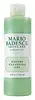
This mild gel cleanser is mild enough to cleanse without leaving skin feeling tight or stripped.
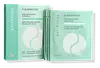
This hydrating eye mask is formulated around Caffeine and Galactomyces Ferment Filtrate to hydrate skin and soften the look of wrinkles.


What's inside
What's inside
 Key Ingredients
No key ingredients
Benefits
Concerns
Ingredients Side-by-side
Water
Skin ConditioningGlycerin
Humectant


Propylene Glycol
Humectant

PEG-8 Stearate
Emulsifying

PPG-2 Hydroxyethyl Cocamide
Emulsifying
Carica Papaya Fruit Extract
Skin ConditioningCitrus Grandis Fruit Extract
Astringent
Carbomer
Emulsion StabilisingSodium Chloride
MaskingParfum
Masking

Phenoxyethanol
Preservative
Methylparaben
Preservative

Propylparaben
Preservative
Triethanolamine
BufferingDiazolidinyl Urea
Preservative
Mica
Cosmetic ColorantCI 77891
Cosmetic ColorantCI 19140
Cosmetic ColorantCI 42090
Cosmetic ColorantCI 15985
Cosmetic ColorantWater, Glycerin, Propylene Glycol, PEG-8 Stearate, PPG-2 Hydroxyethyl Cocamide, Carica Papaya Fruit Extract, Citrus Grandis Fruit Extract, Carbomer, Sodium Chloride, Parfum, Phenoxyethanol, Methylparaben, Propylparaben, Triethanolamine, Diazolidinyl Urea, Mica, CI 77891, CI 19140, CI 42090, CI 15985
Water
Skin ConditioningGlycerin
Humectant
Butylene Glycol
Humectant
Ceratonia Siliqua Gum
EmollientTrehalose
Humectant
Inositol
Humectant
Taurine
BufferingBetaine
Humectant
Caffeine
Skin Conditioning
Chondrus Crispus Powder
Abrasive
Galactomyces Ferment Filtrate
Humectant

Aureobasidium Pullulans Ferment
Skin ConditioningRicinus Communis Seed Oil
Masking
Hydrolyzed Collagen
Emollient
Allantoin
Skin Conditioning
Lavandula Angustifolia Flower Extract
Cleansing
Monarda Didyma Leaf Extract
Skin ConditioningMentha Piperita Leaf Extract
Skin ConditioningFreesia Alba Flower Extract
Skin ConditioningRosmarinus Officinalis Leaf Extract
AntimicrobialChamomilla Recutita Flower Extract
Masking
PEG-60 Hydrogenated Castor Oil
Emulsifying
Centella Asiatica Extract
Cleansing
Mica
Cosmetic ColorantTitanium Dioxide
Cosmetic Colorant
Snail Secretion Filtrate
Skin Conditioning
Sodium Hyaluronate
Humectant
Acetyl Glucosamine
Skin Conditioning
Cyamopsis Tetragonoloba Gum
Emulsion StabilisingPortulaca Pilosa Extract
Skin ConditioningPortulaca Oleracea Extract
Skin Conditioning
Methylparaben
Preservative
Chlorphenesin
Antimicrobial
Phenoxyethanol
Preservative
Calcium Chloride
AstringentUltramarines
Adenosine
Skin Conditioning
Disodium EDTA
ChelatingPotassium Sorbate
Preservative
Parfum
Masking
Water, Glycerin, Butylene Glycol, Ceratonia Siliqua Gum, Trehalose, Inositol, Taurine, Betaine, Caffeine, Chondrus Crispus Powder, Galactomyces Ferment Filtrate, Aureobasidium Pullulans Ferment, Ricinus Communis Seed Oil, Hydrolyzed Collagen, Allantoin, Lavandula Angustifolia Flower Extract, Monarda Didyma Leaf Extract, Mentha Piperita Leaf Extract, Freesia Alba Flower Extract, Rosmarinus Officinalis Leaf Extract, Chamomilla Recutita Flower Extract, PEG-60 Hydrogenated Castor Oil, Centella Asiatica Extract, Mica, Titanium Dioxide, Snail Secretion Filtrate, Sodium Hyaluronate, Acetyl Glucosamine, Cyamopsis Tetragonoloba Gum, Portulaca Pilosa Extract, Portulaca Oleracea Extract, Methylparaben, Chlorphenesin, Phenoxyethanol, Calcium Chloride, Ultramarines, Adenosine, Disodium EDTA, Potassium Sorbate, Parfum
Ingredients Explained
These ingredients are found in both products.
Ingredients higher up in an ingredient list are typically present in a larger amount.
Glycerin (or glycerol) is a compound naturally found in your skin. It's a powerhouse humectant that pulls water into the stratum corneum.
Topically, glycerin does several things at once:
Your skin makes glycerin on its own (mostly from sebaceous oil breakdown) and shuttles it to your outermost layer of skin, or your epidermis, via aquaporin-3.
Aquaporin-3 is a transporter that is essential for normal skin hydration, elasticity, and repair. Interestingly, mice lacking in AQP3 have dry and less elastic skin that can be fully corrected with glycerin.
This ingredient is non-irritating, plays well with almost every ingredient, and works across all skin types. Typical use is anywhere between 3-10% but can go up to 79% in some leave-on products.
Just know very high concentrations (>40%) can feel tacky in low humidity.
Glycerin is the name for this ingredient in American English. British English uses Glycerol/Glycerine.
Learn more about GlycerinMethylparaben is a synthetic preservative and one of the most widely used in the world. It has a simple, but important job: prevent your products from going bad by stopping bacteria, yeast, and mold from growing.
Typical use levels are low, often 0.1-0.3%.
This is also one of the most heavily studied preservatives out there and major regulatory bodies have repeatedly given it the green light.
In 2023, the EU's Scientific Committee on Consumer Safety (SCCS) confirmed that this ingredient is safe up to 0.4% on its own, of up to 0.8% when mixed with other paraben esters.
Here's the science behind the noise behind parabens/hormones as well:
Methylparaben shows very weak estrogen-like activity in vitro tests (more than 1,000x weaker than your body's own estradiol). In vivo (live-organism) studies don't support a meaningful endocrine-disrupting effect either.
You get a stronger estrogenic effect from eating tofu, actually.
It's also a low sensitizer and allergic reactions are uncommon; they usually happen on damage or broken skin.
There is a caveat: France has proposed to formally re-examine its endocrine classification in 2025 so the regulatory conversation isn't fully closed as of yet.
But as it stands today, this ingredient is considered safe at permitted levels.
Learn more about MethylparabenMica is a naturally occurring mineral used to add shimmer and color in cosmetics. It can also help improve the texture of a product or give it an opaque, white/silver color.
Serecite is the name for very fine but ragged grains of mica.
This ingredient is often coated with metal oxides like titanium dioxide. Trace amounts of heavy metals may be found in mica, but these metals are not harmful in our personal products.
Mica has been used since prehistoric times throughout the world. Ancient Egyptian, Indian, Greek, Roman, Aztec, and Chinese civilizations have used mica.
Learn more about MicaParfum is a catch-all term for an ingredient or more that is used to give a scent to products.
Also called "fragrance", this ingredient can be a blend of hundreds of chemicals or plant oils. This means every product with "fragrance" or "parfum" in the ingredients list is a different mixture.
For instance, Habanolide is a proprietary trade name for a specific aroma chemical. When used as a fragrance ingredient in cosmetics, most aroma chemicals fall under the broad labeling category of “FRAGRANCE” or “PARFUM” according to EU and US regulations.
The term 'parfum' or 'fragrance' is not regulated in many countries. In many cases, it is up to the brand to define this term.
For instance, many brands choose to label themselves as "fragrance-free" because they are not using synthetic fragrances. However, their products may still contain ingredients such as essential oils that are considered a fragrance by INCI standards.
One example is Calendula flower extract. Calendula is an essential oil that still imparts a scent or 'fragrance'.
Depending on the blend, the ingredients in the mixture can cause allergies and sensitivities on the skin. Some ingredients that are known EU allergens include linalool and citronellol.
Parfum can also be used to mask or cover an unpleasant scent.
The bottom line is: not all fragrances/parfum/ingredients are created equally. If you are worried about fragrances, we recommend taking a closer look at an ingredient. And of course, we always recommend speaking with a professional.
Learn more about ParfumPhenoxyethanol is one of the most widely used preservatives in skincare (and for good reason!).
It has a large spectrum of antimicrobial activity and especially effective bacteria, yeast, and mold while only having a weak effect on your skin's natural microbiome.
On a cellular level, it disrupts the cell membranes of microbes by poking holes that make the cell leak. This shuts down the chemical reactions the microbe needs to make energy so it can no longer survive.
Another perk of this ingredient is that it stays functional across a wide pH range (3-10).
You'll often see it paired with boosters like Ethylhexylglycerin; one study showed that a 1:9 ratio of Ethylhexylglycerin to Phenoxyethanol damages bacterial membranes as effectively as doubling the Phenoxyethanol concentration on its own.
Typical use concentrations range from 0.3-1% depending on the formula, and this ingredient is capped at 1% int the EU.
Safety-wise, the fear mongering does not hold up to the evidence. The EU's Scientific Committee on Consumer Safety and FDA consider it safe as a preservative at up to 1%, including for children of all ages.
Adverse systemic effects only showed up in animal studies at exposures roughly 200x higher than what people get from cosmetics. And despite its very widespread use, this ingredient is a rare sensitizer and allergic reactions are uncommon.
Learn more about PhenoxyethanolWater. It's the most common cosmetic ingredient of all. You'll usually see it at the top of ingredient lists, meaning that it makes up the largest part of the product.
So why is it so popular? Water most often acts as a solvent - this means that it helps dissolve other ingredients into the formulation.
You'll also recognize water as that liquid we all need to stay alive. If you see this, drink a glass of water. Remember to stay hydrated!
Learn more about Water

