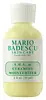
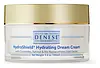
Mario Badescu A.H.A. & Ceramide Moisturizer Versus Dr. Denese SkinScience Hydroshield® Hydrating Dream Cream
This barrier-repair moisturizer is formulated around Squalane and Aloe Barbadensis Leaf Extract to strengthen the skin barrier and hydrate skin.
This anti-aging moisturizer is formulated around Retinol and Ceramide Ns to soften the look of wrinkles and hydrate skin.

What's inside
What's inside
 Key Ingredients
No key ingredients
Benefits
Concerns
Ingredients Side-by-side
Water
Skin ConditioningPropylene Glycol
Humectant


Glycerin
Humectant

Cyclopentasiloxane
Emollient
Squalane
Emollient
Glyceryl Stearate
Emollient
Isopropyl Myristate
Emollient


Dimethicone
Emollient
Aloe Barbadensis Leaf Extract
Emollient

Paraffinum Liquidum
Emollient
Aloe Barbadensis Leaf Juice
Skin Conditioning
Cymbopogon Schoenanthus Leaf Extract
Skin ConditioningCitrus Limon Fruit Extract
Masking
Glycolipids
Skin ConditioningStearic Acid
Cleansing
Myristyl Lactate
Emollient
Cetearyl Alcohol
Emollient

Dimethiconol
Emollient
Ethylhexyl Cocoate
Emollient
Cetyl Alcohol
Emollient
Ceteareth-20
Cleansing
Myristyl Alcohol
Emollient
Glyceryl Acrylate/Acrylic Acid Copolymer
HumectantCaprylyl Glycol
Emollient
Lecithin
Emollient
Phenyl Trimethicone
Skin Conditioning
Phenoxyethanol
Preservative
Sodium Chloride
MaskingTriethanolamine
BufferingMethylparaben
Preservative

Propylparaben
Preservative
Diazolidinyl Urea
Preservative
CI 19140
Cosmetic ColorantCI 15985
Cosmetic ColorantWater, Propylene Glycol, Glycerin, Cyclopentasiloxane, Squalane, Glyceryl Stearate, Isopropyl Myristate, Dimethicone, Aloe Barbadensis Leaf Extract, Paraffinum Liquidum, Aloe Barbadensis Leaf Juice, Cymbopogon Schoenanthus Leaf Extract, Citrus Limon Fruit Extract, Glycolipids, Stearic Acid, Myristyl Lactate, Cetearyl Alcohol, Dimethiconol, Ethylhexyl Cocoate, Cetyl Alcohol, Ceteareth-20, Myristyl Alcohol, Glyceryl Acrylate/Acrylic Acid Copolymer, Caprylyl Glycol, Lecithin, Phenyl Trimethicone, Phenoxyethanol, Sodium Chloride, Triethanolamine, Methylparaben, Propylparaben, Diazolidinyl Urea, CI 19140, CI 15985
Water
Skin ConditioningHydrogenated Polyisobutene
EmollientCyclopentasiloxane
Emollient
Cetearyl Alcohol
Emollient
Glyceryl Stearate
Emollient
Glycerin
Humectant
Dimethiconol
Emollient
Retinol
Skin Conditioning






Ceramide Ns
Skin Conditioning
Palmitoyl Oligopeptide
Cleansing
Oryza Sativa Extract
Absorbent
Hexapeptide-9
Skin Conditioning
Dipeptide-4
Skin Conditioning
Glycolipids
Skin ConditioningGlycine Soja Oil
Emollient
Lecithin
Emollient
Ethylhexyl Cocoate
Emollient
C12-15 Alkyl Benzoate
AntimicrobialTribehenin
Emollient
Dimethicone
Emollient
Ceteareth-20
Cleansing
Laureth-7
EmulsifyingParfum
Masking

Polyacrylamide
C13-14 Isoparaffin
Emollient
CI 16035
Cosmetic ColorantCI 19140
Cosmetic ColorantTriethanolamine
BufferingDisodium EDTA
ChelatingPhenoxyethanol
Preservative
Ethylhexylglycerin
Skin ConditioningWater, Hydrogenated Polyisobutene, Cyclopentasiloxane, Cetearyl Alcohol, Glyceryl Stearate, Glycerin, Dimethiconol, Retinol, Ceramide Ns, Palmitoyl Oligopeptide, Oryza Sativa Extract, Hexapeptide-9, Dipeptide-4, Glycolipids, Glycine Soja Oil, Lecithin, Ethylhexyl Cocoate, C12-15 Alkyl Benzoate, Tribehenin, Dimethicone, Ceteareth-20, Laureth-7, Parfum, Polyacrylamide, C13-14 Isoparaffin, CI 16035, CI 19140, Triethanolamine, Disodium EDTA, Phenoxyethanol, Ethylhexylglycerin
Ingredients Explained
These ingredients are found in both products.
Ingredients higher up in an ingredient list are typically present in a larger amount.
Ceteareth-20 is an emulsifier and surfactant made by reacting cetearyl alcohol with 20 moles of ethylene oxide.
This gives it both oil and water-loving properties that makes it an effect emulsifier; it's really great at pulling oil droplets into water to create a stable, creamy, and easy-to-spread base.
Typical use ranges from 0.5-30%. Most leave-on products are in the 1-10% zone.
The 20 ethylene oxide units is well above the PEG-10 threshold and therefore not a food source for Malassezia (it's fungal acne safe).
This ingredient has a comedogenic rating of 2 and an irritancy rating of 3. These numbers come from testing the raw ingredient on rabbit ears and doesn't reflect how it will behave in a finished product.
In practice, this ingredient is a well-tolerated ingredient. The ratings reflect cautious lab conditions and not real-world use. Just be sure to patch test any formulas you feel unsure about.
Learn more about Ceteareth-20Cetearyl alcohol is a waxy mixture of two fatty alcohols: cetyl alcohol and stearyl alcohol. It is an emollient and emulsifier.
Despite having "alcohol" in its name, it has nothing to do with drying solvent alcohols; the FDA also allows "alcohol-free" products to contain fatty alcohols like this ingredient.
It plays several roles in a formula:
Typical use levels for this ingredient sit around 1-10% and the Cosmetic Ingredient Review Expert Panel has affirmed safety at concentrations up to 25% in leave-on products.
Multiple assessments have found it to be non-irritating and non-sensitizing to most people.
However, there have been some cases of allergic contact dermatitis in patients with chronically compromised skin barriers.
Cetearyl alcohol has a comedogenic rating of 2 and irritancy rating of 1. Both of these numbers come from the 1989 study that used rabbit ears; a "2" means mildly comedogenic and a "1" means low irritancy.
Here's the catch: rabbit skin is more sensitive than human skin and throws a lot of false positives. A 1996 reappraisal found that ingredients rated 1-2 in the rabbit ear tests are generally safe for humans.
Remember comedogenic ratings are unable to assess the entire formula of a product or how it will react on your skin. Just be sure to patch test if you are unsure about certain ingredients.
This ingredient is not fungal acne safe. Cetearyl alcohol is a fatty alcohol with chain lengths that fall within the range that Malassezia can metabolize.
A 2019 study has also observed Malassezia growth in the presence of this ingredient, confirming it to be not-fungal acne safe.
Learn more about Cetearyl AlcoholCI 19140 is also known as Tartrazine. Tartrazine is a synthetic dye used in cosmetics, foods, and medicine to add a yellow color.
Tartrazine is created from petroleum and is water-soluble.
Some people may experience allergies from this dye, especially asthmatics and those with an aspirin intolerance.
Learn more about CI 19140Cyclopentasiloxane (D5) is a lightweight silicone that mostly acts as an emollient and solvent in cosmetics. Its the reason your products feel silky, fast-spreading, and non-greasy.
Since D5 is volatile, it does its thing and then evaporates off the skin quickly.
The safety profile of this ingredient is reassuring; the US CIR Expert Panel concluded D5 is safe as used in cosmetics and Health Canada concluded that D5 is not harmful to human health or the environment as currently used in cosmetics
There's a study that people mention about D5 in a rat study showing tumors. This study is related to long-term inhalation of high D5 levels.
Regulatory bodies have judged this study to be not applicable in topical skincare since skin absorption of D5 is very low and we're not really inhaling huge amounts of D5.
The only restriction for this ingredient is environmental. The European Chemicals Agency (ECHA) restricted D5 in wash-off cosmetics at or above 0.1% due to their persistence in water.
Learn more about CyclopentasiloxaneDimethicone is a type of synthetic silicone created from natural materials such as quartz. It is also known as polydimethylsiloxane.
What it does:
Dimethicone comes in different viscosities:
Depending on the viscosity, dimethicone has different properties.
Ingredients lists don't always show which type is used, so we recommend reaching out to the brand if you have questions about the viscosity.
This ingredient is unlikely to cause irritation because it does not get absorbed into skin. However, people with silicone allergies should be careful about using this ingredient.
Note: Dimethicone may contribute to pilling. This is because it is not oil or water soluble, so pilling may occur when layered with products. When mixed with heavy oils in a formula, the outcome is also quite greasy.
Learn more about DimethiconeDimethiconol is a silicone that resembles the popular dimethicone. Like other silicones, it is an emollient. Emollients create a thin film on skin to prevent moisture from escaping.
This ingredient helps to create a silky texture and improve spreadability. Due to its high molecular weight and thickness, it is often combined with cyclopentasiloxane.
Ethylhexyl Cocoate is created from 2-ethylhexanol and Coconut Acid. Coconut Acid is created from the fatty acids derived from Coconut Oil.
As an emollient, Ethylhexyl Cocoate helps soften and hydrate your skin. Emollients create a thin film on top of skin that traps moisture in.
Glycerin (or glycerol) is a compound naturally found in your skin. It's a powerhouse humectant that pulls water into the stratum corneum.
Topically, glycerin does several things at once:
Your skin makes glycerin on its own (mostly from sebaceous oil breakdown) and shuttles it to your outermost layer of skin, or your epidermis, via aquaporin-3.
Aquaporin-3 is a transporter that is essential for normal skin hydration, elasticity, and repair. Interestingly, mice lacking in AQP3 have dry and less elastic skin that can be fully corrected with glycerin.
This ingredient is non-irritating, plays well with almost every ingredient, and works across all skin types. Typical use is anywhere between 3-10% but can go up to 79% in some leave-on products.
Just know very high concentrations (>40%) can feel tacky in low humidity.
Glycerin is the name for this ingredient in American English. British English uses Glycerol/Glycerine.
Learn more about GlycerinGlyceryl Stearate is made by reacting glycerin with stearic acid (typically sourced from plant oils like palm or coconut). It's an emulsifier, emollient, and mild occlusive.
Emulsifiers help ingredients like oil and water stay mixed so your formula stays nicely blended and uniform in texture.
This ingredient is typically used in concentrations between 1-10%. Studies have found it to be non-sensitizing, non-phototoxic, and non-photoallergenic.
A close cousin of this ingredient is Glyceryl Stearate SE ("self-emulsifying"). This just has a small amount of sodium or potassium stearate added so it can emulsify without a co-emulsifier.
Since this ingredient is an ester of a C18 fatty acid, it may not be fungal acne safe. The Malassezia yeast can potentially metabolize within the C11-C24 range.
Fun fact: The human body also creates Glyceryl Stearate naturally.
Learn more about Glyceryl StearateGlycolipids are natural, sustainable biosurfactants. They are both surfactants (cleansing agents) and emollients.
Made from lipids and sugars, in-vitro studies show glycolipids are a gentle alternative to conventional surfactants. They also possess foaming properties to give cleaning products a nice texture.
One manufacturer study found their glycolipid also demonstrated sebum reduction and helped reduced oiliness after four weeks. This means it can also be great for scalp care.
Learn more about GlycolipidsLecithin is a term for a group of substances found in the cell membranes of plants, animals, and humans. They are made up of phospholipids.
Thanks to its amphiphilic structure (water-loving head and oil-loving tail), it is a true multitasker:
It plays well with most ingredients and is typically used at 0.1-1%. However, concentrations up to 50% have been reported in moisturizers.
Learn more about LecithinPhenoxyethanol is one of the most widely used preservatives in skincare (and for good reason!).
It has a large spectrum of antimicrobial activity and especially effective bacteria, yeast, and mold while only having a weak effect on your skin's natural microbiome.
On a cellular level, it disrupts the cell membranes of microbes by poking holes that make the cell leak. This shuts down the chemical reactions the microbe needs to make energy so it can no longer survive.
Another perk of this ingredient is that it stays functional across a wide pH range (3-10).
You'll often see it paired with boosters like Ethylhexylglycerin; one study showed that a 1:9 ratio of Ethylhexylglycerin to Phenoxyethanol damages bacterial membranes as effectively as doubling the Phenoxyethanol concentration on its own.
Typical use concentrations range from 0.3-1% depending on the formula, and this ingredient is capped at 1% int the EU.
Safety-wise, the fear mongering does not hold up to the evidence. The EU's Scientific Committee on Consumer Safety and FDA consider it safe as a preservative at up to 1%, including for children of all ages.
Adverse systemic effects only showed up in animal studies at exposures roughly 200x higher than what people get from cosmetics. And despite its very widespread use, this ingredient is a rare sensitizer and allergic reactions are uncommon.
Learn more about PhenoxyethanolTriethanolamine (TEA) is an emulsifier and pH adjuster. It is created using ethylene oxide and ammonia. This gives Triethanolamine a nitrogen core and a similar scent to ammonia.
As an emulsifier, it prevents ingredients from separating and enhances texture by adding volume to a product.
PH adjusters are common in cosmetic products. The pH of a product can affect the effectiveness of other ingredients. A product with a high pH may also irritate the skin.
If you are looking for the tea leaf ingredient, click here.
Learn more about TriethanolamineWater. It's the most common cosmetic ingredient of all. You'll usually see it at the top of ingredient lists, meaning that it makes up the largest part of the product.
So why is it so popular? Water most often acts as a solvent - this means that it helps dissolve other ingredients into the formulation.
You'll also recognize water as that liquid we all need to stay alive. If you see this, drink a glass of water. Remember to stay hydrated!
Learn more about Water

