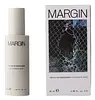
This smoothing moisturizer is formulated around Glycolic Acid and Bakuchiol to refine skin texture and soften the look of wrinkles.
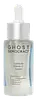
This brightening serum is formulated around Tetrahexyldecyl Ascorbate and Bakuchiol to brighten dull-looking skin and soften the look of wrinkles.


What's inside
What's inside
 Key Ingredients
Benefits
Concerns
Ingredients Side-by-side
Water
Skin ConditioningGlycerin
Humectant


Cetearyl Olivate


Triheptanoin
Skin ConditioningSorbitan Olivate
Emulsifying
Cetyl Alcohol
Emollient

Glycolic Acid
Buffering









Bakuchiol
Antimicrobial



Caffeine
Skin Conditioning
Salicylic Acid
Masking



Sodium Hyaluronate
Humectant
Tetrahexyldecyl Ascorbate
Antioxidant
Niacinamide
Smoothing
Cucumis Sativus Fruit Extract
Emollient
Chamomilla Recutita Flower Extract
Masking
Evodia Rutaecarpa Fruit Extract
Skin ConditioningLeucojum Aestivum Bulb Extract
Skin ProtectingPropanediol
Solvent
Capryloyl Glycerin/Sebacic Acid Copolymer
Skin ConditioningDiheptyl Succinate
EmollientHydroxyethyl Acrylate/Sodium Acryloyldimethyl Taurate Copolymer
Emulsion StabilisingEthylhexylglycerin
Skin ConditioningHexylene Glycol
EmulsifyingSilica
Abrasive
Amylopectin
Polydextrose
HumectantSodium Hydroxide
BufferingDextrin
AbsorbentSclerotium Gum
Emulsion StabilisingCaprylyl Glycol
Emollient
Phenoxyethanol
Preservative
Sorbitan Isostearate
Emulsifying
Polysorbate 60
Emulsifying
Sodium Carbonate
BufferingSodium Chloride
MaskingWater, Glycerin, Cetearyl Olivate, Triheptanoin, Sorbitan Olivate, Cetyl Alcohol, Glycolic Acid, Bakuchiol, Caffeine, Salicylic Acid, Sodium Hyaluronate, Tetrahexyldecyl Ascorbate, Niacinamide, Cucumis Sativus Fruit Extract, Chamomilla Recutita Flower Extract, Evodia Rutaecarpa Fruit Extract, Leucojum Aestivum Bulb Extract, Propanediol, Capryloyl Glycerin/Sebacic Acid Copolymer, Diheptyl Succinate, Hydroxyethyl Acrylate/Sodium Acryloyldimethyl Taurate Copolymer, Ethylhexylglycerin, Hexylene Glycol, Silica, Amylopectin, Polydextrose, Sodium Hydroxide, Dextrin, Sclerotium Gum, Caprylyl Glycol, Phenoxyethanol, Sorbitan Isostearate, Polysorbate 60, Sodium Carbonate, Sodium Chloride



Ingredients Explained
These ingredients are found in both products.
Ingredients higher up in an ingredient list are typically present in a larger amount.
Bakuchiol is a plant-derived antioxidant from the seeds of the Psoralea corylifolia plant. It has antimicrobial, emollient, skin conditioning, and antioxidant properties.
You'll likely see it called a "retinol replacement" but the two are technically not related. This is because bakuchiol is able to flip many of the same switches in your skin cells to tell them to:
1) produce more collagen (type I, III, and IV)
2) activate the same genes retinoids do
Unlike retinoids, this ingredient will not increase photosensitivity and is safe to use during pregnancy (but please still check in with your doctor!).
The flagship clinical trial from Dhaliwal et al. 2019 found 0.5% bakuchiol (twice daily) and 0.5% retinol (once daily) reduced wrinkles and hyperpigmentation equally, but bakuchiol had significantly less irritation.
Systematic reviews also back this up:
Bakuchiol is comparable to retinol for photoaging but with better tolerability. It also has mild antibacterial properties against Cutibacterium acnes and antifungal activity in vitro against Candida and dermatophytes.
The reason bakuchiol works well is due to its structure; it is a meroterpene phenol, or a hybrid molecule. The phenol half acts as an antioxidant while the terpene half is fat-loving. This helps the molecule slip through the skin barrier.
This ingredient is usually used between 0.5-2%. Only one case of contact dermatitis has ever been reported for this ingredient.
Learn more about BakuchiolTetrahexyldecyl Ascorbate (THD) is a stable and oil-soluble form of Vitamin C.
THD is special in that it has the ability to travel deeper into skin than traditional ascorbic acid while maintaining the same skin benefits (double win!).
Because it’s oil-soluble, THD dives deep into your skin’s fatty layers (think ceramides and cholesterol) to fight off the kind of free radicals that mess with your skin barrier. This makes it a great pair with water-based vitamin C (ascorbic acid) that mainly works on the surface.
Even at just 0.1%, THD is already showing great antioxidant activity. When used up to 2%, it helps keep your skin happy and calm, especially when it’s stressed from pollution or sun.
Want to fade dark spots or tackle hyperpigmentation? You’ll want 5% or more. Pairing it with brightening buddies like niacinamide or licorice root gives even better results. One study even used 30% THD with other brighteners and saw real results on stubborn discoloration, even in melasma-prone skin.
A note on THD: It’s has a slightly silky, oily texture and usually shows up colorless or pale yellow (though the exact shade can vary by supplier).
While you can sneak it into water-based formulas, it really shines when paired with silicones or oils, which help your skin soak it up better.
THD is pretty stable, but it’s still vulnerable to degradation like ascorbic acid. Too much light or heat (above 113°F / 45°C) can break it down over time. Go for dark and opaque packaging that keeps it safe and shady!
Read more about other types of Vitamin C:
Learn more about Tetrahexyldecyl Ascorbate

