
What's inside
What's inside
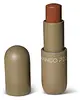 Key Ingredients
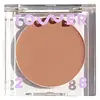
No key ingredients
Benefits
Concerns
Ingredients Side-by-side
Euphorbia Cerifera Cera
Astringent

Olea Europaea Fruit Oil
Masking




Mangifera Indica Seed Butter
Skin Conditioning
Sesamum Indicum Seed Oil
Emollient
Withania Somnifera Root Extract
Skin Conditioning
Tar Oil
Masking
Persea Gratissima Oil
Skin Conditioning
Prunus Avium Fruit
Skin ConditioningDaucus Carota Sativa Root Extract
Skin Conditioning
Raphanus Sativus Seed Extract
Skin ConditioningRibes Nigrum
EmollientMaltodextrin
Absorbent
Citric Acid
Buffering

Sucrose
Humectant
Citrus Paradisi Peel Oil
Masking


Punica Granatum Seed Oil
Emollient
Citrus Aurantium Dulcis Peel Oil
Masking
Rosmarinus Officinalis Leaf
Skin ConditioningCI 77491
Cosmetic ColorantCI 77492
Cosmetic ColorantCI 77891
Cosmetic ColorantEuphorbia Cerifera Cera, Olea Europaea Fruit Oil, Mangifera Indica Seed Butter, Sesamum Indicum Seed Oil, Withania Somnifera Root Extract, Tar Oil, Persea Gratissima Oil, Prunus Avium Fruit, Daucus Carota Sativa Root Extract, Raphanus Sativus Seed Extract, Ribes Nigrum, Maltodextrin, Citric Acid, Sucrose, Citrus Paradisi Peel Oil, Punica Granatum Seed Oil, Citrus Aurantium Dulcis Peel Oil, Rosmarinus Officinalis Leaf, CI 77491, CI 77492, CI 77891
Hydrogenated Polybutene
Polyhydroxystearic Acid
Emulsifying
Ricinus Communis Seed Oil
Masking
Helianthus Annuus Seed Wax
Skin Conditioning
Diisostearyl Malate
EmollientTriisostearyl Citrate
EmollientCera Microcristallina
Emulsion StabilisingSilica
Abrasive


Zea Mays Starch
Absorbent
Jojoba Esters
Emollient
Butyrospermum Parkii Butter
Skin Conditioning

Oryza Sativa Bran Extract
Skin Conditioning
Mica
Cosmetic ColorantMangifera Indica Seed Butter
Skin Conditioning
Prunus Avium Seed Oil
Emollient
Rosa Canina Seed Oil
Emollient
Caprylyl Glycol
Emollient
Ethylhexylglycerin
Skin ConditioningCarthamus Tinctorius Seed Oil
Masking
Helianthus Annuus Extract
Emollient
Acacia Decurrens Flower Wax
Emollient
Polyglycerin-3
Humectant
Rosmarinus Officinalis Leaf Extract
AntimicrobialTocopherol
Antioxidant




Camellia Sinensis Leaf Extract
Antimicrobial
Chamomilla Recutita Flower Extract
Masking
Tocopheryl Acetate
Antioxidant
CI 77891
Cosmetic ColorantIron Oxides
Hydrogenated Polybutene, Polyhydroxystearic Acid, Ricinus Communis Seed Oil, Helianthus Annuus Seed Wax, Diisostearyl Malate, Triisostearyl Citrate, Cera Microcristallina, Silica, Zea Mays Starch, Jojoba Esters, Butyrospermum Parkii Butter, Oryza Sativa Bran Extract, Mica, Mangifera Indica Seed Butter, Prunus Avium Seed Oil, Rosa Canina Seed Oil, Caprylyl Glycol, Ethylhexylglycerin, Carthamus Tinctorius Seed Oil, Helianthus Annuus Extract, Acacia Decurrens Flower Wax, Polyglycerin-3, Rosmarinus Officinalis Leaf Extract, Tocopherol, Camellia Sinensis Leaf Extract, Chamomilla Recutita Flower Extract, Tocopheryl Acetate, CI 77891, Iron Oxides
Alternatives
Ingredients Explained
These ingredients are found in both products.
Ingredients higher up in an ingredient list are typically present in a larger amount.
Ci 77891 is a white pigment from Titanium dioxide. It is naturally found in minerals such as rutile and ilmenite.
It's main function is to add a white color to cosmetics. It can also be mixed with other colors to create different shades.
Ci 77891 is commonly found in sunscreens due to its ability to block UV rays.
Learn more about CI 77891Though this ingredient might sound like a juicy fruit extract, it's actually the fat pressed from the mango seed kernel (or the pit).
In skincare, it behaves more like shea butter and cocoa butter than like a plant active.
The fatty acid makeup of mango seed butter makes it special; it's typically rich in stearic acid and oleic acid, with small amounts of palmitic and linoleic acid.
This combo helps it melt on skin, feel creamy, and leave behind a protective "seal" that slows down water loss.
It also contains a small amount of "extras" like tocopherols (vitamin E) and phytosterols, which are often used to support skin soothing.
Due to its fatty acid content (like oleic acid), this ingredient may not be fungal acne safe. In vitro studies have shown that Oleic Acid is one of the fatty acids that induce rapid Malassezia growth in lab settings.
Learn more about Mangifera Indica Seed Butter

