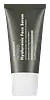
This hydrating serum is formulated around Arginine and Sodium Hyaluronate to hydrate skin and strengthen the skin barrier.
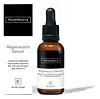
This brightening serum is formulated around Retinyl Palmitate and Sodium Ascorbyl Phosphate to brighten dull-looking skin.

What's inside
What's inside
 Key Ingredients
Benefits
Concerns
Ingredients Side-by-side
Water
Skin ConditioningBetaine
Humectant


Carbomer
Emulsion StabilisingPhenoxyethanol
Preservative
Polyglyceryl-4 Caprate
EmulsifyingPolyglyceryl-6 Caprylate
EmulsifyingGlycogen
HumectantTocopherol
Antioxidant





Sodium Hydroxide
BufferingParfum
Masking




Benzoic Acid
Masking
Arginine
Masking
Caffeine
Skin Conditioning
Dehydroacetic Acid
Preservative
Chondrus Crispus Extract
Skin Conditioning
Echinacea Purpurea Extract
MoisturisingLinalool
Perfuming
Bulnesia Sarmientoi Wood Oil
Masking
Sodium Hyaluronate
Humectant
Benzyl Salicylate
Perfuming
Hexyl Cinnamal
Perfuming
Abies Sibirica Oil
Masking
Artemisia Herba-Alba Oil
Masking
Cedrus Atlantica Bark Oil
Masking
Citrus Aurantifolia Oil
Cleansing
Eucalyptus Globulus Leaf Oil
Perfuming
Lavandula Hybrida Oil
Emollient
Origanum Majorana Herb Oil
Perfuming
Rosmarinus Officinalis Leaf Oil
Masking
Coumarin
Perfuming
Gluconolactone
Chelating




Limonene
Perfuming
Alpha-Isomethyl Ionone
Perfuming
Abies Balsamea Extract
Perfuming
Juniperus Communis Fruit Oil
Masking
Piper Nigrum Fruit Oil
Masking
Sodium Benzoate
Masking
Thymus Vulgaris Flower/Leaf Oil
Masking
Ethylhexylglycerin
Skin ConditioningWater, Betaine, Carbomer, Phenoxyethanol, Polyglyceryl-4 Caprate, Polyglyceryl-6 Caprylate, Glycogen, Tocopherol, Sodium Hydroxide, Parfum, Benzoic Acid, Arginine, Caffeine, Dehydroacetic Acid, Chondrus Crispus Extract, Echinacea Purpurea Extract, Linalool, Bulnesia Sarmientoi Wood Oil, Sodium Hyaluronate, Benzyl Salicylate, Hexyl Cinnamal, Abies Sibirica Oil, Artemisia Herba-Alba Oil, Cedrus Atlantica Bark Oil, Citrus Aurantifolia Oil, Eucalyptus Globulus Leaf Oil, Lavandula Hybrida Oil, Origanum Majorana Herb Oil, Rosmarinus Officinalis Leaf Oil, Coumarin, Gluconolactone, Limonene, Alpha-Isomethyl Ionone, Abies Balsamea Extract, Juniperus Communis Fruit Oil, Piper Nigrum Fruit Oil, Sodium Benzoate, Thymus Vulgaris Flower/Leaf Oil, Ethylhexylglycerin
Water
Skin ConditioningPropanediol
Solvent
Glycerin
Humectant
Polyglyceryl-4 Oleate
Emulsifying
Retinyl Palmitate
Skin Conditioning
Sodium Ascorbyl Phosphate
Antioxidant
Polyglyceryl-6 Stearate
Emollient
Tocopherol
Antioxidant
Sodium Anisate
AntimicrobialSodium Levulinate
Skin ConditioningGlyceryl Caprylate
EmollientAnethum Graveolens Herb Extract
Perfuming
Glycyrrhiza Glabra Root Extract
Bleaching
Cetyl Hydroxyethylcellulose
Emulsion StabilisingLactic Acid
Buffering
Polyglyceryl-6 Behenate
Emulsion Stabilising
Ferulic Acid
Antimicrobial
Xanthan Gum
EmulsifyingSalicylic Acid
Masking

Sodium Hyaluronate
Humectant
Aloe Barbadensis Leaf Juice
Skin Conditioning
Citric Acid
Buffering
Potassium Sorbate
Preservative
Water, Propanediol, Glycerin, Polyglyceryl-4 Oleate, Retinyl Palmitate, Sodium Ascorbyl Phosphate, Polyglyceryl-6 Stearate, Tocopherol, Sodium Anisate, Sodium Levulinate, Glyceryl Caprylate, Anethum Graveolens Herb Extract, Glycyrrhiza Glabra Root Extract, Cetyl Hydroxyethylcellulose, Lactic Acid, Polyglyceryl-6 Behenate, Ferulic Acid, Xanthan Gum, Salicylic Acid, Sodium Hyaluronate, Aloe Barbadensis Leaf Juice, Citric Acid, Potassium Sorbate
Ingredients Explained
These ingredients are found in both products.
Ingredients higher up in an ingredient list are typically present in a larger amount.
Sodium Hyaluronate is the salt form of hyaluronic acid. It is a long sugar chain that is naturally found in your skin, joints, and connective tissue that maintains hydration and elasticity.
In skincare, it works as a humectant. It pulls water from the environment and deeper layers of skin and binds it to the surface.
Interestingly, the size of the molecule affects its behavior:
Some clinical evidence links low molecular weight versions to improved wrinkle depth, elasticity, anti-inflammatory effects, and barrier repair.
Many serums use a blend of both weights so you can get surface hydration plus longer-lasting and deeper effects.
You'll typically see concentrations between 0.1-2% for this ingredient.
Learn more about Sodium HyaluronateTocopherol is a fat-soluble antioxidant known as Vitamin E.
You'll find this ingredient in the vast majority of skincare (for good reason). It works to neutralize free radicals, or unstable molecules generated by UV exposure, pollution, and other environmental stressors, before they can cause oxidative damage to your skin cells.
Topically applied tocopherol has been shown to protect against UV damage by ramping up the skin's own natural defense enzymes.
It also acts as a skin conditioning agent; some studies show that regular topical use can improve the skin's water-binding capacity over 2-4 weeks.
This ingredient is especially loved for being a team player. When combined with Vitamin C, the photoprotective effect of both ingredients roughly doubles and the combo also helps reduce UV-induced DNA damage.
This ingredient has some brightening potential but it's more of a prevention ingredient than spot-fader. Cell studies show it can slow down melanin production but it's worth noting that it's not the most powerful brightener out there.
In formulations, it also serves as a stabilizer that helps protect other oxidation-prone ingredients from degrading.
Concentrations usually range from 0.1-1% in most leave-on products.
Learn more about TocopherolWater. It's the most common cosmetic ingredient of all. You'll usually see it at the top of ingredient lists, meaning that it makes up the largest part of the product.
So why is it so popular? Water most often acts as a solvent - this means that it helps dissolve other ingredients into the formulation.
You'll also recognize water as that liquid we all need to stay alive. If you see this, drink a glass of water. Remember to stay hydrated!
Learn more about Water

