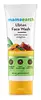
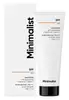
Mamaearth Ubtan Face Wash with Turmeric & Saffron for Tan Removal Versus Minimalist SPF 50 PA++++ Sunscreen
This hybrid sunscreen covers the full UV range and blocks ~98% of UVB at SPF 50.

What's inside
What's inside
 Key Ingredients
Benefits
Concerns
Ingredients Side-by-side
Water
Skin ConditioningStearic Acid
Cleansing



Sodium Cocoyl Glycinate
Cleansing
Glycerin
Humectant

Palmitic Acid
Emollient
Cocos Nucifera Oil
Masking



Juglans Regia Seed
Abrasive
Crocus Sativus Flower Extract
MaskingNiacinamide
Smoothing









Daucus Carota Sativa Seed Oil
Emollient
Tocopheryl Acetate
Antioxidant

Curcuma Longa Root Powder
Skin ConditioningGlycyrrhiza Glabra Root Extract
Bleaching
Citrus Aurantium Dulcis Peel Oil
Masking
Cananga Odorata Flower Oil
Masking

Pogostemon Cablin Leaf Oil
Masking
Water, Stearic Acid, Sodium Cocoyl Glycinate, Glycerin, Palmitic Acid, Cocos Nucifera Oil, Juglans Regia Seed, Crocus Sativus Flower Extract, Niacinamide, Daucus Carota Sativa Seed Oil, Tocopheryl Acetate, Curcuma Longa Root Powder, Glycyrrhiza Glabra Root Extract, Citrus Aurantium Dulcis Peel Oil, Cananga Odorata Flower Oil, Pogostemon Cablin Leaf Oil
Water
Skin ConditioningOctocrylene
UV Absorber

Butyl Methoxydibenzoylmethane
UV Absorber
Isododecane
EmollientNiacinamide
Smoothing
Caprylic/Capric Triglyceride
Masking
Arachidyl Alcohol
Emollient
Titanium Dioxide
Cosmetic Colorant
Propylene Glycol Dicaprylate/Dicaprate
EmollientDiisopropyl Sebacate
EmollientEthylhexyl Triazone
UV Absorber
Diisopropyl Adipate
EmollientC12-15 Alkyl Benzoate
AntimicrobialButylene Glycol
Humectant
Allantoin
Skin Conditioning
Panthenol
Skin Conditioning
Sodium Hyaluronate
Humectant
Linoleic Acid
Cleansing
Linolenic Acid
Cleansing
Behenyl Alcohol
Emollient
Arachidyl Glucoside
EmulsifyingPhenoxyethanol
Preservative
Glyceryl Stearate
Emollient
PEG-100 Stearate
Surfactant
Hydroxyethyl Acrylate/Sodium Acryloyldimethyl Taurate Copolymer
Emulsion StabilisingTocopheryl Acetate
Antioxidant
Acacia Senegal Gum
MaskingXanthan Gum
EmulsifyingEthylhexylglycerin
Skin ConditioningSilica
Abrasive
Trisodium Ethylenediamine Disuccinate
Water, Octocrylene, Butyl Methoxydibenzoylmethane, Isododecane, Niacinamide, Caprylic/Capric Triglyceride, Arachidyl Alcohol, Titanium Dioxide, Propylene Glycol Dicaprylate/Dicaprate, Diisopropyl Sebacate, Ethylhexyl Triazone, Diisopropyl Adipate, C12-15 Alkyl Benzoate, Butylene Glycol, Allantoin, Panthenol, Sodium Hyaluronate, Linoleic Acid, Linolenic Acid, Behenyl Alcohol, Arachidyl Glucoside, Phenoxyethanol, Glyceryl Stearate, PEG-100 Stearate, Hydroxyethyl Acrylate/Sodium Acryloyldimethyl Taurate Copolymer, Tocopheryl Acetate, Acacia Senegal Gum, Xanthan Gum, Ethylhexylglycerin, Silica, Trisodium Ethylenediamine Disuccinate
Reviews
Ingredients Explained
These ingredients are found in both products.
Ingredients higher up in an ingredient list are typically present in a larger amount.
Niacinamide is a multitasking form of vitamin B3 that strengthens the skin barrier, reduces pores and dark spots, regulates oil, and improves signs of aging.
And the best part? It's gentle and well-tolerated by most skin types, including sensitive and reactive skin.
You might have heard of "niacin flush", or the reddening of skin that causes itchiness. Niacinamide has not been found to cause this.
In very rare cases, some individuals may not be able to tolerate niacinamide at all or experience an allergic reaction to it.
If you are experiencing flaking, irritation, and dryness with this ingredient, be sure to double check all your products as this ingredient can be found in all categories of skincare.
When incorporating niacinamide into your routine, look out for concentration amounts. Typically, 5% niacinamide provides benefits such as fading dark spots. However, if you have sensitive skin, it is better to begin with a smaller concentration.
When you apply niacinamide to your skin, your body converts it into nicotinamide adenine dinucleotide (NAD). NAD is an essential coenzyme that is already found in your cells as "fuel" and powers countless biological processes.
In your skin, NAD helps repair cell damage, produce new healthy cells, support collagen production, strengthen the skin barrier, and fight environmental stressors (like UV and pollution).
Our natural NAD levels start to decline with age, leading to slower skin repair, visible aging, and a weaker skin barrier. By providing your skin niacinamide, you're recharging your skin's NAD levels. This leads to stronger, healthier, and younger looking skin.
Another name for vitamin B3 is nicotinamide. This vitamin is water-soluble and our bodies don't store it. We obtain Vitamin B3 from either food or skincare. Meat, fish, wheat, yeast, and leafy greens contain vitamin B3.
The type of niacinamide used in skincare is synthetically created.
Learn more about NiacinamideTocopheryl Acetate is a stable, shelf-friendly form of vitamin E.
Formulators love it because plain vitamin E oxidizes quickly once it hits air. This acetate version stays stable and resists going off, helping to extend a product's shelf life.
It's actually inactive on its own and works like a slow-release "storage" form; the enzymes in your skin called esterases gradually convert it into active vitamin E over time.
One in vivo study showed 5% of the acetate in the living layer of the epidermis converted to vitamin E after 5 days of application. This study also found the skin gained protection against UV damage even though the conversion was slow and small.
Once converted, vitamin E acts as a skin's main fat-soluble antioxidant that fights free radicals to protect skin from damage.
Topical vitamin E generally boosts the skin's photoprotection, and it reduced UV-damage in animal models.
This ingredient has some brightening potential but it's more of a prevention ingredient than spot-fader. Cell studies show it can slow down melanin production but it's worth noting that it's not the most powerful brightener out there.
Overall, it has a pretty solid safety profile and has been found to be non-irritating and non-comedogenic. Allergic reactions may happen but stay rare due to how widely the ingredient gets used.
The concentration will vary depending on the formula; industry data shows 0.1% in baby lotions, 3% in lipsticks, and 5% in foot powders. You can also find this ingredient at 100% in a pure vitamin E oil.
Most leave-on skincare keeps it at the lower end, often between 0.5-1%.
Learn more about Tocopheryl AcetateWater. It's the most common cosmetic ingredient of all. You'll usually see it at the top of ingredient lists, meaning that it makes up the largest part of the product.
So why is it so popular? Water most often acts as a solvent - this means that it helps dissolve other ingredients into the formulation.
You'll also recognize water as that liquid we all need to stay alive. If you see this, drink a glass of water. Remember to stay hydrated!
Learn more about Water

