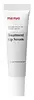
This barrier-repair lip moisturizer is formulated around Panthenol and Ceramide NP to strengthen the lip barrier and hydrate lips.
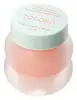
This hydrating lip mask is formulated around Olea Europaea Fruit Oil and Tocopheryl Acetate to hydrate lips.

What's inside
What's inside
 Key Ingredients
Benefits
Concerns
Ingredients Side-by-side
Polyisobutene
Hydrogenated Polyisobutene
EmollientBeeswax
Emulsion Stabilising




Microcrystalline Wax
Emulsion StabilisingPanthenol
Skin Conditioning




Ceramide NP
Skin Conditioning

Propolis Extract
Skin Conditioning

Honey Extract
Humectant
Simmondsia Chinensis Seed Oil
Emollient
Argania Spinosa Kernel Oil
Emollient

Macadamia Ternifolia Seed Oil
Emollient
Helianthus Annuus Seed Oil
Emollient
Vanilla Planifolia Fruit Extract
Skin Conditioning
Adansonia Digitata Seed Oil
Emollient
Mangifera Indica Seed Butter
Skin Conditioning
Methyl Hydrogenated Rosinate
Perfuming

Moringa Oleifera Seed Oil
Emollient
Triticum Vulgare Germ Oil
Emollient
Vanilla Planifolia Fruit Oil
Emollient
Mentha Spicata Herb Oil
Perfuming

Elaeis Guineensis Oil
Emollient
Tocopherol
Antioxidant


Polyisobutene, Hydrogenated Polyisobutene, Beeswax, Microcrystalline Wax, Panthenol, Ceramide NP, Propolis Extract, Honey Extract, Simmondsia Chinensis Seed Oil, Argania Spinosa Kernel Oil, Macadamia Ternifolia Seed Oil, Helianthus Annuus Seed Oil, Vanilla Planifolia Fruit Extract, Adansonia Digitata Seed Oil, Mangifera Indica Seed Butter, Methyl Hydrogenated Rosinate, Moringa Oleifera Seed Oil, Triticum Vulgare Germ Oil, Vanilla Planifolia Fruit Oil, Mentha Spicata Herb Oil, Elaeis Guineensis Oil, Tocopherol
Hydrogenated Polyisobutene
EmollientEthylene/Propylene/Styrene Copolymer
Butylene/Ethylene/Styrene Copolymer
Pentaerythrityl Tetra-Di-T-Butyl Hydroxyhydrocinnamate
Antioxidant
Phytosteryl/Isostearyl/Cetyl/Stearyl/Behenyl Dimer Dilinoleate
Skin Conditioning
Diisostearyl Malate
EmollientPolyglyceryl-2 Triisostearate
Emulsifying
Microcrystalline Wax
Emulsion StabilisingHydrogenated Poly(C6-14 Olefin)
EmollientOlea Europaea Fruit Oil
Masking
Bis-Behenyl/Isostearyl/Phytosteryl Dimer Dilinoleyl Dimer Dilinoleate
EmollientPolyethylene
Abrasive
Silica Dimethyl Silylate
EmollientSorbitan Sesquioleate
Emulsifying
Tocopheryl Acetate
Antioxidant
Eclipta Prostrata Extract
Skin Conditioning
Melia Azadirachta Leaf Extract
Skin ConditioningMoringa Oleifera Seed Oil
Emollient
Hippophae Rhamnoides Fruit Oil
Skin Protecting
Parfum
Masking
Dehydroacetic Acid
Preservative
Dimethicone
Emollient
Simmondsia Chinensis Seed Oil
Emollient
Punica Granatum Flower Extract
Skin Conditioning
Raspberry Seed Oil/Tocopheryl Succinate Aminopropanediol Esters
Skin Conditioning
Water
Skin ConditioningButylene Glycol
Humectant
1,2-Hexanediol
Skin Conditioning
Lactobionic Acid
Buffering


Hydrogenated Polyisobutene, Ethylene/Propylene/Styrene Copolymer, Butylene/Ethylene/Styrene Copolymer, Pentaerythrityl Tetra-Di-T-Butyl Hydroxyhydrocinnamate, Phytosteryl/Isostearyl/Cetyl/Stearyl/Behenyl Dimer Dilinoleate, Diisostearyl Malate, Polyglyceryl-2 Triisostearate, Microcrystalline Wax, Hydrogenated Poly(C6-14 Olefin), Olea Europaea Fruit Oil, Bis-Behenyl/Isostearyl/Phytosteryl Dimer Dilinoleyl Dimer Dilinoleate, Polyethylene, Silica Dimethyl Silylate, Sorbitan Sesquioleate, Tocopheryl Acetate, Eclipta Prostrata Extract, Melia Azadirachta Leaf Extract, Moringa Oleifera Seed Oil, Hippophae Rhamnoides Fruit Oil, Parfum, Dehydroacetic Acid, Dimethicone, Simmondsia Chinensis Seed Oil, Punica Granatum Flower Extract, Raspberry Seed Oil/Tocopheryl Succinate Aminopropanediol Esters, Water, Butylene Glycol, 1,2-Hexanediol, Lactobionic Acid
Reviews
Ingredients Explained
These ingredients are found in both products.
Ingredients higher up in an ingredient list are typically present in a larger amount.
Hydrogenated Polyisobutene is a synthetic polymer. Polymers are compounds with high molecular weight. Hydrogenated Polyisobutene is an emollient and texture enhancer.
In one study, Hydrogenated Polyisobutene showed better skin hydration levels than Caprylic/Capric Triglyceride. As an emollient, it helps keep your skin soft and hydrated by trapping moisture in.
Hydrogenated Polyisobutene is often used as a mineral oil replacement.
Learn more about Hydrogenated PolyisobuteneMicrocrystalline Wax is derived from petroleum through a de-oiling process, then highly refined and purified before use in cosmetics.
In skincare formulations, it is used to improve texture and create a smooth, even consistency. It also helps stabilize products by preventing ingredients from separating.
Moringa Oleifera Seed Oil is a lightweight oil from the seeds of the Moringa oleifera tree. In cosmetics, it's an emollient that forms a light film to slow water loss and soften skin.
Its fatty acid composition is dominated by oleic acid (70-78%), with smaller amounts of behenic, palmitic, and stearic acids (this profile is actually pretty similar to olive oil).
Notably, this ingredient is oxidatively stable for an oil and resists going rancid as fast as other oils.
A small, in vivo study on 32 participants found a cream with this ingredient increased skin hydration with no reported skin irritation. It also found the tocopherol content gave it some antioxidant activity as well.
Because this oil is so high in oleic acid, Malassezia can use it as a food source and this ingredient may not be fungal acne safe.
For everyone else, this ingredient is well-tolerated and nourishing with a good safety track record.
This ingredient shows up on a lot of "pore-clogging" lists but there's no real evidence behind that. It doesn't even have a comedogenic rating from an actual study; the numbers you'll find online come from blogs citing other blogs.
Ratings for other ingredients mostly come from a 1980s rabbit ear test. This test doesn't translate well to human skin or to real products because the ingredient sits at a much lower percentage.
Some people still find it breaks them out. So if that's you, definitely trust your skin.
Learn more about Moringa Oleifera Seed OilJojoba oil is one of the most well-studied plant-derived ingredients in cosmetics. It is an emollient with a special structure.
Because it is made up of 97-98% wax esters, it closely mirrors the linear monoesters found in human sebum. This makes it skin compatible, non-greasy, and lightweight.
Unlike other plant oils, jojoba wax doesn't easily penetrate skin. It mostly works in the uppermost layers as an emollient. This just means it forms a light barrier on the skin to help retain moisture.
Formulations with jojoba esters up to 90% reduced transepidermal water loss (TEWL) and increased barrier recovery by 81% (outperforming bisabolol at 47%).
Besides barrier support, the science also suggests jojoba to have anti-inflammatory effects and potential applications for skin infections, aging, and wound healing.
Fun fact: Indigenous cultures have used jojoba as a moisturizer and to help treat burns for centuries.
Fungal acne: The Malassezia yeast is known to metabolize fatty acids in the C11-24 range and jojoba's dominant fatty acid components fall into this range. This ingredient may not be fungal acne safe.
Learn more about Simmondsia Chinensis Seed Oil

