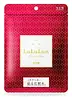
This hydrating sheet mask is formulated around Camellia Japonica Seed Oil and Squalene to hydrate skin.
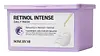
This anti-aging sheet mask is formulated around Niacinamide and Retinol to soften the look of wrinkles and refine skin texture.


What's inside
What's inside
 Key Ingredients
Benefits
Concerns
Ingredients Side-by-side
Water
Skin ConditioningGlycerin
Humectant


Butylene Glycol
Humectant
PEG/PPG/Polybutylene Glycol-8/5/3 Glycerin
HumectantCamellia Japonica Seed Oil
Emollient


C18-36 Acid Triglyceride
EmollientC12-18 Acid Triglyceride
EmollientJojoba Esters
Emollient
Squalene
Emollient
Phytosteryl Macadamiate
Skin Conditioning
Phytosterols
Skin Conditioning
Tocopherol
Antioxidant





Pyrus Cydonia Seed Extract
MaskingSaccharomyces/Rice Ferment Filtrate
Skin Conditioning
Propanediol
Solvent
Inositol
Humectant
Oryzanol
Skin ConditioningHydrogenated Lecithin
Emulsifying
Aphanothece Sacrum Polysaccharide
AbsorbentHoney Extract
Humectant
Polyglyceryl-10 Isostearate
Skin Conditioning
Xanthan Gum
EmulsifyingCitric Acid
Buffering
Sodium Citrate
BufferingPhenoxyethanol
Preservative
Methylparaben
Preservative


Water, Glycerin, Butylene Glycol, PEG/PPG/Polybutylene Glycol-8/5/3 Glycerin, Camellia Japonica Seed Oil, C18-36 Acid Triglyceride, C12-18 Acid Triglyceride, Jojoba Esters, Squalene, Phytosteryl Macadamiate, Phytosterols, Tocopherol, Pyrus Cydonia Seed Extract, Saccharomyces/Rice Ferment Filtrate, Propanediol, Inositol, Oryzanol, Hydrogenated Lecithin, Aphanothece Sacrum Polysaccharide, Honey Extract, Polyglyceryl-10 Isostearate, Xanthan Gum, Citric Acid, Sodium Citrate, Phenoxyethanol, Methylparaben
Water
Skin ConditioningDipropylene Glycol
HumectantGlycerin
Humectant
Niacinamide
Smoothing




Hydroxyacetophenone
Antioxidant
Olea Europaea Fruit Oil
Masking

Caprylyl Glycol
Emollient
Polyglyceryl-10 Laurate
Skin Conditioning
Ethylhexylglycerin
Skin ConditioningAdenosine
Skin Conditioning
1,2-Hexanediol
Skin Conditioning
Arginine
Masking
Xanthan Gum
EmulsifyingCarbomer
Emulsion StabilisingPolyglyceryl-3 Methylglucose Distearate
Emulsifying
Sodium Hyaluronate
Humectant
Glyceryl Stearate Se
Emulsifying
Methyl Glucose Sesquistearate
Emollient
Diethylhexyl Sodium Sulfosuccinate
CleansingCaprylic/Capric Triglyceride
Masking
Dipotassium Glycyrrhizate
Humectant
Bakuchiol
Antimicrobial
Butylene Glycol
Humectant
Octyldodecanol
Emollient
Polyglyceryl-4 Oleate
Emulsifying
Sucrose Palmitate
EmollientAnanas Sativus Fruit Extract
Skin ConditioningMaltodextrin
Absorbent
Hydrolyzed Vegetable Protein
Skin ConditioningHydrogenated Lecithin
Emulsifying
Solanum Melongena Fruit Extract
Skin ConditioningGlycine Soja Oil
Emollient
Retinol
Skin Conditioning

Retinal
Skin Conditioning
Hydrolyzed Hyaluronic Acid
Humectant
Hyaluronic Acid
Humectant
Sodium Hyaluronate Crosspolymer
Humectant
Hydroxypropyltrimonium Hyaluronate
Potassium Hyaluronate
Skin ConditioningHydrolyzed Sodium Hyaluronate
Skin Conditioning
Pentylene Glycol
Skin Conditioning
Sodium Acetylated Hyaluronate
Humectant
Disodium EDTA
ChelatingParfum
Masking
Hydroxycitronellal
Perfuming
Water, Dipropylene Glycol, Glycerin, Niacinamide, Hydroxyacetophenone, Olea Europaea Fruit Oil, Caprylyl Glycol, Polyglyceryl-10 Laurate, Ethylhexylglycerin, Adenosine, 1,2-Hexanediol, Arginine, Xanthan Gum, Carbomer, Polyglyceryl-3 Methylglucose Distearate, Sodium Hyaluronate, Glyceryl Stearate Se, Methyl Glucose Sesquistearate, Diethylhexyl Sodium Sulfosuccinate, Caprylic/Capric Triglyceride, Dipotassium Glycyrrhizate, Bakuchiol, Butylene Glycol, Octyldodecanol, Polyglyceryl-4 Oleate, Sucrose Palmitate, Ananas Sativus Fruit Extract, Maltodextrin, Hydrolyzed Vegetable Protein, Hydrogenated Lecithin, Solanum Melongena Fruit Extract, Glycine Soja Oil, Retinol, Retinal, Hydrolyzed Hyaluronic Acid, Hyaluronic Acid, Sodium Hyaluronate Crosspolymer, Hydroxypropyltrimonium Hyaluronate, Potassium Hyaluronate, Hydrolyzed Sodium Hyaluronate, Pentylene Glycol, Sodium Acetylated Hyaluronate, Disodium EDTA, Parfum, Hydroxycitronellal
Reviews
Ingredients Explained
These ingredients are found in both products.
Ingredients higher up in an ingredient list are typically present in a larger amount.
Butylene Glycol (or BG) is used within cosmetic products for a few different reasons:
Overall, Butylene Glycol is a safe and well-rounded ingredient that works well with other ingredients.
Though this ingredient works well with most skin types, some people with sensitive skin may experience a reaction such as allergic rashes, closed comedones, or itchiness.
Learn more about Butylene GlycolGlycerin (or glycerol) is a compound naturally found in your skin. It's a powerhouse humectant that pulls water into the stratum corneum.
Topically, glycerin does several things at once:
Your skin makes glycerin on its own (mostly from sebaceous oil breakdown) and shuttles it to your outermost layer of skin, or your epidermis, via aquaporin-3.
Aquaporin-3 is a transporter that is essential for normal skin hydration, elasticity, and repair. Interestingly, mice lacking in AQP3 have dry and less elastic skin that can be fully corrected with glycerin.
This ingredient is non-irritating, plays well with almost every ingredient, and works across all skin types. Typical use is anywhere between 3-10% but can go up to 79% in some leave-on products.
Just know very high concentrations (>40%) can feel tacky in low humidity.
Glycerin is the name for this ingredient in American English. British English uses Glycerol/Glycerine.
Learn more about GlycerinHydrogenated Lecithin is a more stable version of lecithin.
It's made by taking lecithin (a phospholipid commonly found in soybeans and egg yolks) and hydrogenating it. This just means the unsaturated fatty acids are turned into saturated ones so they don't go bad as easily.
This ingredient is an emollient, emulsifier, and penetration enhancer. As an emollient, it helps soften and hydrate skin by trapping moisture within. As an emulsifier, it prevents oil and water ingredients from separating.
Hydrogenated Lecithin can form tiny spherical structures made of phospholipid bilayers called liposomes. These liposomes are able to capture compounds inside their structure and deliver them through the skin barrier.
Because phospholipids are a natural component of our cell membranes, this ingredient is inherently compatible with skin.
A 2021 study found lecithin-based surfactants were less harsh and more tolerable comared to Sodium Lauryl Sulfate (SLS).
Learn more about Hydrogenated LecithinWater. It's the most common cosmetic ingredient of all. You'll usually see it at the top of ingredient lists, meaning that it makes up the largest part of the product.
So why is it so popular? Water most often acts as a solvent - this means that it helps dissolve other ingredients into the formulation.
You'll also recognize water as that liquid we all need to stay alive. If you see this, drink a glass of water. Remember to stay hydrated!
Learn more about WaterXanthan gum is used as a stabilizer and thickener within cosmetic products. It helps give products a sticky, thick feeling - preventing them from being too runny.
On the technical side of things, xanthan gum is a polysaccharide - a combination consisting of multiple sugar molecules bonded together.
Xanthan gum is a pretty common and great ingredient. It is a natural, non-toxic, non-irritating ingredient that is also commonly used in food products.
Learn more about Xanthan Gum

