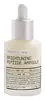
This brightening ampoule is formulated around Saccharomyces/Rice Ferment Filtrate and Niacinamide to brighten dull-looking skin and soften the look of wrinkles.
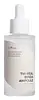
This barrier-repair ampoule is formulated around Bifida Ferment Lysate and Niacinamide to strengthen the skin barrier and soften the look of wrinkles.

What's inside
What's inside
 Key Ingredients
Benefits
Concerns
No concerns
Ingredients Side-by-side
Saccharomyces/Rice Ferment Filtrate
Skin Conditioning


Water
Skin ConditioningIsopropyl Myristate
Emollient



Glycerin
Humectant

Niacinamide
Smoothing









Methylpropanediol
Solvent1,2-Hexanediol
Skin Conditioning
Butylene Glycol
Humectant
Sodium Polyacryloyldimethyl Taurate
Emulsion StabilisingDipropylene Glycol
HumectantHydroxyacetophenone
Antioxidant
Hydrogenated Polydecene
EmollientAcrylates/C10-30 Alkyl Acrylate Crosspolymer
Emulsion StabilisingCaprylyl Glycol
Emollient
Glyceryl Glucoside
Humectant
Tromethamine
BufferingTrideceth-10
CleansingDisodium EDTA
ChelatingHeptasodium Hexacarboxymethyl Dipeptide-12
Skin Conditioning
Pentasodium Tetracarboxymethyl Acetylhydroxyprolyl Dipeptide-12
Skin Conditioning
Melia Azadirachta Flower Extract
Skin ConditioningOcimum Sanctum Leaf Extract
Skin ConditioningBetaine
Humectant
Melia Azadirachta Leaf Extract
Skin ConditioningPentasodium Tetracarboxymethyl Dipeptide-51
Skin Conditioning
Curcuma Longa Root Extract
Antioxidant
Dipeptide-1
Skin Conditioning
Corallina Officinalis Extract
Skin Conditioning
Dipotassium Glycyrrhizate
Humectant
Ananas Sativus Fruit Extract
Skin ConditioningPentylene Glycol
Skin Conditioning
Madecassoside
Antioxidant
Saccharomyces/Rice Ferment Filtrate, Water, Isopropyl Myristate, Glycerin, Niacinamide, Methylpropanediol, 1,2-Hexanediol, Butylene Glycol, Sodium Polyacryloyldimethyl Taurate, Dipropylene Glycol, Hydroxyacetophenone, Hydrogenated Polydecene, Acrylates/C10-30 Alkyl Acrylate Crosspolymer, Caprylyl Glycol, Glyceryl Glucoside, Tromethamine, Trideceth-10, Disodium EDTA, Heptasodium Hexacarboxymethyl Dipeptide-12, Pentasodium Tetracarboxymethyl Acetylhydroxyprolyl Dipeptide-12, Melia Azadirachta Flower Extract, Ocimum Sanctum Leaf Extract, Betaine, Melia Azadirachta Leaf Extract, Pentasodium Tetracarboxymethyl Dipeptide-51, Curcuma Longa Root Extract, Dipeptide-1, Corallina Officinalis Extract, Dipotassium Glycyrrhizate, Ananas Sativus Fruit Extract, Pentylene Glycol, Madecassoside
Bifida Ferment Lysate
Skin Conditioning
Dipropylene Glycol
HumectantNiacinamide
Smoothing
Glycerin
Humectant
Lactobacillus/Pumpkin Ferment Extract
Skin ConditioningLactobacillus/Soybean Ferment Extract
Skin ConditioningRice Ferment Filtrate
Skin Conditioning
Sodium Hyaluronate
Humectant
Hydrolyzed Collagen
Emollient
Salix Alba Bark Extract
Astringent
Origanum Vulgare Leaf Extract
Skin ConditioningCinnamomum Zeylanicum Bark Extract
Antimicrobial
Portulaca Oleracea Extract
Skin Conditioning
Chamaecyparis Obtusa Leaf Extract
Skin ConditioningBeta-Glucan
Skin Conditioning
Palmitoyl Oligopeptide
Cleansing
Copper Tripeptide-1
Skin Conditioning
Acetyl Hexapeptide-8
Humectant
Allantoin
Skin Conditioning
Hydroxyethylcellulose
Emulsion StabilisingPanthenol
Skin Conditioning
Carbomer
Emulsion StabilisingArginine
Masking
Butylene Glycol
Humectant
Scutellaria Baicalensis Root Extract
Astringent
Illicium Verum Fruit Extract
Perfuming
Adenosine
Skin Conditioning
1,2-Hexanediol
Skin Conditioning
Disodium EDTA
ChelatingBifida Ferment Lysate, Dipropylene Glycol, Niacinamide, Glycerin, Lactobacillus/Pumpkin Ferment Extract, Lactobacillus/Soybean Ferment Extract, Rice Ferment Filtrate, Sodium Hyaluronate, Hydrolyzed Collagen, Salix Alba Bark Extract, Origanum Vulgare Leaf Extract, Cinnamomum Zeylanicum Bark Extract, Portulaca Oleracea Extract, Chamaecyparis Obtusa Leaf Extract, Beta-Glucan, Palmitoyl Oligopeptide, Copper Tripeptide-1, Acetyl Hexapeptide-8, Allantoin, Hydroxyethylcellulose, Panthenol, Carbomer, Arginine, Butylene Glycol, Scutellaria Baicalensis Root Extract, Illicium Verum Fruit Extract, Adenosine, 1,2-Hexanediol, Disodium EDTA
Reviews
Ingredients Explained
These ingredients are found in both products.
Ingredients higher up in an ingredient list are typically present in a larger amount.
1,2-Hexanediol is a synthetic liquid and another multi-functional powerhouse.
It is a:
- Humectant, drawing moisture into the skin
- Emollient, helping to soften skin
- Solvent, dispersing and stabilizing formulas
- Preservative booster, enhancing the antimicrobial activity of other preservatives
Butylene Glycol (or BG) is used within cosmetic products for a few different reasons:
Overall, Butylene Glycol is a safe and well-rounded ingredient that works well with other ingredients.
Though this ingredient works well with most skin types, some people with sensitive skin may experience a reaction such as allergic rashes, closed comedones, or itchiness.
Learn more about Butylene GlycolDipropylene Glycol is a synthetically created humectant, stabilizer, and solvent.
This ingredient helps:
Dipropylene glycol is technically an alcohol, but it belongs to the glycol family (often considered part of the ‘good’ alcohols). This means it is hydrating and gentle on skin unlike drying solvent alcohols like denatured alcohol.
As a masking agent, Dipropylene Glycol can be used to cover the smell of other ingredients. However, it does not have a scent.
Studies show Dipropylene Glycol is considered safe to use in skincare.
Learn more about Dipropylene GlycolDisodium EDTA is a chelating agent. It grabs onto and deactivates metal ions that sneak into your products from water, packaging, or air.
This ingredient mainly works behind the scenes and helps with:
On top of that, this ingredient can counteract the effects of hard water by binding to the minerals in it.
One thing worth knowing is that Disodium EDTA has been shown to be a mild penetration enhancer. It can help other ingredients absorb into skin more effectively which can be a double-edged sword (great for actives, but can also make the active too strong if you have sensitive skin).
Clinical patch testing showed no significant skin irritation at typical use concentrations and minimal dermal absorption.
You'll most likely see this ingredient near the end of an ingredient list. It's typically found in concentrations less than 1%.
Learn more about Disodium EDTAGlycerin (or glycerol) is a compound naturally found in your skin. It's a powerhouse humectant that pulls water into the stratum corneum.
Topically, glycerin does several things at once:
Your skin makes glycerin on its own (mostly from sebaceous oil breakdown) and shuttles it to your outermost layer of skin, or your epidermis, via aquaporin-3.
Aquaporin-3 is a transporter that is essential for normal skin hydration, elasticity, and repair. Interestingly, mice lacking in AQP3 have dry and less elastic skin that can be fully corrected with glycerin.
This ingredient is non-irritating, plays well with almost every ingredient, and works across all skin types. Typical use is anywhere between 3-10% but can go up to 79% in some leave-on products.
Just know very high concentrations (>40%) can feel tacky in low humidity.
Glycerin is the name for this ingredient in American English. British English uses Glycerol/Glycerine.
Learn more about GlycerinNiacinamide is a multitasking form of vitamin B3 that strengthens the skin barrier, reduces pores and dark spots, regulates oil, and improves signs of aging.
And the best part? It's gentle and well-tolerated by most skin types, including sensitive and reactive skin.
You might have heard of "niacin flush", or the reddening of skin that causes itchiness. Niacinamide has not been found to cause this.
In very rare cases, some individuals may not be able to tolerate niacinamide at all or experience an allergic reaction to it.
If you are experiencing flaking, irritation, and dryness with this ingredient, be sure to double check all your products as this ingredient can be found in all categories of skincare.
When incorporating niacinamide into your routine, look out for concentration amounts. Typically, 5% niacinamide provides benefits such as fading dark spots. However, if you have sensitive skin, it is better to begin with a smaller concentration.
When you apply niacinamide to your skin, your body converts it into nicotinamide adenine dinucleotide (NAD). NAD is an essential coenzyme that is already found in your cells as "fuel" and powers countless biological processes.
In your skin, NAD helps repair cell damage, produce new healthy cells, support collagen production, strengthen the skin barrier, and fight environmental stressors (like UV and pollution).
Our natural NAD levels start to decline with age, leading to slower skin repair, visible aging, and a weaker skin barrier. By providing your skin niacinamide, you're recharging your skin's NAD levels. This leads to stronger, healthier, and younger looking skin.
Another name for vitamin B3 is nicotinamide. This vitamin is water-soluble and our bodies don't store it. We obtain Vitamin B3 from either food or skincare. Meat, fish, wheat, yeast, and leafy greens contain vitamin B3.
The type of niacinamide used in skincare is synthetically created.
Learn more about Niacinamide

