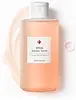
This barrier-repair toner is formulated around Bifida Ferment Lysate and Ceramide NP to strengthen the skin barrier and calm redness.
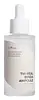
This barrier-repair ampoule is formulated around Bifida Ferment Lysate and Niacinamide to strengthen the skin barrier and soften the look of wrinkles.

What's inside
What's inside
 Key Ingredients
Benefits
Ingredients Side-by-side
Bifida Ferment Lysate 85%
Skin Conditioning



Butylene Glycol
Humectant
1,2-Hexanediol
Skin Conditioning
Glycerin
Humectant
Betaine
Humectant
Glyceryl Glucoside
Humectant
Water
Skin ConditioningTriethyl Citrate
Masking

Acrylates/C10-30 Alkyl Acrylate Crosspolymer
Emulsion StabilisingEclipta Prostrata Extract
Skin Conditioning
Tromethamine
BufferingEthylhexylglycerin
Skin ConditioningSodium Hyaluronate
Humectant

Disodium EDTA
ChelatingLactococcus Ferment Lysate
Skin Conditioning
Lactobacillus Ferment Lysate
Skin Conditioning
Propanediol
Solvent
Hydrogenated Lecithin
Emulsifying
Ceramide NP
Skin Conditioning
Saccharomyces/Barley Seed Ferment Filtrate
HumectantLactobacillus/Soybean Ferment Extract
Skin ConditioningLactobacillus/Punica Granatum Fruit Ferment Extract
Antioxidant

Lactobacillus/Pear Juice Ferment Filtrate
Skin ConditioningCopper Tripeptide-1
Skin Conditioning
Alanine/Histidine/Lysine Polypeptide Copper Hcl
Skin Conditioning
Acetyl Hexapeptide-8
Humectant
Bifida Ferment Lysate 85%, Butylene Glycol, 1,2-Hexanediol, Glycerin, Betaine, Glyceryl Glucoside, Water, Triethyl Citrate, Acrylates/C10-30 Alkyl Acrylate Crosspolymer, Eclipta Prostrata Extract, Tromethamine, Ethylhexylglycerin, Sodium Hyaluronate, Disodium EDTA, Lactococcus Ferment Lysate, Lactobacillus Ferment Lysate, Propanediol, Hydrogenated Lecithin, Ceramide NP, Saccharomyces/Barley Seed Ferment Filtrate, Lactobacillus/Soybean Ferment Extract, Lactobacillus/Punica Granatum Fruit Ferment Extract, Lactobacillus/Pear Juice Ferment Filtrate, Copper Tripeptide-1, Alanine/Histidine/Lysine Polypeptide Copper Hcl, Acetyl Hexapeptide-8
Bifida Ferment Lysate
Skin Conditioning
Dipropylene Glycol
HumectantNiacinamide
Smoothing





Glycerin
Humectant
Lactobacillus/Pumpkin Ferment Extract
Skin ConditioningLactobacillus/Soybean Ferment Extract
Skin ConditioningRice Ferment Filtrate
Skin Conditioning
Sodium Hyaluronate
Humectant
Hydrolyzed Collagen
Emollient
Salix Alba Bark Extract
Astringent
Origanum Vulgare Leaf Extract
Skin ConditioningCinnamomum Zeylanicum Bark Extract
Antimicrobial
Portulaca Oleracea Extract
Skin Conditioning
Chamaecyparis Obtusa Leaf Extract
Skin ConditioningBeta-Glucan
Skin Conditioning
Palmitoyl Oligopeptide
Cleansing
Copper Tripeptide-1
Skin Conditioning
Acetyl Hexapeptide-8
Humectant
Allantoin
Skin Conditioning
Hydroxyethylcellulose
Emulsion StabilisingPanthenol
Skin Conditioning
Carbomer
Emulsion StabilisingArginine
Masking
Butylene Glycol
Humectant
Scutellaria Baicalensis Root Extract
Astringent
Illicium Verum Fruit Extract
Perfuming
Adenosine
Skin Conditioning
1,2-Hexanediol
Skin Conditioning
Disodium EDTA
ChelatingBifida Ferment Lysate, Dipropylene Glycol, Niacinamide, Glycerin, Lactobacillus/Pumpkin Ferment Extract, Lactobacillus/Soybean Ferment Extract, Rice Ferment Filtrate, Sodium Hyaluronate, Hydrolyzed Collagen, Salix Alba Bark Extract, Origanum Vulgare Leaf Extract, Cinnamomum Zeylanicum Bark Extract, Portulaca Oleracea Extract, Chamaecyparis Obtusa Leaf Extract, Beta-Glucan, Palmitoyl Oligopeptide, Copper Tripeptide-1, Acetyl Hexapeptide-8, Allantoin, Hydroxyethylcellulose, Panthenol, Carbomer, Arginine, Butylene Glycol, Scutellaria Baicalensis Root Extract, Illicium Verum Fruit Extract, Adenosine, 1,2-Hexanediol, Disodium EDTA
Reviews
Ingredients Explained
These ingredients are found in both products.
Ingredients higher up in an ingredient list are typically present in a larger amount.
1,2-Hexanediol is a synthetic liquid and another multi-functional powerhouse.
It is a:
- Humectant, drawing moisture into the skin
- Emollient, helping to soften skin
- Solvent, dispersing and stabilizing formulas
- Preservative booster, enhancing the antimicrobial activity of other preservatives
Acetyl Hexapeptide-8 (also known as Argireline) is a synthetic hexapeptide that is often called a "topical Botox alternative".
It works by mimicking how Botox relaxes muscles; it interferes with the signaling process that tells your facial muscles to contract. This can help soften expression lines like forehead wrinkles or crow's feet over time.
The comparison to Botox does have limits because the molecule is water-loving and relatively large.
Acetyl Hexapeptide-8 has a hard time absorbing deeply enough through the skin's outer barrier to actually reach the muscles.
So whether it truly works the way Botox does at a biological level is still up for debate, but early clinical outcomes are fairly encouraging.
A 12 week human study of a multi-ingredient regimen containing this ingredient saw:
While some studies have observed improvements in wrinkle appearance, it is important to note that more consistent results are seen in multi-ingredient formulations (vs just Acetyl Hexapeptide-8 alone).
Some research studies also used higher concentrations (up to 10%) while this ingredient is usually found in concentrations up to 0.005% in leave-on formulations.
Learn more about Acetyl Hexapeptide-8Bifida Ferment Lysate is a postbiotic ingredient made by fermenting Bifidobacterium to extract a nutrient-rich mix of peptides, amino acids, vitamins, organic acids, and polysaccharides.
These components are basically the building blocks that your skin already uses to stay hydrated, repair itself, and maintain its barrier. That's why this ingredient helps your skin hold onto moisture and stay resilient against irritation.
One in-vitro study found that this ingredient tells your skin cells to produce more of the proteins (filaggrin, loricrin, and involucrin) for building a strong and healthy barrier. This study also found this ingredient to be a solid antioxidant that helped neutralize damage against UV and pollution.
A study with people from 2010 found that sensitive, reactive skin using a cream with 10% of this ingredient for a month became noticeably less dry, less reactive, and harder to irritate compared to the group using a plain cream.
In short, this ingredient is a well-tolerated ingredient that can help with barrier repair, antioxidant protection, and calming reactive skin.
This ingredient is generally considered fungal acne (Malassezia) safe; Bifidobacterium is a bacterium, not a yeast or fungus.
The fungal acne concern with fermented ingredients mainly applies to yeast-derived ferments like Saccharomyces and Galactomyces, because those are in the same kingdom as Malassezia and could theoretically contain residual compounds that feed it.
Bifida is a completely different organism, so on its own it doesn't provide a food source for the Malassezia yeast that causes fungal acne.
Learn more about Bifida Ferment LysateButylene Glycol (or BG) is used within cosmetic products for a few different reasons:
Overall, Butylene Glycol is a safe and well-rounded ingredient that works well with other ingredients.
Though this ingredient works well with most skin types, some people with sensitive skin may experience a reaction such as allergic rashes, closed comedones, or itchiness.
Learn more about Butylene GlycolCopper Tripeptide-1 (GHK-Cu) is a skin repairing ingredient said to boost collagen, improve firmness, and support skin regeneration.
It is a complex made up of a naturally occurring peptide (glycine-histidine-lysine) and copper, an essential trace element.
While studying wound healing, researchers noticed GHK-Cu stimulated hair follicle enlargement and growth by keeping hair in its active growth phase longer. This has made it a promising ingredient for hair regrowth treatments.
Some people have reported increased facial hair. While GHK-Cu can make your hair follicles bigger, it usually doesn’t turn soft, barely-visible facial hairs into thick, dark ones.
Anecdotal reports suggest that overusing copper peptides might lead to premature aging due to excess free copper or enzyme imbalances. This claim isn’t backed by large-scale studies.
Unfortunately, there are limited human studies for this ingredient. While early results are promising, many studies are either small, in-vitro, or not rigorously controlled.
For example, there is a 1998 study that explored the effects of copper tripeptide, vitamin C, tretinoin, and melatonin on skin repair and collagen synthesis.
After one month, increased procollagen production was seen in 7 out of 10 participants using copper tripeptide (more than those using vitamin C, melatonin, or tretinoin.
While the study was exploratory, it offers early evidence that copper tripeptide may support collagen production. Larger, well-designed trials are still needed to confirm its potential and understand individual responses.
Read more about other common types of peptides here:
Learn more about Copper Tripeptide-1Disodium EDTA is a chelating agent. It grabs onto and deactivates metal ions that sneak into your products from water, packaging, or air.
This ingredient mainly works behind the scenes and helps with:
On top of that, this ingredient can counteract the effects of hard water by binding to the minerals in it.
One thing worth knowing is that Disodium EDTA has been shown to be a mild penetration enhancer. It can help other ingredients absorb into skin more effectively which can be a double-edged sword (great for actives, but can also make the active too strong if you have sensitive skin).
Clinical patch testing showed no significant skin irritation at typical use concentrations and minimal dermal absorption.
You'll most likely see this ingredient near the end of an ingredient list. It's typically found in concentrations less than 1%.
Learn more about Disodium EDTAGlycerin (or glycerol) is a compound naturally found in your skin. It's a powerhouse humectant that pulls water into the stratum corneum.
Topically, glycerin does several things at once:
Your skin makes glycerin on its own (mostly from sebaceous oil breakdown) and shuttles it to your outermost layer of skin, or your epidermis, via aquaporin-3.
Aquaporin-3 is a transporter that is essential for normal skin hydration, elasticity, and repair. Interestingly, mice lacking in AQP3 have dry and less elastic skin that can be fully corrected with glycerin.
This ingredient is non-irritating, plays well with almost every ingredient, and works across all skin types. Typical use is anywhere between 3-10% but can go up to 79% in some leave-on products.
Just know very high concentrations (>40%) can feel tacky in low humidity.
Glycerin is the name for this ingredient in American English. British English uses Glycerol/Glycerine.
Learn more about GlycerinLactobacillus/Soybean Ferment Extract is the result of fermenting soybeans with the Lactobacillus bacteria. It mainly acts as a skin conditioning agent in a formula, and the interesting part is what fermentation does to the soy.
Fermenting soy:
The isoflavones are the workhorses behind the common claims; lab and animal studies show they mop up free radicals, help protect skin cells from UVB damage, and nudge fibroblasts to make more collagen while slowing the enzymes that break collagen down.
One controlled clinical study using an isoflavone cream reported softer wrinkles and better skin texture over time. A topical fermented soy extract also improved hydration and elasticity in an animal aging model.
The big caveat is that most of this evidence comes from soy isoflavones and related fermented soy extracts rather than this exact INCI. Some of the strongest data also comes from oral studies.
So it's best to think of this ingredient as a gentle, antioxidant-leaning conditioning agent rather than a proven wrinkle eraser.
At this time, there's no published concentration levels for this specific ferment but it usually shows up at modest levels in real products (~1% or less).
One last thing for people with soy allergies: it's always worth patch testing this ingredient despite the lowered allergy risk.
Learn more about Lactobacillus/Soybean Ferment ExtractSodium Hyaluronate is the salt form of hyaluronic acid. It is a long sugar chain that is naturally found in your skin, joints, and connective tissue that maintains hydration and elasticity.
In skincare, it works as a humectant. It pulls water from the environment and deeper layers of skin and binds it to the surface.
Interestingly, the size of the molecule affects its behavior:
Some clinical evidence links low molecular weight versions to improved wrinkle depth, elasticity, anti-inflammatory effects, and barrier repair.
Many serums use a blend of both weights so you can get surface hydration plus longer-lasting and deeper effects.
You'll typically see concentrations between 0.1-2% for this ingredient.
Learn more about Sodium Hyaluronate

