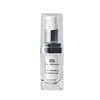
This anti-aging eye moisturizer is formulated around Galactomyces Ferment Filtrate and Acetyl Hexapeptide-8 to soften the look of wrinkles and hydrate skin.
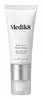
This anti-aging eye moisturizer is formulated around Palmitoyl Tetrapeptide-7 and Palmitoyl Tripeptide-1 to soften the look of wrinkles and refine skin texture.


What's inside
What's inside
 Key Ingredients
Benefits
Concerns
Ingredients Side-by-side
Galactomyces Ferment Filtrate
Humectant







Sodium Hyaluronate
Humectant
Oryza Sativa Bran Water
Masking
Zinc Hydrolyzed Hyaluronate
HumectantHyaluronic Acid
Humectant
Sodium Hyaluronate Crosspolymer
Humectant
Hydroxypropyltrimonium Hyaluronate
C12-13 Alkyl Glyceryl Hydrolyzed Hyaluronate
Acetyl Octapeptide-3
Humectant
Acetyl Hexapeptide-8
Humectant
Acetyl Tetrapeptide-5
Humectant
Palmitoyl Pentapeptide-4
Skin Conditioning
Palmitoyl Tetrapeptide-7
Skin Conditioning
Sodium Carboxymethyl Beta-Glucan
CleansingTheobroma Grandiflorum Seed Butter
Skin Conditioning
Palmitoyl Tripeptide-1
Skin Conditioning
Butyrospermum Parkii Butter
Skin Conditioning


Tocotrienols
Skin Conditioning
Bisabolol
Antioxidant
C12-15 Alkyl Benzoate
AntimicrobialPanax Ginseng Extract
Antioxidant
Oryza Sativa Bran Oil
Emollient
Dipalmitoyl Hydroxyproline
Skin Conditioning
Camellia Sinensis Leaf Extract
Antimicrobial


Sorbitan Laurate
Emulsifying
Lysolecithin
EmulsifyingChenopodium Quinoa Seed Extract
Skin Conditioning
Pfaffia Paniculata Root Extract
SoothingLilium Candidum Flower Extract
Skin ConditioningSuperoxide Dismutase
Antioxidant
Cyathea Medullaris Leaf Extract
Skin ConditioningCamellia Sinensis Extract
Antioxidant
Phospholipids
Skin Conditioning
Moringa Oil/Hydrogenated Moringa Oil Esters
Skin Conditioning
C18-36 Acid Triglyceride
EmollientPropanediol
Solvent
Camellia Oleifera Seed Oil
Skin Conditioning
Hydrolyzed Ulva Lactuca Extract
Skin ConditioningGlycosaminoglycans
EmollientC18-36 Acid Glycol Ester
EmollientPanthenol
Skin Conditioning
Allantoin
Skin Conditioning
Tocopherol
Antioxidant
Caprylyl Glycol
Emollient
Ethylhexylglycerin
Skin ConditioningUndecylenoyl Glycine
CleansingCapryloyl Glycine
CleansingGalactomyces Ferment Filtrate, Sodium Hyaluronate, Oryza Sativa Bran Water, Zinc Hydrolyzed Hyaluronate, Hyaluronic Acid, Sodium Hyaluronate Crosspolymer, Hydroxypropyltrimonium Hyaluronate, C12-13 Alkyl Glyceryl Hydrolyzed Hyaluronate, Acetyl Octapeptide-3, Acetyl Hexapeptide-8, Acetyl Tetrapeptide-5, Palmitoyl Pentapeptide-4, Palmitoyl Tetrapeptide-7, Sodium Carboxymethyl Beta-Glucan, Theobroma Grandiflorum Seed Butter, Palmitoyl Tripeptide-1, Butyrospermum Parkii Butter, Tocotrienols, Bisabolol, C12-15 Alkyl Benzoate, Panax Ginseng Extract, Oryza Sativa Bran Oil, Dipalmitoyl Hydroxyproline, Camellia Sinensis Leaf Extract, Sorbitan Laurate, Lysolecithin, Chenopodium Quinoa Seed Extract, Pfaffia Paniculata Root Extract, Lilium Candidum Flower Extract, Superoxide Dismutase, Cyathea Medullaris Leaf Extract, Camellia Sinensis Extract, Phospholipids, Moringa Oil/Hydrogenated Moringa Oil Esters, C18-36 Acid Triglyceride, Propanediol, Camellia Oleifera Seed Oil, Hydrolyzed Ulva Lactuca Extract, Glycosaminoglycans, C18-36 Acid Glycol Ester, Panthenol, Allantoin, Tocopherol, Caprylyl Glycol, Ethylhexylglycerin, Undecylenoyl Glycine, Capryloyl Glycine
Water
Skin ConditioningAlcohol Denat.
Antimicrobial


Glycerin
Humectant
C12-15 Alkyl Benzoate
AntimicrobialXanthan Gum
EmulsifyingTribehenin
Emollient
Hydrolyzed Rice Protein
Skin ConditioningBenzyl Alcohol
Perfuming


Butylene Glycol
Humectant
Steareth-20
CleansingHesperidin Methyl Chalcone
Antioxidant
Ceramide Ng
Skin Conditioning
PEG-10 Phytosterol
EmulsifyingDehydroacetic Acid
Preservative
Glycine Soja Protein
EmulsifyingSodium Benzoate
Masking
Superoxide Dismutase
Antioxidant
Phenoxyethanol
Preservative
Benzoic Acid
Masking
Sorbic Acid
Preservative
Dipeptide-2
Skin Conditioning
Palmitoyl Tetrapeptide-7
Skin Conditioning
Palmitoyl Tripeptide-1
Skin Conditioning
Palmitoyl Hexapeptide-12
Skin Conditioning
Chrysin
Skin ConditioningCarbomer
Emulsion StabilisingPotassium Sorbate
Preservative
Chlorhexidine Digluconate
Antimicrobial
Polysorbate 20
Emulsifying
N-Hydroxysuccinimide
Skin ConditioningSodium Dextran Sulfate
Gel FormingTocopherol
Antioxidant
Water, Alcohol Denat., Glycerin, C12-15 Alkyl Benzoate, Xanthan Gum, Tribehenin, Hydrolyzed Rice Protein, Benzyl Alcohol, Butylene Glycol, Steareth-20, Hesperidin Methyl Chalcone, Ceramide Ng, PEG-10 Phytosterol, Dehydroacetic Acid, Glycine Soja Protein, Sodium Benzoate, Superoxide Dismutase, Phenoxyethanol, Benzoic Acid, Sorbic Acid, Dipeptide-2, Palmitoyl Tetrapeptide-7, Palmitoyl Tripeptide-1, Palmitoyl Hexapeptide-12, Chrysin, Carbomer, Potassium Sorbate, Chlorhexidine Digluconate, Polysorbate 20, N-Hydroxysuccinimide, Sodium Dextran Sulfate, Tocopherol
Reviews
Alternatives
Ingredients Explained
These ingredients are found in both products.
Ingredients higher up in an ingredient list are typically present in a larger amount.
C12-15 Alkyl Benzoate is a lightweight emollient made by combinig benzoic acid with fatty alcohols that are 12-15 carbons long.
In cosmetics, it plays several roles:
The Cosmetic Review Expert Panel has concluded the alkyl benzoate group to be safe as used in cosmetics; it wasn't found to be a skin irritant and unlikely to be absorbed due to its low water solubility.
This report recorded almost 1000 reported uses with concentrations up to 59% in leave-on products but your cosmetics will typically use 0.5-15% depending on the product.
It's often called a "SPF booster": this is because it keeps UV filters properly dissolved and evenly distributed to support a sunscreen's performance. It doesn't actually raise SPF on its own.
Overall, this ingredient is well tolerated.
This ingredient is fungal acne safe because it is an ester of benzoic acid.
Think of this ingredient as two parts stuck together: an oily part and an acid part. Malassezia only gets a meal when it can snip off a fatty acid to eat. With C12-15 Alkyl Benzoate, the acid part is benzoic acid, which isn't a fatty acid and which the yeast can't use as food.
Benzoic acid is actually used as a preservative to stop yeast from growing.
The oily part is a blend of C12-15 fatty alcohols but fatty alcohols in this size range can support only a little Malassezia growth (mostly for one species of Malassezia as well).
In the ingredient, those alcohols stay locked inside the molecule. The yeast can only reach them by snipping the benzoate bond, and that type of bond is harder for it to cut than a normal fatty bond.
So not much gets released. And whatever does get snipped comes packaged with benzoic acid, which discourages yeast growth.
Learn more about C12-15 Alkyl BenzoatePalmitoyl Tetrapeptide-7 (formerly Palmitoyl Tetrapeptide-3) is a synthetic peptide. Its main job is to fight what researchers call "inflammaging".
"Inflammaging" is the slow, low-grade chronic inflammation that quietly breaks down collagen as we age.
This ingredient calms down a specific inflammation signal in your skin cells (called IL-6). When left unchecked, this signal triggers enzymes that break down collagen and elastin.
Clinical testing showed statistically significant improvements in:
Studies also found the more of this ingredient used, the more your skin produces Collagen I, fibronectin, and hyaluronic acid.
You'll likely see this ingredient paired with Palmitoyl Tripeptide-1 in the well-known Matrixyl 3000 complex for enhanced anti-aging effects.
A 3% concentration applied twice daily for two months showed meaningful skin rejuvenation results in clinical panels.
Fungal acne note:
Usually a palmitic acid component can feed Malassezia in unbound form, but here is is covalently bonded to the peptide. This means it is very difficult for Malassezia to access, and therefore very unlikely to cause fungal acne.
Palmitoyl Tripeptide-1 (aka Pal-GHK) is a synthetic signal peptide made of three amino acids attached to palmitic acid.
That fatty acid attachment is the key: it boosts the peptide's ability to penetrate the skin barrier. This puts it closer to the dermal cells where it can actually make a difference.
Once there, it acts as a matrikine, a signaling peptide that prompts fibroblasts to produce more collagen, fibronectin, and hyaluronic acid.
In vitro studies show it can boost collagen production in skin cells even when UV-damaged skin samples were treated with it at a tiny concentration (it almost fully restored dermal collagen at 5ppm). It achieved this at 100x lower concentration than retinoic acid, which needed 500 ppm to do the same thing.
Human clinical data is promising, but modest:
A study of 23 female volunteers found a small but statistically significant increase (~4%) in skin thickness after treatment at 4 ppm.
A separate small trial of 15 women showed statistically significant reductions in wrinkle length, depth, and skin roughness after applying it twice daily for four weeks.
You'll likely see Pal-GHK paired with Palmitoyl Tetrapeptide-7 as part of the Matrixyl 3000 complex.
Fungal acne note:
Usually a palmitic acid component can feed Malassezia in unbound form, but here is is covalently bonded to the peptide. This means it is very difficult for Malassezia to access, and therefore very unlikely to cause fungal acne.
Superoxide Dismutase is found in all living cells. This ingredient is AKA as 'SOD'.
SOD is a strong antioxidant. It protects living cells against oxidative damage by breaking down radical molecules into regular oxygen and hydrogen peroxide.
Antioxidants help fight free-radical molecules that may damage your skin's DNA. This may help with the signs of aging. Due to its antioxidant property, it is used to help treat chronic inflammation.
In cosmetics, SOD is usually obtained from marine phytoplankton, bovine liver, horseradish, cantaloupe, and certain bacteria.
The three major families of SOD include: Copper/Zinc, Iron/Manganese, and Nickel.
When eating SOD-rich foods, our bodies break it down into amino acids before absorption. Foods that contain SOD include: melons, citrus, spinach, broccoli, kale, almonds, sunflower seeds, and blue-green algae.
Learn more about Superoxide DismutaseTocopherol is a fat-soluble antioxidant known as Vitamin E.
You'll find this ingredient in the vast majority of skincare (for good reason). It works to neutralize free radicals, or unstable molecules generated by UV exposure, pollution, and other environmental stressors, before they can cause oxidative damage to your skin cells.
Topically applied tocopherol has been shown to protect against UV damage by ramping up the skin's own natural defense enzymes.
It also acts as a skin conditioning agent; some studies show that regular topical use can improve the skin's water-binding capacity over 2-4 weeks.
This ingredient is especially loved for being a team player. When combined with Vitamin C, the photoprotective effect of both ingredients roughly doubles and the combo also helps reduce UV-induced DNA damage.
This ingredient has some brightening potential but it's more of a prevention ingredient than spot-fader. Cell studies show it can slow down melanin production but it's worth noting that it's not the most powerful brightener out there.
In formulations, it also serves as a stabilizer that helps protect other oxidation-prone ingredients from degrading.
Concentrations usually range from 0.1-1% in most leave-on products.
Learn more about Tocopherol

